
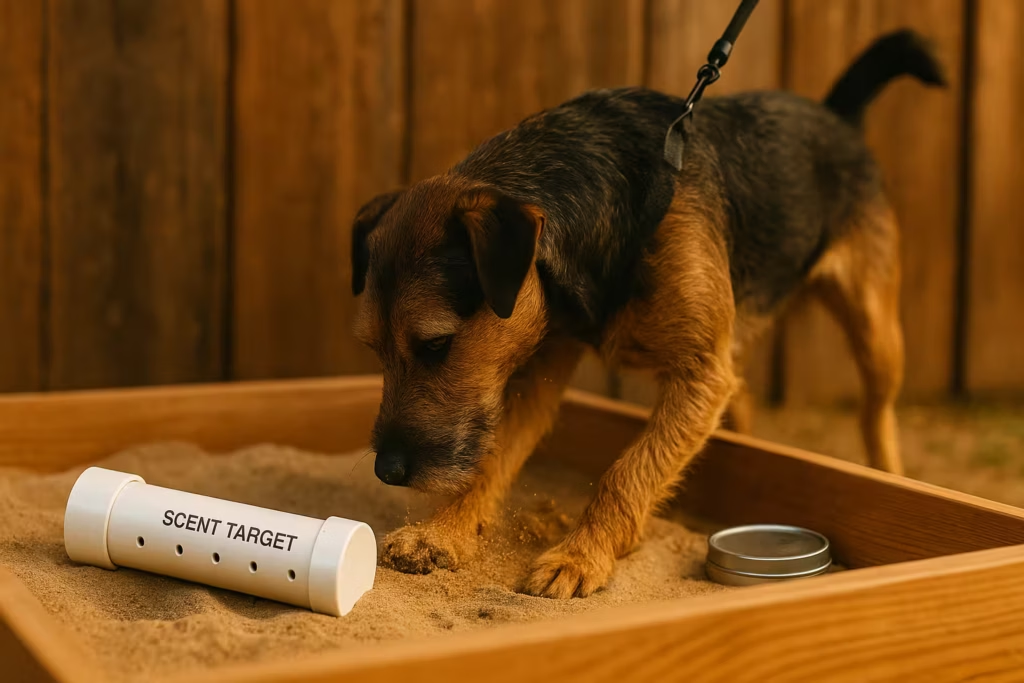
Is your dog a furry tornado of energy? Do they love to dig, sniff, and solve problems? If you’re nodding your head, you’re in for a treat. A dig box with hidden scent targets is more than just a sanctioned hole in the ground; it’s a powerful tool for mental stimulation, confidence-building, and channeling natural canine behaviors in a positive way. This incredible canine enrichment activity taps into your dog’s most powerful sense—their nose—and provides an outlet for physical and mental energy that can help curb unwanted behaviors.
For many dogs, the instinct to dig is as natural as breathing. Instead of fighting this urge, we can redirect it. By providing a designated digging area, we give them a “yes” instead of a constant “no.” This simple act of redirecting instinct can be a game-changer, especially for pups that struggle with anxiety or boredom. It’s a fantastic way to build a foundation of trust and communication, which is the cornerstone of all good training. This kind of canine enrichment activity is simple to set up but profound in its benefits.
What is a Dig Box and Why Does Your Dog Need One?
Canine Scent Power: A Comparison
Comparing hypothetical success rates based on olfactory receptors.
This graph shows how a dog’s sense of smell works on a practical level. The bar height represents success in finding a scent, a key part of canine nose work training success. The data is modeled on the number of olfactory receptors each breed has. Using a dig box is one of many enrichment activities for high-energy dogs that uses this natural ability for mental stimulation. Notice how a small increase in difficulty dramatically impacts human success compared to any dog, highlighting why scent detection training for beginners is so rewarding for our canine companions.
At its core, a dig box is simply a contained area filled with a dog-safe substrate that your pup is allowed to dig in. But when we elevate it by adding scent work, it transforms into a brain game of epic proportions. Scent work, or “nose work,” is a sport that mimics professional detection dog tasks. By creating a dig box with hidden scent targets, you’re offering your dog a job that is deeply fulfilling.
This type of canine enrichment activity has numerous benefits:
- Mental Stimulation: Searching for a specific scent requires intense focus and problem-solving skills, which can tire a dog out more effectively than a long walk.
- Builds Confidence: Successfully finding a target is a huge confidence booster. This is especially valuable for timid dogs; learning how to socialize a shy puppy with strangers can be supported by confidence-building games like this one. A dog who feels successful is less likely to be a puppy scared of everything.
- Reduces Problem Behaviors: A mentally satisfied dog is less likely to engage in destructive chewing, excessive barking, or digging up your prize-winning roses. It provides a healthy outlet for pent-up energy.
- Strengthens Your Bond: Working together on this fun activity builds teamwork and deepens the connection you share with your dog. It’s a fantastic expression of positive reinforcement puppy training in action.
Creating Your Own DIY Dig Box
Why Your Dog Needs Scent Work
Hover over the cards to discover the benefits.
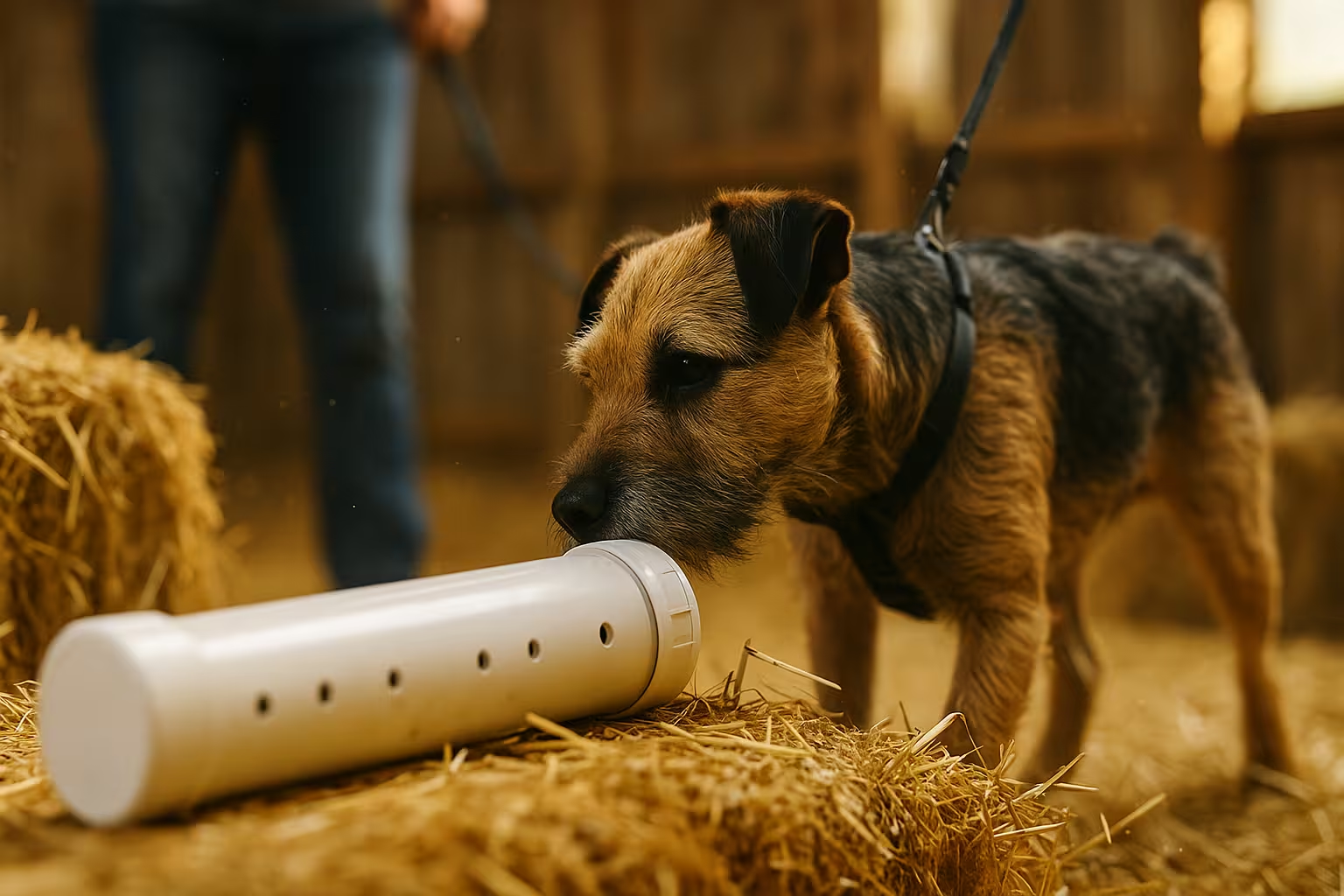
Cognitive Enrichment
A Puzzle for the Nose
A dig box with hidden scents is a form of canine cognitive enrichment that challenges your dog’s mind. Solving the puzzle of finding the target provides powerful mental stimulation for dogs and helps prevent boredom.
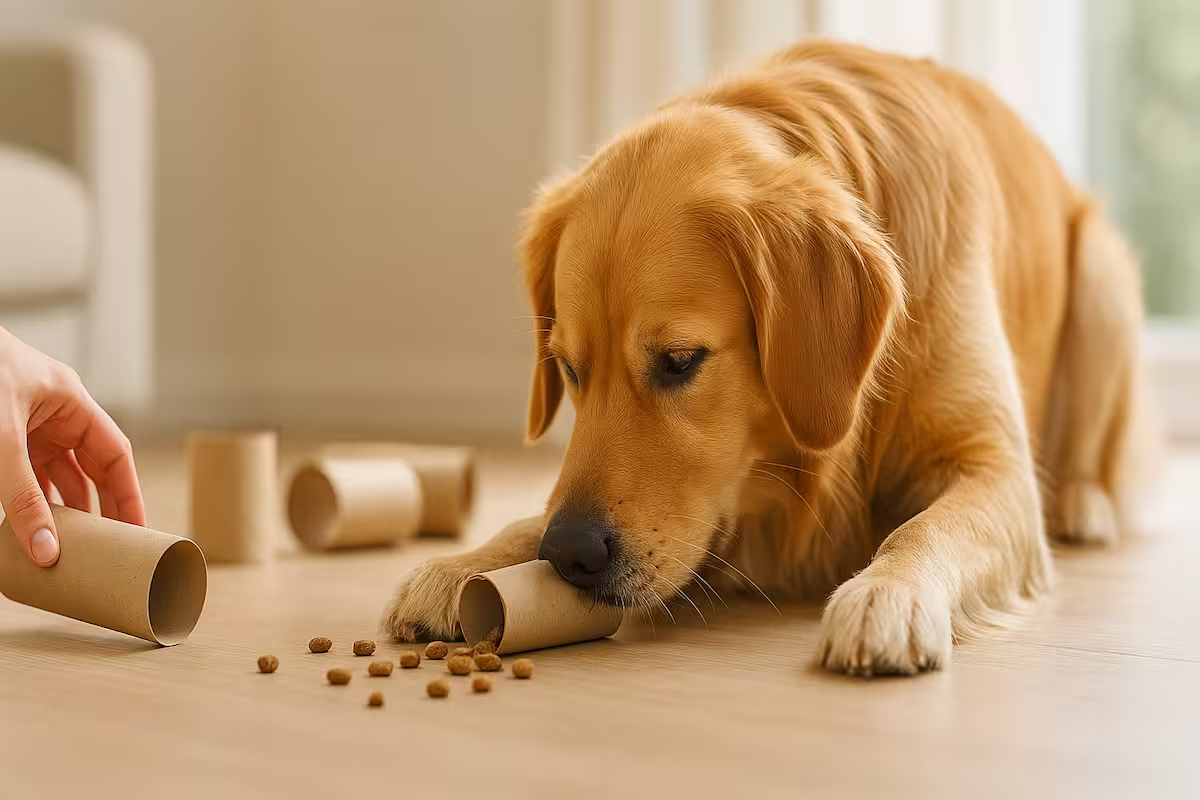
Builds Confidence
The Joy of the Find
Successfully finding a scent target gives a dog a specific job and a sense of accomplishment. This is especially beneficial for reducing canine anxiety, as it provides a focused, rewarding task that builds self-assurance.
You don’t need to be a master craftsperson to build a fantastic dig box with hidden scent targets. The goal is function and safety. Building the perfect setup for this canine enrichment activity is straightforward.
1. Choose a Container:
- A hard plastic kiddie pool is a popular, inexpensive, and durable option.
- A wooden frame or raised garden bed can work beautifully for a more permanent outdoor fixture. Ensure the wood is untreated or sealed with a pet-safe product.
- A large storage container can serve as an indoor dig box with hidden scent targets for smaller dogs or for use during inclement weather.
2. Select a Substrate: The filling is the most important part. It needs to be safe for your dog to dig in and interact with.
- Play Sand: The most common choice. It’s soft on paws and holds scent well. Be sure to buy children’s play sand, as industrial sand can contain harmful silica dust.
- Soil Mixture: A mix of organic topsoil (free from pesticides and fertilizers) and sand can mimic a more natural digging experience.
- Ball Pit Balls: For a mess-free indoor option, plastic ball pit balls are a fantastic alternative. They won’t hold scent as well as sand, so you’ll need to be more creative with your hides.
When you first introduce the box, let your dog explore it freely. Toss a few high-value treats in on the surface to encourage them to step inside. Keep it positive and low-pressure.
Introducing Scent Work: The Ultimate Canine Enrichment Activity
The Scale of Scent
An olfactory comparison from parts per million to parts per trillion.
Now for the fun part: adding the scent! The goal is to teach your dog to search for a specific target odor and ignore all other smells. This is where a simple dig box becomes a true canine enrichment activity.
Choosing Your Scent Target
For beginners, it's best to start with something delicious and motivating.
- High-Value Treats: Small, smelly treats like dried liver or cheese work wonders.
- Official Scent Work Odors: If you get serious, you can purchase kits with birch, anise, and clove oils, the standard scents used in nose work competitions.
Step 1: Charging the Target First, you need to teach your dog that the target scent predicts a reward. Take a small, clean tin with holes in the lid (an old mint tin works great) and place a few cotton swabs inside. Add a drop of your chosen scent oil (if using) or rub a smelly treat on them.
Hold the tin out. The moment your dog’s nose touches it, mark the behavior with a "Yes!" and give them a treat right at the source. Repeat this several times until your dog is enthusiastically bopping the tin with their nose. This process builds a powerful positive association.
Step 2: The First Hide Once your dog understands the tin means treats, it’s time for the first "hide."
- With your dog out of sight, place the scent tin just under the surface of your dig box substrate.
- Bring your dog to the area and give them a search cue, like "Find it!"
- Let them use their nose. Stay quiet and let them work. Their nose knows what to do!
- The instant they locate the tin (by pawing, nudging, or digging it up), praise them lavishly and give them a jackpot of treats right at the source.
This canine enrichment activity should be short and fun. A few successful reps are far better than one long, frustrating one. As your dog gets better, you can bury the dig box with hidden scent targets deeper. This process teaches focus and problem-solving, which are skills that transfer to other areas of training, such as mastering loose-leash walking training or teaching your puppy to 'stay'.
Expanding the Game and Troubleshooting
As your dog becomes a pro at the dig box with hidden scent targets, you can make it more challenging. Hide the tin deeper, use less-obvious scents, or even introduce multiple tins with only one containing the target odor. When they find the correct one, it's crucial they know what to do next. You may need to teach your dog the 'drop it' command so they can release the scent container for their reward.
This kind of focused play is also excellent for households with children, as it provides a structured way for everyone to interact safely. It’s one of many great ways to teach a puppy to be gentle with kids. If your dog gets overexcited and starts nipping at the box or your hands, it’s a good time to revisit foundation skills to stop aggressive puppy biting.
A dig box with hidden scent targets is more than just a game; it's a window into your dog's amazing olfactory world. This powerful canine enrichment activity provides the physical and mental exercise that creates a happy, balanced, and well-behaved companion. It's a wonderful addition to a structured routine that might also include teaching skills like the Place command. Give this dig box with hidden scent targets a try and watch your dog’s confidence and joy blossom. For more ideas on enriching your dog's life, check out our full guide to canine enrichment.
The Mind Behind the Sniff
Why this activity is more than just a game.
Activating the Seeking System
Scent work taps into a primal canine instinct to search and explore. This "seeking" behavior releases dopamine, making the activity itself feel highly rewarding, independent of finding a treat.
Canine Cognitive Enrichment
Just like puzzles for humans, nose work provides crucial mental stimulation for dogs. This cognitive challenge helps prevent boredom, which can lead to destructive behaviors.
Reducing Canine Anxiety
The intense focus required for scent detection can have a calming effect. It gives an anxious dog a specific job to do, helping to build their confidence and reduce overall stress levels.
Natural Foraging Behavior
This activity mimics how a dog's wild ancestors would find food. Allowing them to engage in this natural foraging behavior is deeply satisfying and contributes to a well-rounded, happy state of mind.

Christopher Quinn adopted his first dog, Loki, a spirited Border Collie/Jack Russell mix, after exiting Army service in the summer of 2012. That experience sparked a lifelong passion for canine behavior and positive reinforcement training.
He studied Principles of Dog Training & Behavior at Penn Foster and has since worked with hundreds of dogs from all backgrounds. Over the past two years, Christopher has fostered more than 30 rescue dogs, giving each one a chance at a better life.
Today, he continues to write, teach, and share insights on humane dog training, blending hands-on experience with a decade of dedicated study.