
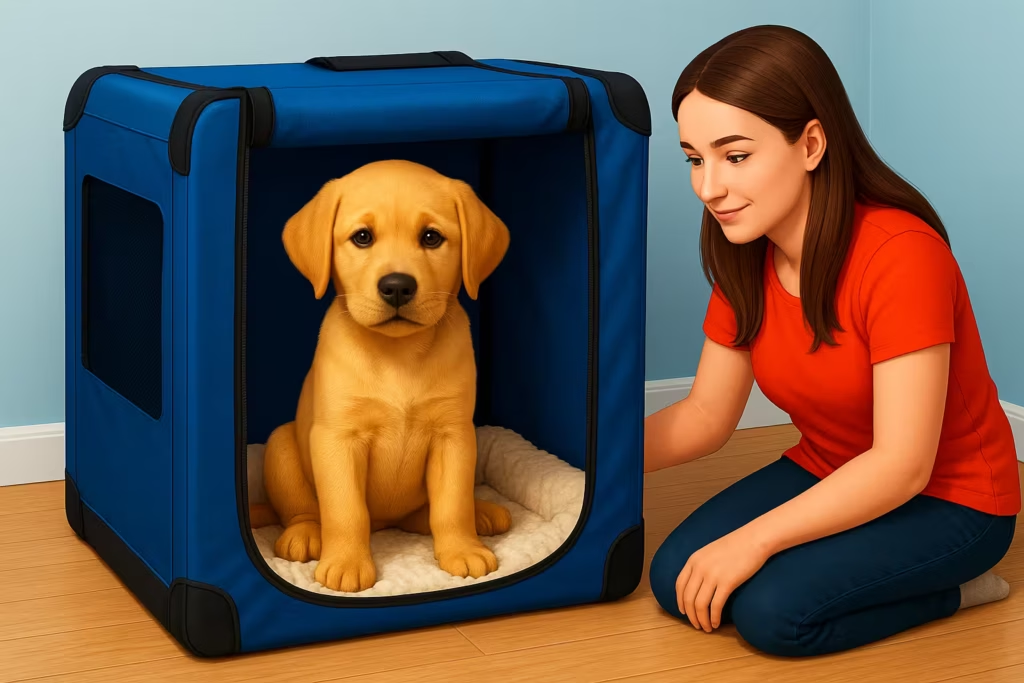
1. Choose a crate where the puppy can stand, turn, and lie down—no larger.
Crate training a puppy at night starts with choosing the right crate size. Your puppy should be able to stand, turn around, and lie down comfortably, but not have excess space. A crate that’s too big can delay potty training by encouraging accidents in one corner and sleeping in another.
An oversized crate can also make your puppy feel anxious or exposed, according to ASPCA crate training experts. Dogs instinctively seek den-like spaces, and too much room can undermine that sense of safety. A properly sized crate gives your puppy the security they need to relax and settle.
Use a divider if you’re planning for future growth. This lets you adjust the space as your puppy matures while maintaining proper sizing during critical training stages. A secure, cozy crate supports a calm and consistent experience day and night.
2. Introduce the crate by tossing in a treat or toy; let the puppy enter voluntarily.
To start crate training a puppy at night and during the day, the first impression matters. Let your puppy explore the crate on their own by tossing in a toy or treat. This makes the crate feel like a place of comfort, not confinement.
Voluntary entry helps your puppy build trust in their crate environment. When they enter on their own, it creates a positive association, which is key to consistent crate usage during naps, bedtime, and daily routines. Calm praise reinforces their bravery.
Never force your puppy into the crate. Let them explore freely so the crate becomes a familiar, low-stress space. This builds long-term acceptance for both daytime and nighttime use.
🛰️ Puppy Crate Training Mission Console
- Setup: Make the crate a happy place with treats and meals. Ensure it’s the right size with good airflow. Remove collars when unsupervised.
- Start Small: Keep initial sessions very short (1-5 minutes). Always end on a calm, quiet note. Use a consistent release word.
- Rhythm: A great routine is Potty → Crate → Nap. A brief, calm activity before crating can help your puppy settle.
- Progress: After 3 calm wins in a row, try increasing the duration by 10-20%. If whining occurs, significantly shorten the next session.
- Departures & Night: Practice with departure cues (keys, coat) during short, calm sessions before trying longer, out-of-sight absences.
3. Use a command like “crate” or “kennel” every time the puppy enters.
Consistency is key when crate training a puppy. Use a verbal cue like “crate” or “kennel” every time your puppy enters. This creates a clear link between the word and the action.
Your tone and repetition help create structure. Calmly giving the same cue builds confidence and helps your puppy understand what you expect. Over time, they’ll respond naturally to the command.
Only use the crate cue during positive interactions. Avoid using it after misbehavior or during punishment. Keeping the command associated with safety supports crate comfort both day and night.
4. Feed meals inside the crate with the door open for positive association.
Feeding your puppy in the crate helps normalize being inside it, similar to kennel training techniques used for overnight comfort. During crate training a puppy at night and during the day, meals become moments of positive reinforcement. Place the bowl inside and leave the door open to keep things relaxed.
Mealtime builds strong emotional connections. Your puppy will learn that the crate is a source of reward and routine. That familiarity is especially helpful for naptime and overnight crating.
Avoid shutting the door too soon during meals. Let your puppy associate the crate with positive, pressure-free moments. This helps establish crate comfort before nighttime crating becomes a regular part of their sleep schedule.
5. Close the door briefly after meals, starting with 1–2 minutes.
Crate Training Your Puppy
Mastering the first closed-door sessions. Tap a card to flip it!
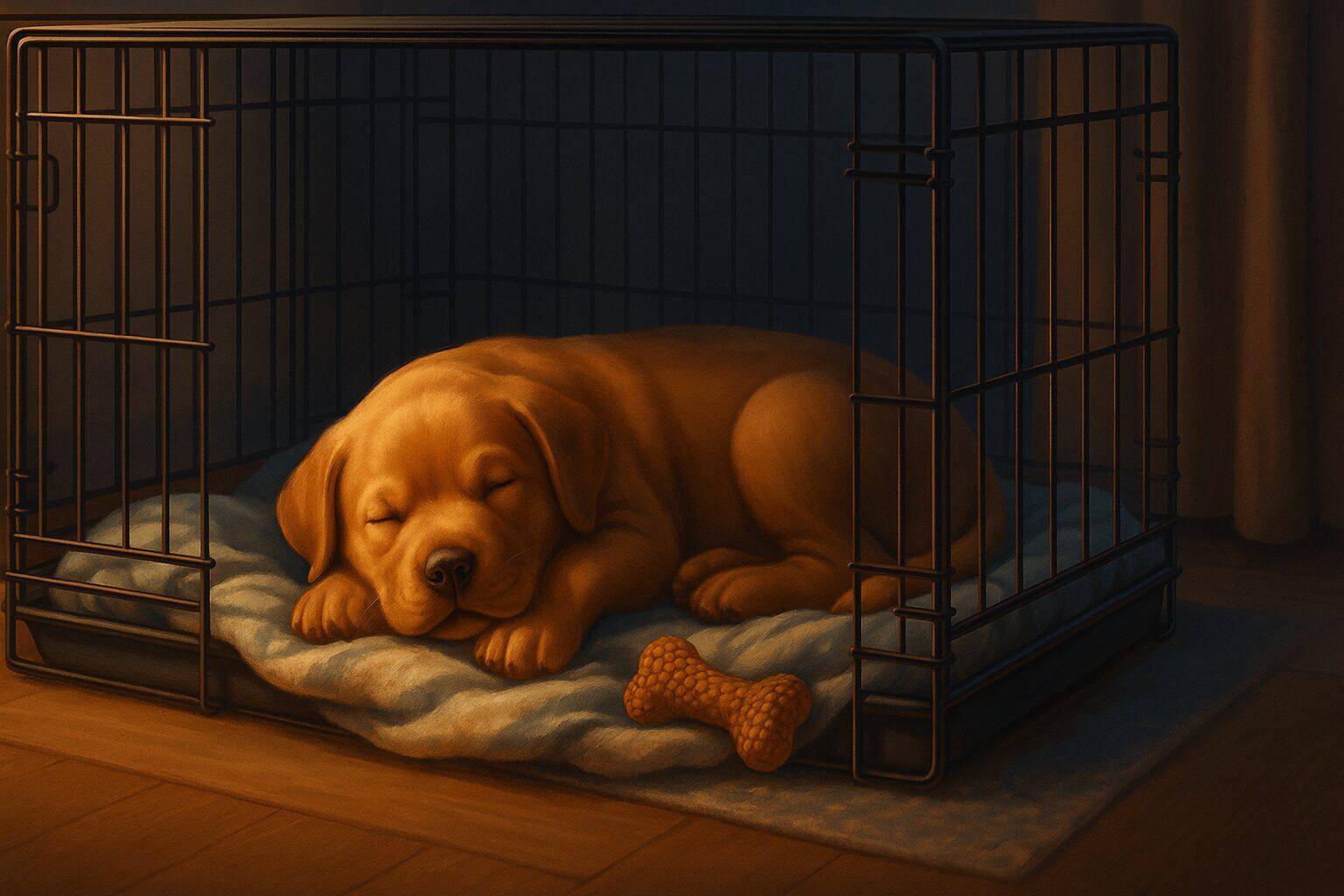
1. Introduce the Door
Start Small
Once your puppy is comfortable eating in the crate, begin gently introducing closed-door time. For effective crate training, close the door for just 1–2 minutes after meals.
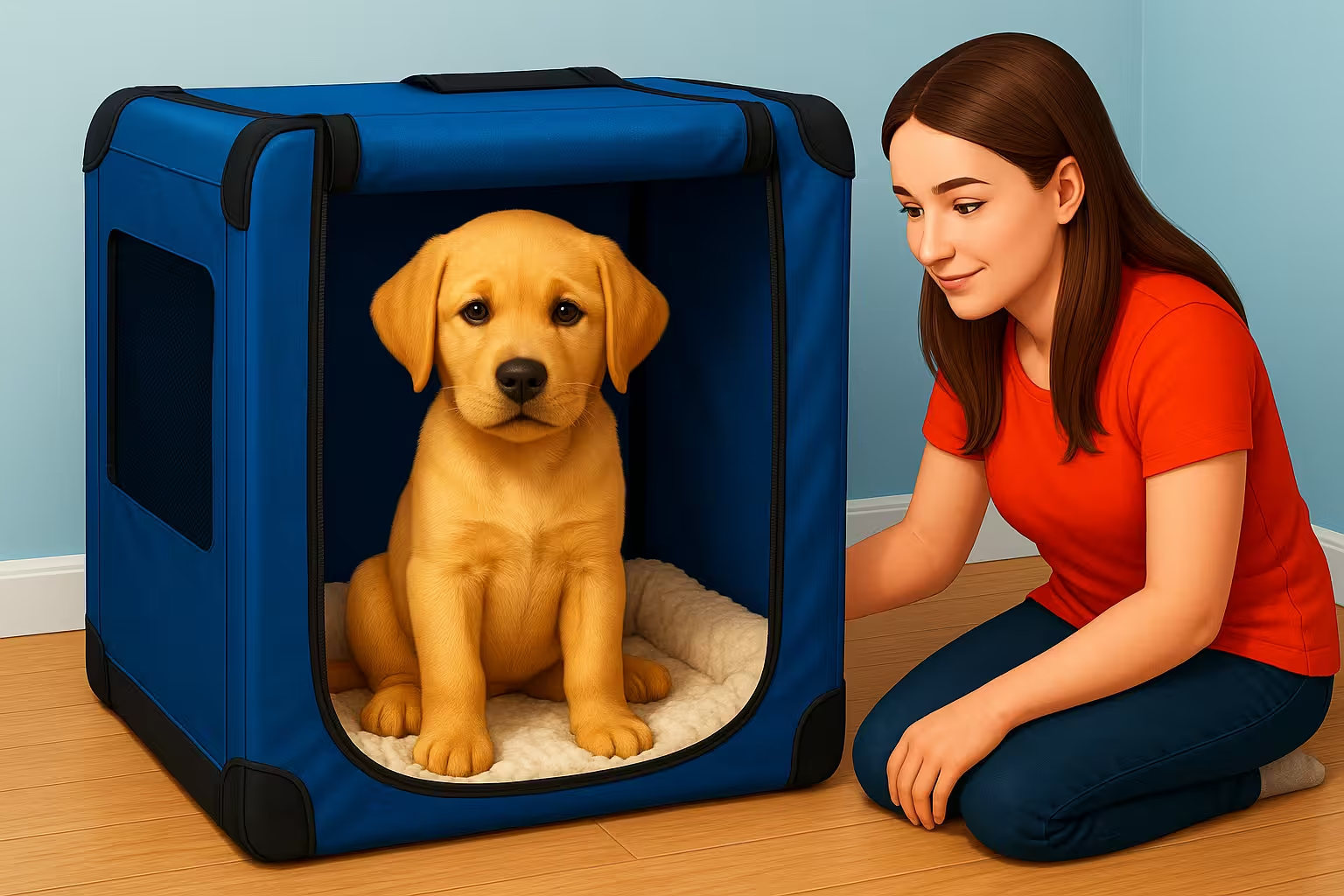
2. Short & Sweet Sessions
Build Trust
Keep these first sessions short and uneventful. Your puppy is likely calm after eating, making this the perfect opportunity to build trust with the crate. Stay nearby to offer reassurance.
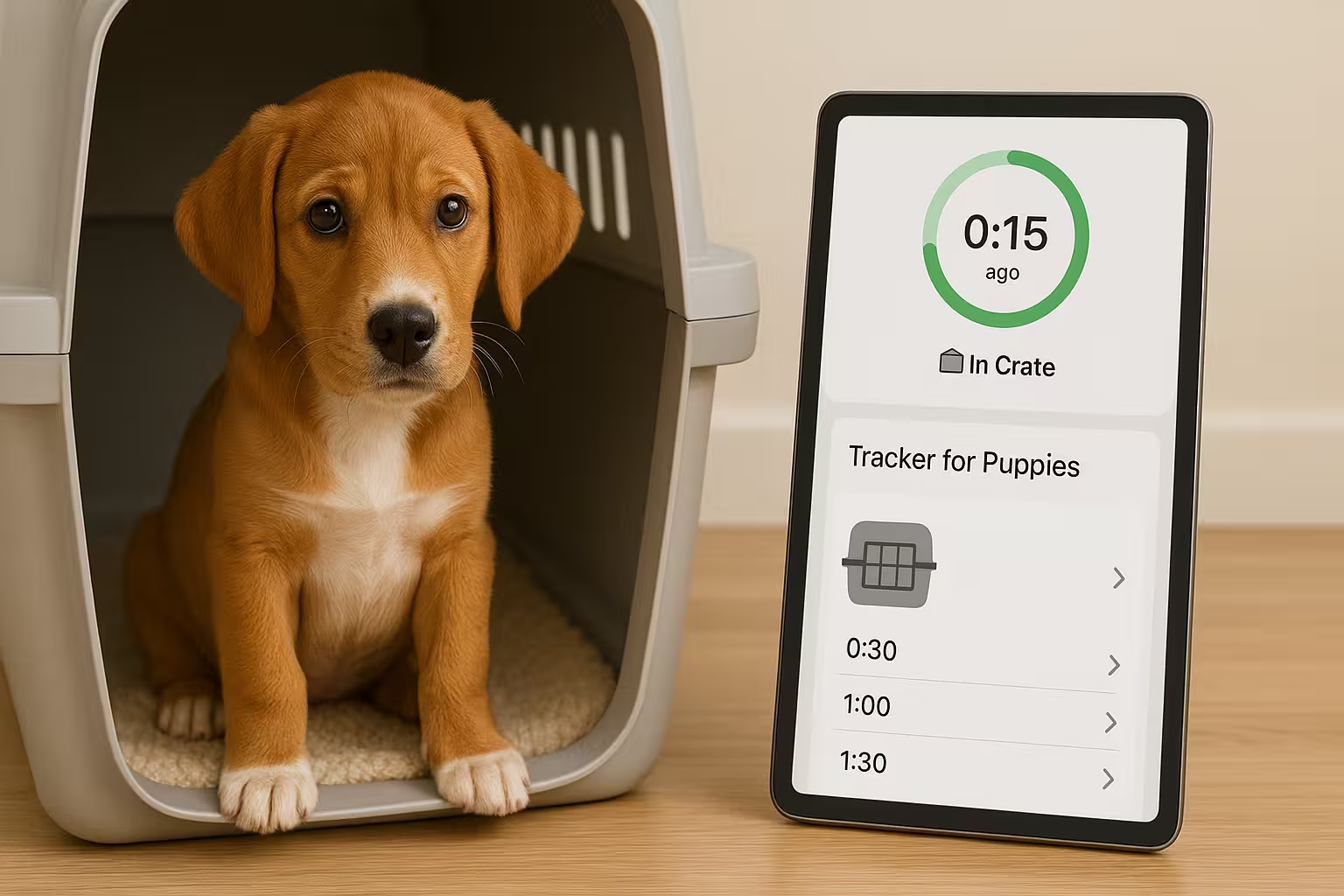
3. The Calm Exit
No Fanfare
Open the door without fanfare. This teaches your puppy that the crate isn’t a place of isolation, but a safe space. Calm exits prepare them for longer crate times later on.
6. Gradually extend crate time by 2–5 minutes per session, staying nearby.
To succeed at crate training a puppy at night and during the day, build crate time slowly. Start by adding just 2 to 5 minutes per session. Gradual exposure prevents your puppy from feeling trapped or overwhelmed.
Stay close during early training. Your presence helps reinforce that the crate is safe. This creates emotional security that carries over into solo naptime or overnight crate sessions.
Adjust based on your puppy’s comfort level. If they stay calm, increase the time. If not, go back to the last success point. Progress should be steady but stress-free.
7. Leave the room briefly while the puppy is crated to begin building independence.
Separation tolerance is part of crate training a puppy at night. Begin stepping out of the room for short intervals—start with 30 seconds to 1 minute. This prepares your puppy for real-world scenarios where you can’t always be nearby.
Returning without drama teaches emotional balance. Your puppy will learn that you always come back, reducing anxiety and boosting confidence. This is especially important for building comfort with nighttime solitude.
Slowly increase how long and how far you go. Use household routines like taking out the trash or getting mail to simulate short absences. Each one helps reinforce that the crate is safe, whether it’s morning nap time or bedtime.
8. Return calmly, without fuss, to avoid rewarding excitement.
How you return is as important as how you leave. When crate training a puppy at night and during the day, stay calm and neutral during reentry. This teaches your puppy that you leaving and returning is no big deal.
Avoid creating an emotional spike. High-pitched greetings or excited energy can reinforce whining or anxious behavior. Calm returns help your puppy remain emotionally steady in and out of the crate.
Reward calm behavior, not chaos. Wait until your puppy is quiet before offering attention or letting them out. This strengthens crate training results across both daytime and nighttime routines.
9. Crate for naps and bedtime, placing the crate near your bed at night.
Routine is a major part of crate training a puppy at night and during the day. Use the crate for both naps and overnight sleep to establish clear rest cycles. Dogs thrive on structured schedules.
Start by placing the crate near your bed at night. Your presence reassures your puppy and reduces nighttime crying or stress. Being close helps ease the transition into sleeping alone over time.
Gradually move the crate farther if needed. But early on, staying nearby promotes comfort and crate acceptance. This proximity encourages longer, more restful crate stays across all times of day.
About this tool below:
It estimates the upper bound for time between overnight potty checks based on age and breed size. It assumes a healthy dog that’s comfortable in the crate, normal hydration, a potty trip within 15 minutes of bedtime, and a calm environment.
Use it as a ceiling, not a target:
Start shorter by 30–45 minutes for the first interval or after any late water/extra excitement.
Shorten immediately after whining, restlessness, or any accident.
Extend slowly (10–15 minutes) only after several dry, quiet nights.
Never withhold water to meet a time; this is guidance, not a challenge.
Not a medical guideline. Dogs with medical issues (e.g., UTIs, GI upset, diabetes), brachycephalic breeds in heat/humidity, very young (<8 wks), or seniors may need much shorter intervals. If unsure, follow your vet’s advice.
Puppy Profile
Choose Breed SizePre-Crate Checklist
- Last water: aim for 60–90 min before bed.
- Final potty: within 15 min of lights out.
- If there’s a late drink, shorten first interval by 30–45 min.
Overnight Adjustments
- Whining? Try a calm, quick potty break. Consider white noise or crate location.
- Accident? Shorten the next interval by ~30–45 min.
- All checks dry & quiet? Extend final interval by ~15 min next time.
Tonight’s Plan
- First interval: shorten by 30–45 min if water ≤60 min before bed.
- Typical checks: 2–3 overnight.
- First interval: trim by 30 min if late water.
- Typical checks: 1–2.
- Typical checks: 1–2.
- Typical checks: 1–2; many make it to morning on the second interval.
- Typical checks: 0–1; extend by 15 min after dry nights ✓
- Typical checks: 2–3.
- Typical checks: 1–2.
- Typical checks: 1–2.
- Typical checks: 0–1.
- Typical checks: often 0–1; extend final by ~15 min after quiet nights.
- Typical checks: 2.
- Typical checks: 1–2.
- Typical checks: 1–2.
- Typical checks: 0–1.
- Typical checks: often 0–1.
- Typical checks: 2.
- Typical checks: 1–2.
- Typical checks: 1–2.
- Typical checks: 0–1.
- Typical checks: often 0–1; extend by ~15 min after quiet, dry nights.
Timer
Current interval: — min
10. Take the puppy out immediately upon waking, whining, or post-nap.
Timely potty breaks are non-negotiable. For crate training a puppy at night and during the day to be successful, take them out immediately after they wake, whine, or nap. This builds reliable bathroom habits.
Whining after sleep is often a sign they need to go. Don’t ignore it or wait too long—this can lead to accidents and damage crate confidence. Quick, calm responses reinforce trust and structure.
Use a consistent cue and reward the behavior. Carry them outside, teach your dog the place command for outdoor elimination, and praise once they do. Repeating this across naps and nights makes crate-to-potty transitions smooth and predictable.
Do not use crate for punishment; maintain its status as a safe zone.
Stick to a schedule for potty breaks, crate time, and meals.
By 8–10 weeks, the puppy should begin settling into the crate calmly.
Overnight Potty Break Guide
Select your puppy’s age to see the estimated maximum time between potty breaks at night, based on breed size.
This is a general guideline. Always consult your vet and adjust based on your puppy’s individual needs.
Psychological Dog Training Principles Explained
Above, you were told every technique we’ve shared for crate training a puppy at night is grounded in real, science-backed behavior principles—not guesswork. Now, let us show you exactly how those trusted methods come to life!
Positive Puppy Enrichment — Quick Preview
Three unique, trainer-approved ideas. Open the full console for filters, time limits, and 40+ activities!

Lick Mat — Frozen
Details
- Spread thin layers (yogurt, pumpkin, wet food).
- Freeze 30–60 minutes to extend duration.
- Serve on a non-slip mat; rinse and rotate flavors.
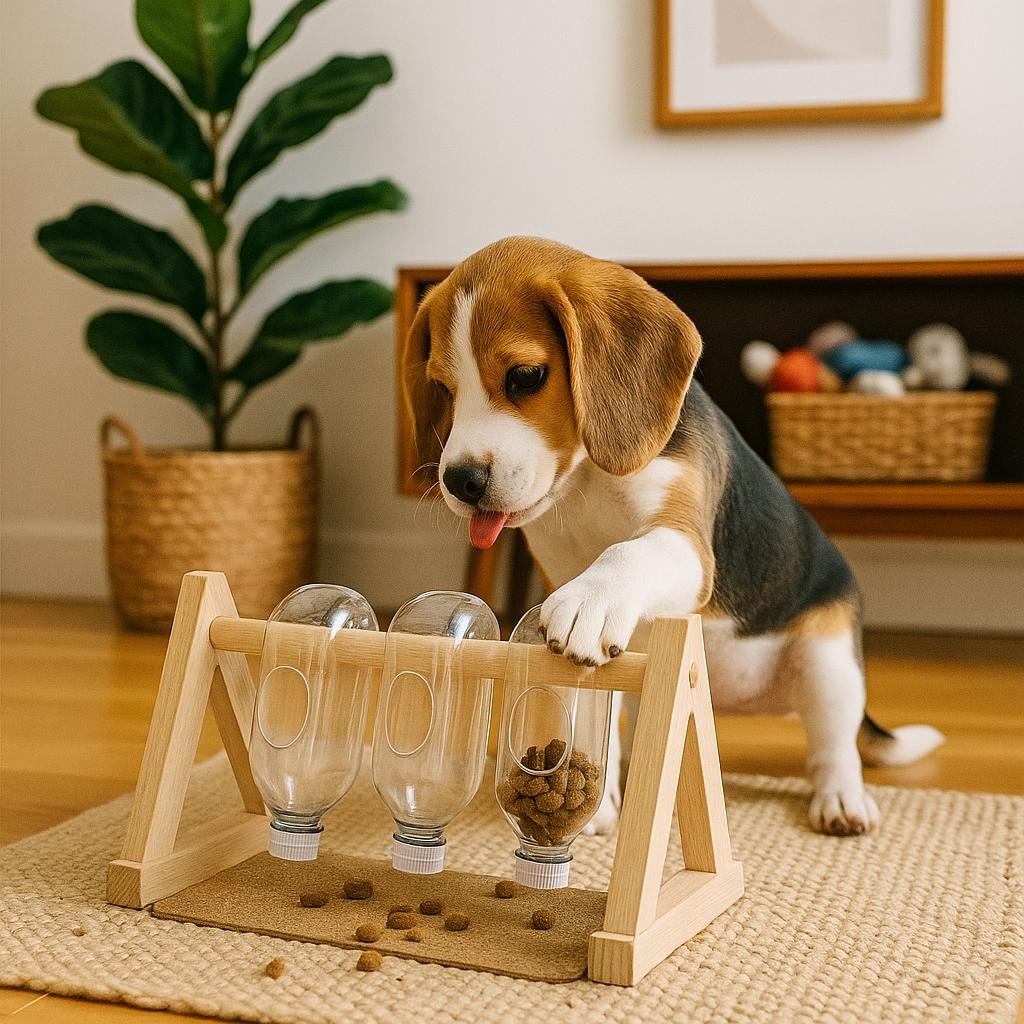
Bottle Feeder Rack
Details
- Load kibble; show one easy win.
- Let your pup learn to spin bottles for food.
- Short sessions prevent frustration; tidy edges.

Flirt Pole Bursts
Details
- 2–3 short chases with easy catches.
- Insert calm breaks; finish with sniffing.
- Avoid tight circles; protect growing joints.
Stick to a Schedule (Establishing Routine)
Dogs thrive on routine. Establishing a regular bedtime, feeding time, and crate time creates predictability that comforts your puppy. When they know what to expect while crate training a puppy at night, they’re less likely to feel anxious or uncertain.
Consistency is key when figuring out how to crate train a puppy at night. A nightly routine of winding down, using the bathroom, and calmly going into the crate builds habits that support long-term success, especially when combined with gentle nighttime routines for puppies. Your puppy will begin to anticipate bedtime and settle more easily in the crate when their routine is predictable.
When learning how to crate train a puppy at night, this principle is powerful. Puppies often fuss for attention, and responding—even to scold—can reinforce the behavior. Learn more about stopping aggressive puppy biting which follows similar non-reinforcement principles.
🚀 Crate Training Troubleshooting
Facing a challenge? Click a common problem below to find an expert-backed solution.
Problem: My puppy whines or cries in the crate.
Whining is normal, especially at first. The key is not to reward the behavior. Here’s a checklist:
- Is it a potty need? If they just woke up or it’s been a while, it’s likely a potty signal. Take them out calmly with no fuss, then right back to the crate.
- Is it boredom/loneliness? Ensure they have a safe chew toy. For nighttime, place the crate in your bedroom so they know you’re near.
- Are you rewarding it? Only let your puppy out when they are quiet. If you let them out while they’re whining, you teach them that whining gets them what they want. Wait for a pause, even a brief one, before opening the door.
- Is the crate fun? Make sure the crate is a happy place with surprise treats and special toys they only get inside.
Problem: My puppy is having accidents in the crate.
Accidents in the crate can undermine training. Let’s diagnose the cause:
- Is the crate too big? The most common reason. A puppy should only have enough room to stand, turn around, and lie down. Use a divider to make a large crate smaller.
- Are you waiting too long? A young puppy can’t hold it for long. Follow the “age in months + 1” rule as a maximum guideline for hours between breaks.
- Did you clean it properly? Use an enzymatic cleaner designed for pet stains. Regular soaps won’t eliminate the odor, which encourages them to go in the same spot again.
- Did they go potty right before? Always ensure a successful potty trip immediately before crating.
Problem: My puppy won’t go into the crate.
Resistance means the crate doesn’t feel like a safe, rewarding place yet. Never force them in. Instead, rebuild the positive association:
- Make it a treat paradise. Toss high-value treats (like freeze-dried chicken) into the crate. Let them go in, get the treat, and come right back out. No pressure.
- Feed all meals inside. Place their food bowl at the very back of the crate. Start with the door open. As they get comfortable, you can briefly close it while they eat.
- Use a verbal cue. Say your cue (“Crate,” “Kennel”) in a happy tone every time they go near it or enter voluntarily to get a toy or treat.
- Play crate games. Make a fun game of tossing a toy in, letting them retrieve it, and praising them.
Problem: My puppy is panicking (digging, chewing bars).
This is different from simple whining and indicates significant distress. It’s crucial to go back to basics and slow down dramatically:
- Shorten sessions to seconds. Go back to just 5-10 seconds of calm time in the crate with the door closed. Stay right there. Reward heavily for calm behavior.
- Provide enough exercise. A tired puppy is a calm puppy. Ensure they’ve had adequate physical and mental stimulation before any crate time.
- Use a high-value distraction. A frozen Kong filled with peanut butter or yogurt can keep them occupied and build a strong positive association.
- Consult a professional. True separation anxiety or confinement phobia may require guidance from a certified dog trainer or veterinary behaviorist.
The Psychology: Why Crate Training Creates a Calm, Confident Dog
Effective crate training is rooted in a dog’s natural denning instinct. Wild canids seek out small, enclosed spaces for safety and rest. Understanding the psychology of crate training a puppy means recognizing that a crate isn’t a cage—it’s a modern den. It provides a secure, personal space where your puppy can decompress away from the overwhelming sights and sounds of a human household, which is a key reason why crate training works for anxious dogs.
The process relies on classical conditioning to succeed. By consistently introducing treats, toys, and meals inside the crate, you are building a positive association with the crate. It transforms from a neutral box into a place that predicts wonderful things. This voluntary, reward-based approach prevents fear and ensures the puppy sees the crate as a high-value resource, not a punishment.
The Key Takeaway: Predictability Creates Security
Puppies and anxious dogs thrive on predictable routines. A structured schedule for potty breaks, naps, and meals provides a calming rhythm to their day. The crate becomes a foundational part of this routine—a safe, consistent place for rest. This predictability is fundamental to how to make a crate a safe space for a puppy, as it removes uncertainty and helps them learn to self-soothe.
By gradually increasing duration and never using the crate for punishment, you build a relationship based on trust. This thoughtful approach taps into your dog’s core needs, making the crate a sanctuary they willingly seek out for comfort.
🧠 Training Methods in Action

Christopher Quinn adopted his first dog, Loki, a spirited Border Collie/Jack Russell mix, after exiting Army service in the summer of 2012. That experience sparked a lifelong passion for canine behavior and positive reinforcement training.
He studied Principles of Dog Training & Behavior at Penn Foster and has since worked with hundreds of dogs from all backgrounds. Over the past two years, Christopher has fostered more than 30 rescue dogs, giving each one a chance at a better life.
Today, he continues to write, teach, and share insights on humane dog training, blending hands-on experience with a decade of dedicated study.