

🧡 How to Kennel Train a Puppy at Night Using Positive Reinforcement
Kennel training at night doesn’t have to be a battle.
With the right structure and a reward-based approach, you can teach your puppy that bedtime is safe, peaceful, and even enjoyable.
In this guide, we’ll walk through a step-by-step plan to crate train your puppy for nights using positive reinforcement techniques—no yelling, no punishment, just calm progress.
✅ Kennel Train a Puppy at Night: Why Nighttime Kennel Training Matters
When your puppy learns to sleep in a kennel:
- They feel secure at night
- House training becomes easier
- They’re less likely to chew or destroy items while unsupervised
- You sleep better, knowing they’re safe
But the key is to make the crate feel like a safe den, not a punishment box.
🛠 Step 1: Make the Crate a Positive Place (Before Night Falls)
Start this before bedtime:
- Place the crate in a quiet but central area of your home
- Line it with soft bedding and maybe a blanket with your scent
- Leave the door open and toss a few high-value treats inside
Pro Tip: Feed some meals inside the crate during the day—this step-by-step guide to crate training can help build that habit.
🌙 Step 2: Create a Pre-Bedtime Wind-Down Routine
To succefully kennel train a puppy at night, puppies need a consistent rhythm to feel secure.
1–2 hours before bed:
- Do a light play session (fetch, tug, or training games)
- Let your pup relieve themselves before entering the crate
- Avoid overstimulation—no rowdy play right before bed
Then… calm everything down.
Turn off loud sounds, dim the lights, and speak gently.
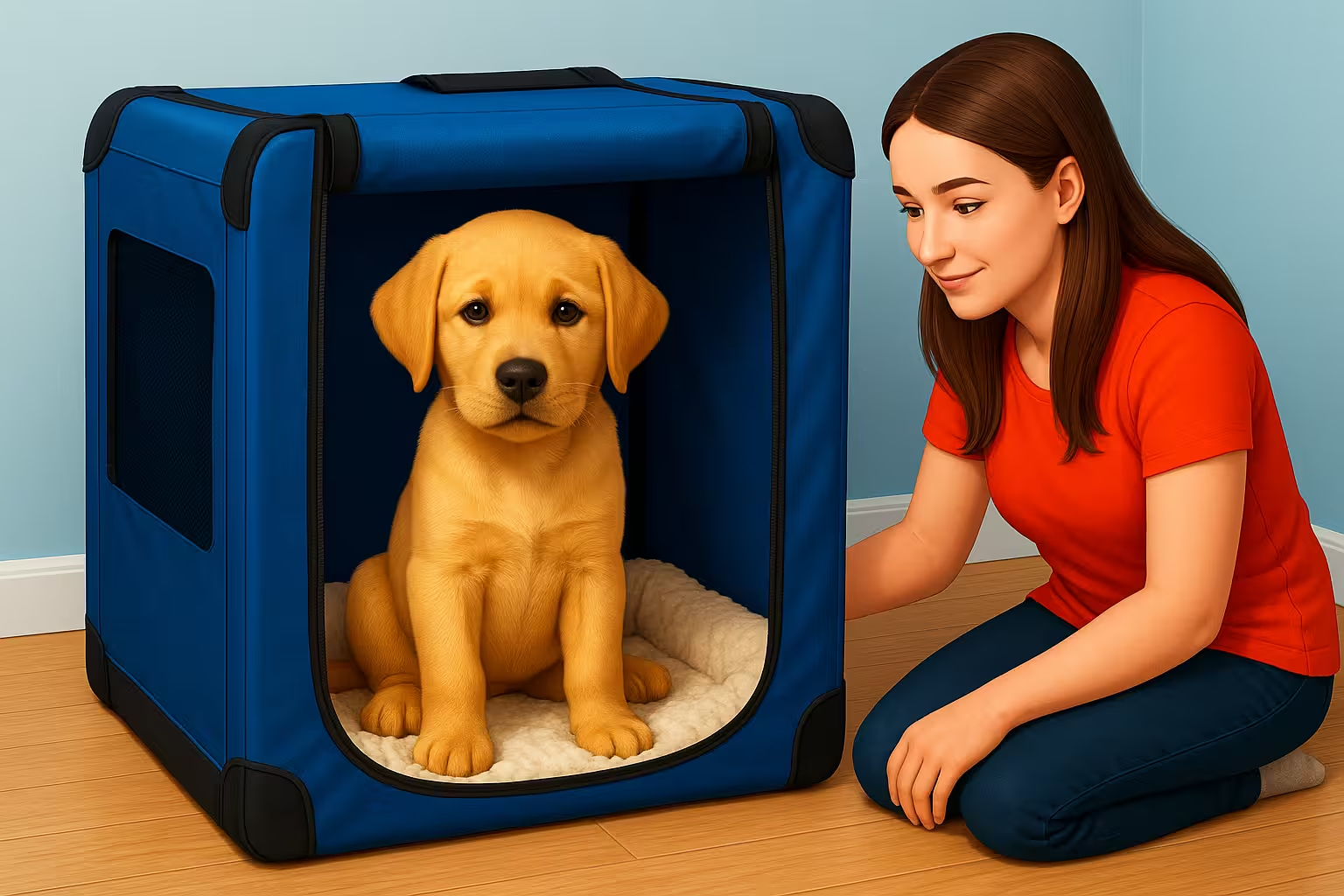
Step 1: Create a Crate Haven
Make the crate a positive space.
Make the Crate a Positive Place
To ensure successful nighttime crate training, your puppy must first see their crate as a safe den, not a punishment. This principle of positive association is scientifically proven to build confidence.
- Place the crate in a quiet but central area of your home.
- Line it with soft bedding and an item with your scent.
- Leave the door open and toss high-value treats inside.
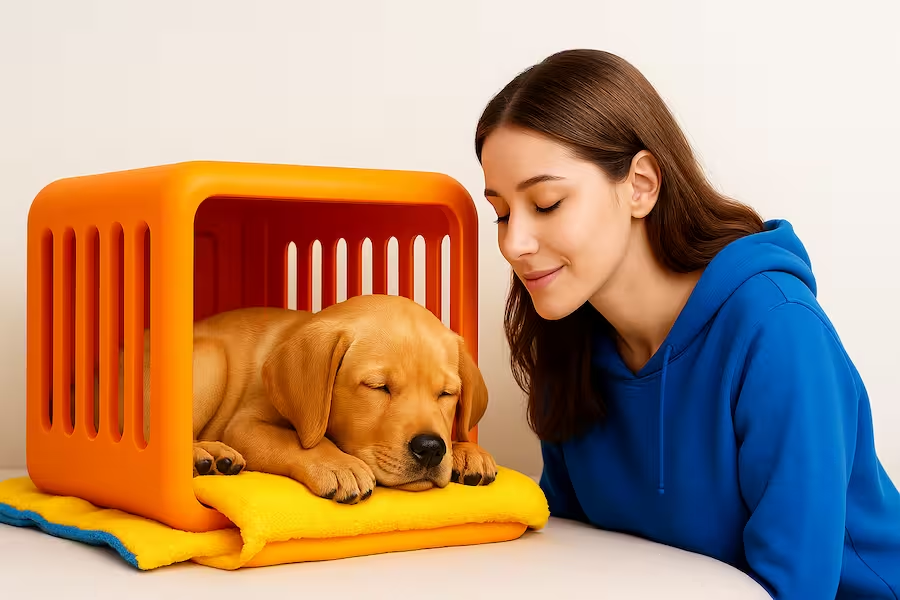
Step 2: Wind-Down Routine
Establish a calming pre-bed rhythm.
Create a Pre-Bedtime Routine
A consistent puppy bedtime routine signals that it’s time to sleep. Dogs, like humans, thrive on predictability, which reduces anxiety.
1–2 hours before bed:
- Engage in a light play session (fetch, tug, or puzzle toys).
- Take your pup out for a final potty break.
- Avoid overstimulation—no rowdy play right before bed.
Then, calm the environment. Dim the lights, lower your voice, and turn off loud sounds to help your puppy’s nervous system relax for a peaceful night.

Step 3: Guide & Settle
End the night with calm confidence.
Guide Them into the Crate
Use a calm voice and a reward to guide your puppy into the crate. Choose a verbal cue like “Kennel up!” or “Bedtime.”
As they enter, give a special treat (like a stuffed Kong) and gently close the door. Offer quiet praise and walk away without lingering. Your calm energy communicates that this is a normal, safe part of the day.
If your puppy whines in the crate: Pause for 30-60 seconds. Respond only if you suspect they need the bathroom. Otherwise, calmly wait it out. Responding to attention-seeking whines can reinforce the behavior.
🚪 Step 3: Guide Them into the Crate at Bedtime
Use a calm voice and a reward to guide your puppy into the crate.
Say your cue:
“Kennel up!” or “Bedtime crate!”
As soon as they step inside:
- Drop a treat or stuffed Kong
- Close the door gently and praise quietly
To succefully kennel train a puppy at night, puppies need a consistent rhythm to feel secure. Don’t linger or show nervous energy—this communicates “this is normal.”
If they whine:
Wait 30–60 seconds before responding.
Only respond if it’s likely they need the bathroom. If not, wait them out calmly.
📣 Step 4: Handle Nighttime Whining With Confidence
It’s normal for young puppies to cry during early crate training—especially at night.
They’re adjusting.
How to Respond:
| Situation | What To Do |
|---|---|
| Whining right after lights out | Wait it out 1–2 minutes. If it escalates, try calming words from across the room. |
| Whining after a few hours | Could be potty-related. Quietly take them out, no talking, no play. Return to crate. |
| Whining from boredom or attention-seeking | Do not reward with attention. Give more activity during the day next time. |
🌅 Step 5: Reinforce Quiet, Calm Crating
Each morning, release them with calm praise and a treat.
Don’t burst open the crate the second they whine—it teaches them whining gets the door open.
Instead:
- Wait for a moment of silence THEN open the door
- Reward calm behavior with breakfast or attention
This builds the behavior:
“If I relax in my crate, good things happen.”
If you consistently follow these steps to kennel train a puppy at night, your dog will begin to see the crate as a comforting routine.
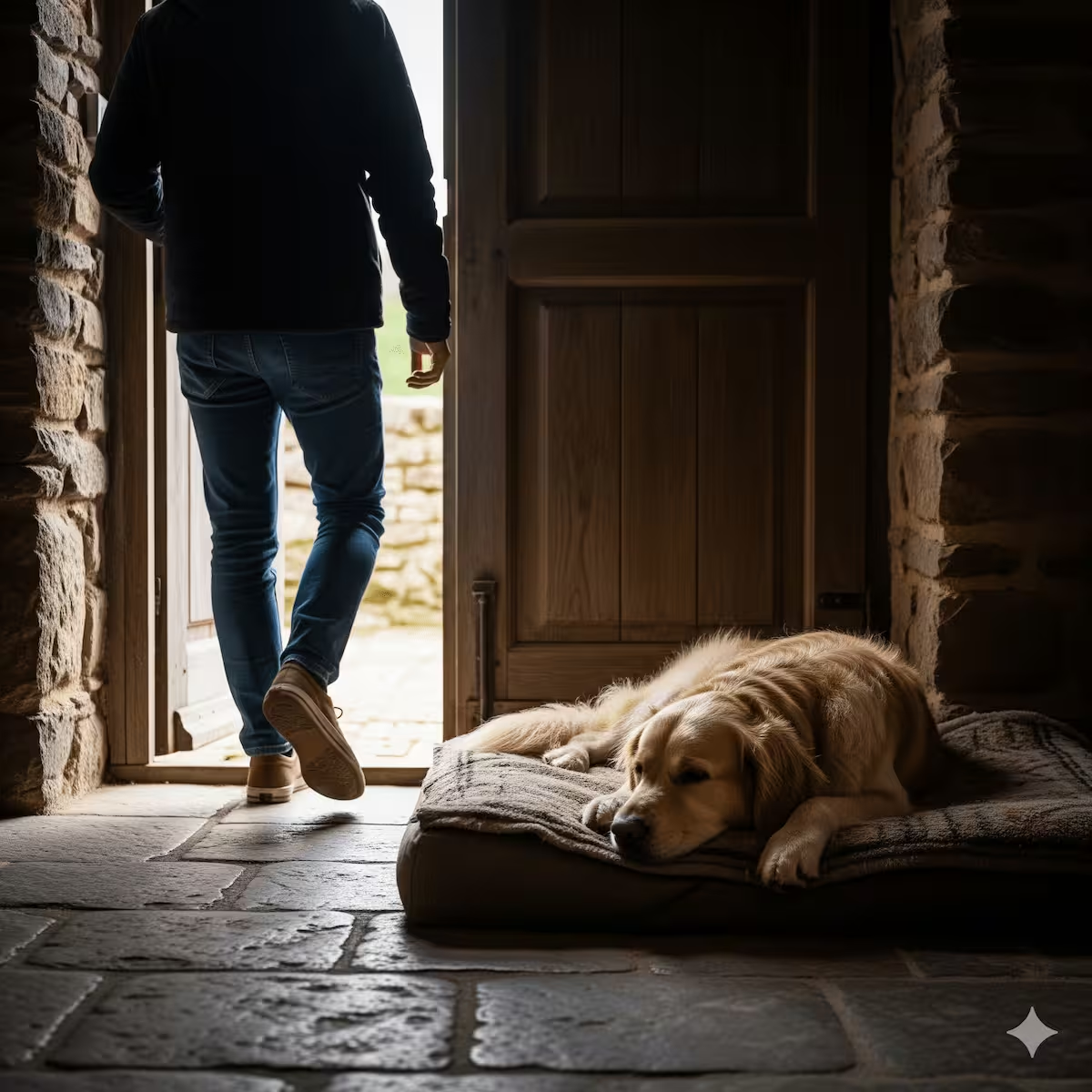
Crate Placement for New Puppies (Under 4 Months)
View Details
When starting your new puppy crate training journey, overnight placement is crucial. Young puppies instinctively crave proximity to their family. Placing the crate in your bedroom is scientifically supported as it helps prevent overnight panic and builds a secure attachment.
This proximity allows you to hear when your puppy needs a potty break, which is essential for successful housebreaking. Responding quickly to their needs reinforces that the crate is a safe, responsive space, not one of isolation. This strategy is key to preventing puppy separation anxiety from developing.

Optimal Crate Location for Older Pups & Adult Dogs
View Details
For an older puppy (4-6 months+) or an adult dog, crate placement is still vital for creating a sense of calm safety. The primary goal is to establish the crate as their personal den, not a place of punishment. To start, place the crate in your bedroom or just outside the door to ease them in.
As your dog becomes more confident, you can gradually transition the crate to a more permanent, quiet corner. Avoid areas that are cold, drafty, or completely cut off from the household. A location that is close enough for them to sense your presence but not be overstimulated by movement is an ideal solution for a secure, long-term dog crate setup.
🧭 Bonus: Where Should You Put the Crate at Night?
New puppies crave proximity.
Placing the crate in your bedroom can:
- Prevent overnight panic
- Let you hear when they need to go out
- Build attachment in a secure way
If you’re crate training a little older puppy (4–6 months+), you can start with the crate near the bedroom and gradually move it.
When crate training your puppy or adult dog, placement is everything—especially overnight. The goal is to create a sense of calm safety, not isolation.
To start, place the crate in your bedroom or just outside the door. This allows your dog to sense your presence, which can ease separation anxiety and reduce whining or barking. Being nearby helps you respond quickly if your puppy needs a midnight potty break—essential during those early housebreaking stages.
If your dog is highly stimulated by your movements, consider a nearby hallway or quiet corner where they’re still close enough to hear you but less likely to be distracted. The key is to avoid areas that are cold, drafty, or completely cut off from household activity—these can make the crate feel like punishment rather than a safe den.
As your dog matures and becomes more confident, you can gradually transition the crate to a more permanent location that suits your family’s nighttime routine.
Remember: The best place to put the crate at night is where your dog feels most secure, not just where it’s most convenient for you.
❌ Common Mistakes to Avoid
- Punishing whining
Responding with scolding or crate shaking teaches fear—not calm. - Skipping the wind-down
A wired-up puppy won’t settle well. You need a ritual to get them sleepy. - Inconsistent routine
Changing where they sleep each night confuses them. Stick to the same crate, same rhythm.
✅ Checklist: Your Puppy’s Bedtime Crate Routine
- Light activity or training session
- Final potty trip
- Offer a safe chew or Kong
- Calmly cue them into the crate
- Dim lights, use white noise if needed
- Ignore mild whining; potty trips only if necessary
- In the morning, reward calm exit
Looking for expert-backed guidance? Check out the AKC’s official crate training tips for even more insights on how to kennel train your puppy at night using positive reinforcement.
💬 Final Thoughts
Puppy Crate Training Factors
Method Effectiveness vs. Potty Break Intervals
Kennel training a puppy at night using positive reinforcement isn’t just possible—it’s the most humane and effective way to build trust and lifelong habits.
Be patient. Be consistent. Use rewards to guide every bedtime into a moment of confidence.
The results?
A bond that only deepens with each passing day. A puppy who sleeps through the night. A human who sleeps soundly, too.
🌙 Can You Kennel Train a Puppy at Night?
Yes—you absolutely can kennel train a puppy at night, and with the right approach, it can help build healthy sleep habits and reduce nighttime anxiety. When you kennel train a puppy, the goal isn’t just containment—it’s comfort, routine, and emotional security.
Start by creating a cozy, safe space in the kennel with soft bedding and a chew toy. Place the kennel in a quiet area, but close enough that your puppy can still hear you nearby. Use positive reinforcement every time your puppy enters the space willingly, and avoid scolding or using the kennel as punishment.
If you’re consistent, kind, and patient, you can kennel train a puppy at night in a way that promotes trust, not fear. Remember—success is about making the kennel feel like a den, not a cage.
About the Psychology: Why This Method Works
Successful kennel training isn’t about dominance; it’s about understanding your puppy’s mind. This approach is rooted in established principles of animal behavior that work with your puppy’s instincts, not against them.
Classical Conditioning: Building a Positive Association
Your puppy initially sees the crate as a neutral object. Through classical conditioning, we change that perception. By consistently pairing the crate with things your puppy loves (like special treats or toys), they learn to associate the crate itself with those happy feelings. The goal is an automatic emotional response: seeing the crate triggers feelings of comfort and anticipation, not fear.
Operant Conditioning: The Power of Positive Reinforcement
This principle addresses your puppy’s choices. When your puppy voluntarily enters or settles in the crate and you reward that behavior, you are using positive reinforcement. This makes them more likely to repeat the action in the future. They learn that good things happen when they choose to use their crate, empowering them to make the right decision.
Canine Den Instinct: Providing Innate Security
Dogs are naturally den animals. They instinctively seek out small, enclosed, and safe spaces to rest. A crate effectively taps into this instinct, providing a sanctuary that is exclusively theirs. When introduced properly, the crate becomes a place of security and calm, which is particularly helpful for easing nighttime anxiety.
Using the crate for punishment or forcing a puppy inside creates a powerful and negative emotional association. This scientifically proven outcome, called conditioned fear, links the crate with stress, isolation, and anxiety.
This approach increases stress hormones like cortisol, inhibits learning, and can lead to destructive behaviors and a deep-seated fear of confinement, defeating the very purpose of the training.

Christopher Quinn adopted his first dog, Loki, a spirited Border Collie/Jack Russell mix, after exiting Army service in the summer of 2012. That experience sparked a lifelong passion for canine behavior and positive reinforcement training.
He studied Principles of Dog Training & Behavior at Penn Foster and has since worked with hundreds of dogs from all backgrounds. Over the past two years, Christopher has fostered more than 30 rescue dogs, giving each one a chance at a better life.
Today, he continues to write, teach, and share insights on humane dog training, blending hands-on experience with a decade of dedicated study.