
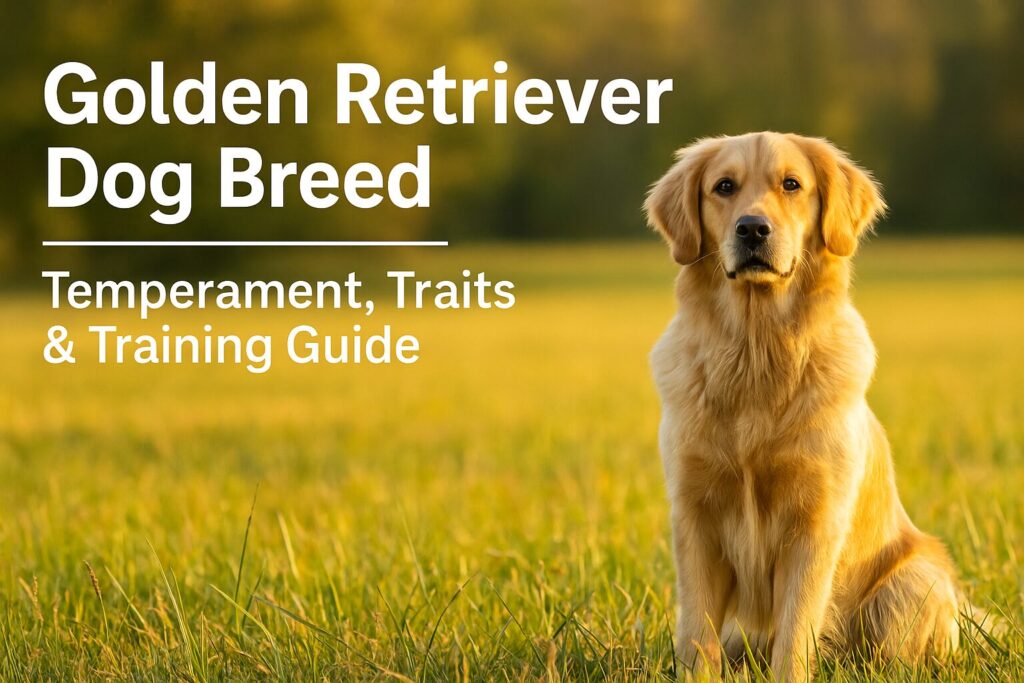
If you’re searching for a dog that combines loyalty, intelligence, and family-friendly energy, the Golden Retriever dog breed is likely at the top of your list.
This iconic breed has captured hearts for generations—not just for their stunning golden coats, but for their eager-to-please personalities and remarkable trainability.
Whether you’re raising your first puppy or expanding your pack, understanding the needs, temperament, and traits of the Golden Retriever dog breed is essential to building a happy, healthy bond.
This guide explores every important detail—from Golden Retriever history and behavior to exercise, nutrition, and grooming—so you can make an informed decision and give your dog the best life possible. Whether you’re considering adoption or already share your home with this affectionate, energetic breed, this article is your comprehensive resource for mastering Golden Retriever care.
Overview
The Golden Retriever dog breed is one of the most beloved and recognizable in the world. Known for their friendly temperament, intelligence, and adaptability, Golden Retrievers make exceptional companions for families, singles, and seniors alike. But before falling for their big brown eyes and joyful demeanor, it’s essential to understand the real needs behind the golden coat.
Golden Retrievers were bred to be working dogs—specifically, to retrieve waterfowl in rugged terrain. This means they have high energy levels, a love of water, and an instinct to carry things in their mouths. Without structured outlets, that natural drive can turn into chewing, digging, or mischief.
This breed is a great match for people who want a loving, highly trainable dog that craves human interaction. They’re gentle with children, tolerant of other animals, and eager to please. But Golden Retrievers do require consistent training, exercise, and mental engagement to stay balanced.
| Attribute | Details |
|---|---|
| Group | Sporting |
| Origin | Scotland |
| Size | Medium to Large (55–75 lbs) |
| Lifespan | 10–12 years |
| Energy Level | High |
| Trainability | Very High |
| Good with Kids | Excellent |
| Best for | Active families, service roles |
Golden Retrievers are emotionally in tune with their humans, often mirroring their moods. This sensitivity makes them wonderful therapy and emotional support dogs. However, it also means they don’t respond well to yelling, isolation, or boredom.
If you want a loyal, friendly dog that thrives on companionship, daily activity, and being involved in your life, the Golden Retriever dog breed could be your perfect match.
Breed Origins & Purpose
The Golden Retriever dog breed was developed in Scotland during the 19th century by crossing several breeds, including the now-extinct Yellow Retriever, Tweed Water Spaniel, Bloodhound, and Irish Setter. The goal was to create a retriever that could handle both land and water work, with a gentle mouth to return downed game undamaged.
Today, while most Golden Retrievers are household pets, their natural instincts still shine. You’ll notice they often carry toys, shoes, or whatever they can find. They also love swimming, hiking, and long walks.
Their heritage as hunters also contributes to their high intelligence and responsiveness. Golden Retrievers are consistently ranked among the top five smartest dog breeds, making them excellent candidates for obedience, service work, and dog sports.
Intelligence & Mental Stimulation
The Golden Retriever dog breed is renowned for its brainpower. They learn new commands quickly—often in under five repetitions—and retain information well.
Comparative Intelligence Table
| Breed | Avg. Commands to Learn New Task | Problem-Solving Rank |
| Golden Retriever | 5–10 | 4th |
| Border Collie | <5 | 1st |
| Poodle | 5–10 | 2nd |
| German Shepherd | 5–10 | 3rd |
Golden Retrievers love learning and doing. Puzzle toys, trick training, and structured games like hide-and-seek are all excellent ways to prevent boredom and behavioral issues. Their minds are just as busy as their bodies.
Without mental stimulation, they may become overly needy, destructive, or even depressed. Golden Retrievers are social problem-solvers—they’ll open gates, find hidden objects, or invent games to entertain themselves. Keep their minds as active as their bodies.
Temperament & Behavior
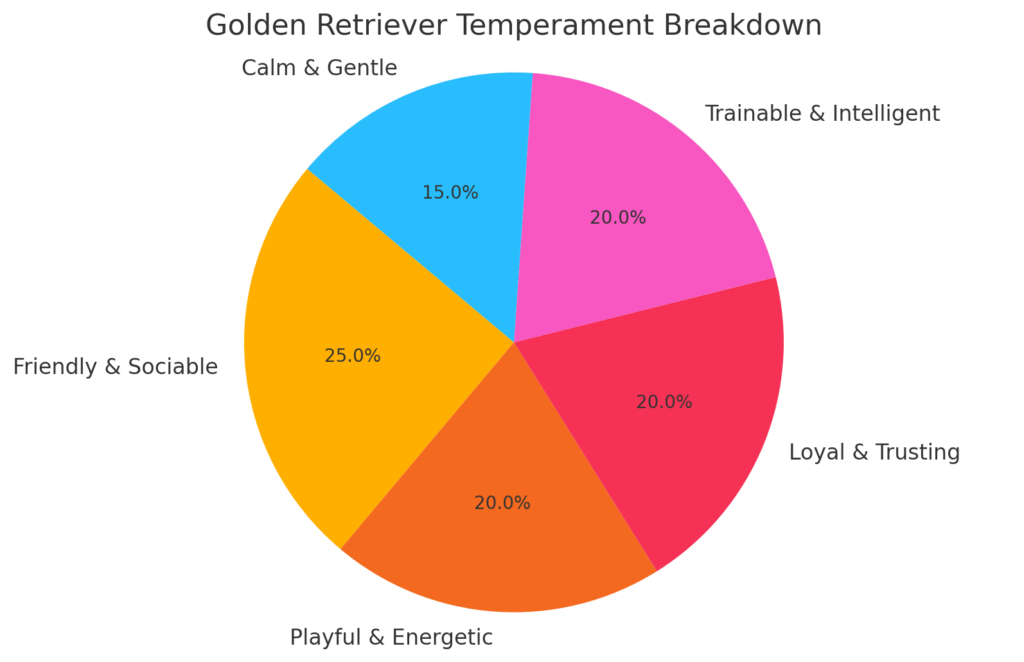
When it comes to choosing the right companion, the Golden Retriever dog breed stands out as one of the most beloved and trusted family dogs in the world. Known for their gentle nature and calm demeanor, Golden Retrievers consistently rank among the top choices for pet owners seeking a dependable, loyal, and affectionate canine.
The golden retriever dog breed is especially ideal for households with children due to its patience and natural eagerness to please. Whether you’re looking for a dog that gets along with strangers or one that can be trained easily, this breed checks every box.
The Golden Retriever dog breed has earned its reputation through years of dependable companionship, loving behavior, and steady temperament. Understanding the personality traits that define this breed is essential for first-time and experienced dog owners alike. Let’s explore what makes the golden retriever dog breed such an excellent fit for homes of all kinds.
Behavior Profile
| Behavior Trait | Description |
| Loyalty | Devoted to their family; often form strong bonds with children |
| Sociability | Friendly toward strangers and animals |
| Sensitivity | Reacts to tone and mood; dislikes conflict |
| Playfulness | Loves games and carrying objects |

Golden Retrievers are known as one of the best family dogs for good reason. They rarely show reactivity or possessiveness and are typically very tolerant. That said, they can develop separation anxiety if left alone for long periods, especially without stimulation.
Their trusting nature means they aren’t great guard dogs, but their friendly disposition makes them ideal therapy or assistance animals.
Training & Leadership
Training a Golden Retriever dog breed is one of the most rewarding experiences for both new and experienced dog owners. This intelligent, eager-to-please breed thrives on structure, consistency, and positive engagement.
Because the Golden Retriever dog breed responds so well to reinforcement-based training methods, they are frequently chosen as service dogs, emotional support animals, and competitive obedience champions.
If you’re seeking a dog that genuinely enjoys the learning process, few breeds can match the enthusiasm and attentiveness of a well-trained Golden.
Whether you’re working on basic manners or advanced cues, the Golden Retriever dog breed offers an ideal combination of emotional intelligence and trainability that makes them a favorite among trainers worldwide.
Recommended Methods:
- Clicker Training: Excellent for speed and clarity
- Reward-Based Learning (positive reinforcement): Food, toys, and praise work well
- Early Socialization: Crucial to reduce excitability
- Advanced Commands: They thrive when learning complex behaviors
Avoid:
- Harsh tones or punishment
- Inconsistent rules
- Neglecting mental stimulation
The Golden Retriever dog breed excels in structured environments. Start with basic commands, then progress into agility, obedience, or scent detection to keep them motivated and fulfilled.
Exercise & Activity Requirements
Golden Retrievers have moderate to high exercise needs.
Daily Minimums:
- Physical Exercise: 45–90 minutes (walking, swimming, retrieving)
- Mental Work: 20–45 minutes (training, puzzle toys)
Ideal Activities:
- Fetch and water games
- Hiking or long-distance walks
- Obedience or rally competitions
- Therapy or service work
A tired Golden Retriever is a well-behaved Golden Retriever. While not as intense as a Border Collie, they still require a structured lifestyle with plenty of engagement.
Grooming & Health
The Golden Retriever dog breed has a thick double coat that sheds heavily, especially during spring and fall.
Grooming Needs:
- Brushing: 2–3 times weekly
- Bathing: Monthly or after swimming
- Nail Trimming: Every 2–3 weeks
- Ear Cleaning: Weekly (due to risk of infection)
- Dental Care: Brush 2–3 times per week
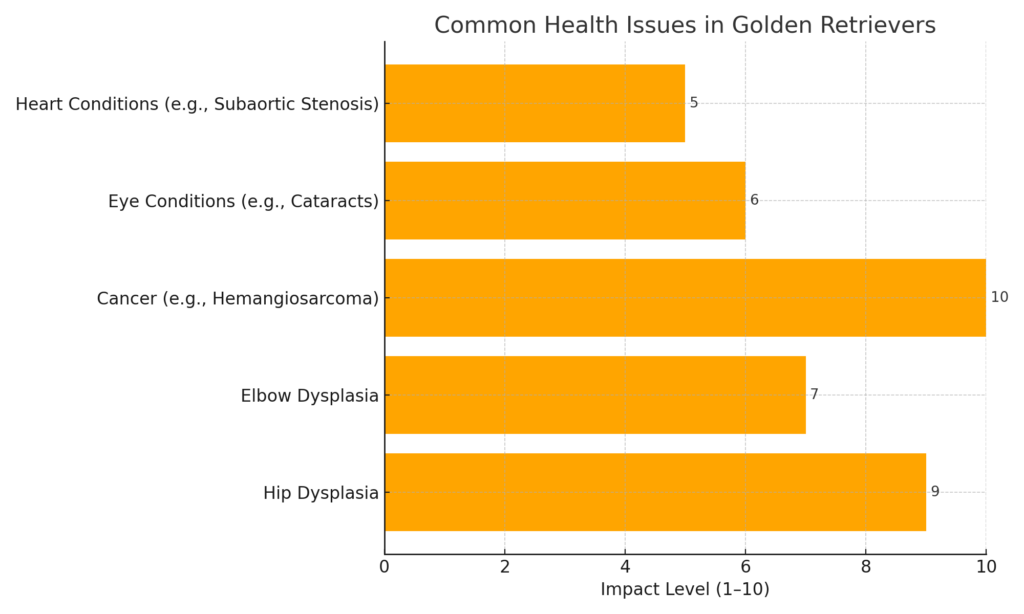
Common Health Issues:
| Condition | Risk Level | Management |
| Hip Dysplasia | High | Screenings, joint supplements |
| Elbow Dysplasia | Medium | Proper exercise, vet monitoring |
| Ear Infections | High | Regular cleaning, drying after swims |
| Cancer (various types) | High | Annual exams, early detection crucial |
| Heart Conditions | Medium | Screenings, activity moderation |
Golden Retrievers are prone to certain genetic conditions, so sourcing from a responsible breeder is essential. Routine health screenings and preventative care can extend their lifespan and improve quality of life.
Nutrition & Feeding
Golden Retrievers benefit from a high-quality, balanced diet that supports their energy levels, joint health, and coat condition. Because the Golden Retriever dog breed is prone to obesity and certain health concerns like hip dysplasia and skin allergies, choosing the right food is essential from puppyhood onward.
Look for premium formulas made specifically for large breeds. These should include real meat as the first ingredient, along with glucosamine, chondroitin, and omega-3 fatty acids to promote joint health, brain function, and a strong immune system.
Puppies of the Golden Retriever dog breed especially benefit from foods rich in DHA to support brain development and bone strength during the critical early months.
Avoid fillers like corn, soy, or by-products, as well as artificial preservatives. These can trigger allergies or lead to weight gain. Choosing the right nutrition plan at each life stage ensures your Golden Retriever stays healthy, active, and vibrant for years to come.
Puppy Feeding Guidelines:
- 3 meals/day up to 6 months old
- 2 meals/day from 6–12 months
- Look for puppy formulas with DHA for brain development
Adult Feeding Guidelines:
- 2 meals/day, based on weight and activity
- Average adult requires 1,000–1,400 calories/day
- Joint supplements like glucosamine and omega-3s help long-term
Avoid overfeeding—Golden Retrievers are prone to obesity. Treats should be less than 10% of daily intake, and table scraps should be limited or avoided.
Always provide fresh water and monitor for food allergies or sensitivities. High-protein diets with named meat sources (like chicken or salmon) are ideal. Avoid foods with fillers like corn or soy.
Pros and Cons Summary
When weighing whether the Golden Retriever dog breed is the right choice for your household, it’s essential to consider both the strengths and challenges this popular breed presents. The golden retriever dog breed is universally celebrated for its loving nature, high trainability, and loyal temperament, but it also comes with needs that demand consistency and commitment. Families often choose the golden retriever dog breed for its friendly personality and ease with children, but few realize that this breed sheds heavily year-round and requires regular grooming to maintain its coat and skin health.
As with any breed, the golden retriever dog breed has pros and cons that future owners must understand. Their affectionate disposition, patience with kids, and reliability as service dogs are unmatched. However, the golden retriever dog breed is also known to struggle with separation anxiety and may be prone to inherited health conditions without careful breeding and veterinary care.
Below is a straightforward breakdown of the most important pros and cons to help you decide whether the golden retriever dog breed fits your lifestyle and expectations.
| Pros | Cons |
| Friendly, trustworthy nature | Sheds heavily year-round |
| Excellent with children and animals | Needs consistent grooming and care |
| Highly trainable and versatile | Prone to separation anxiety |
| Great therapy and service dog | Some health conditions common in the breed |
Golden Retrievers bring immense joy, love, and companionship—but they require time, grooming, and preventative health care. Their affectionate and easy-going personalities make them one of the best breeds for committed, caring families.
Who Should Get a Golden Retriever?
✅ You want a family-friendly, loving dog
✅ You have time for daily walks and brushing
✅ You enjoy training and want a responsive dog
✅ You want a calm, affectionate presence in your home
✅ You plan to involve your dog in family life
Who Should Avoid This Breed?
❌ You dislike shedding and frequent grooming
❌ You’re rarely home or travel often
❌ You don’t have time for training or walks
❌ You want a guard dog
❌ You aren’t prepared for long-term health costs
According to the American Kennel Club’s Golden Retriever health overview, this breed is prone to several genetic conditions that responsible breeders actively screen for.
Final Thoughts
The Golden Retriever dog breed has rightfully earned its place among the world’s most popular companions. Their friendly demeanor, high intelligence, and trainability make them beloved by families, service dog programs, and dog lovers everywhere.
But with popularity comes responsibility. Understanding the breed’s physical, mental, and emotional needs is the first step toward a happy, healthy relationship. When raised in the right environment, the Golden Retriever dog breed becomes more than a pet—they become a trusted, joyful, and loyal part of your life.


Christopher Quinn adopted his first dog, Loki, a spirited Border Collie/Jack Russell mix, after exiting Army service in the summer of 2012. That experience sparked a lifelong passion for canine behavior and positive reinforcement training.
He studied Principles of Dog Training & Behavior at Penn Foster and has since worked with hundreds of dogs from all backgrounds. Over the past two years, Christopher has fostered more than 30 rescue dogs, giving each one a chance at a better life.
Today, he continues to write, teach, and share insights on humane dog training, blending hands-on experience with a decade of dedicated study.