
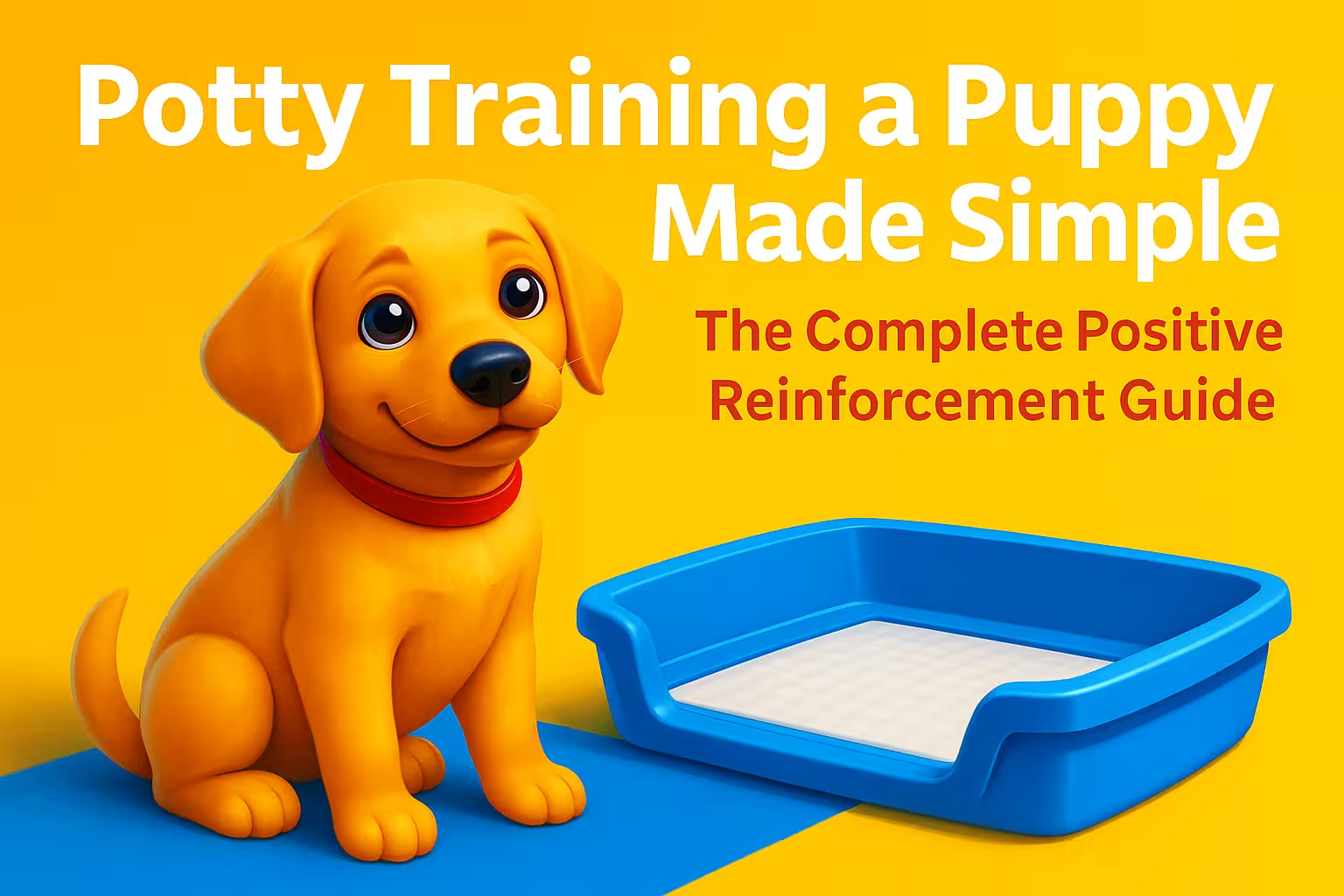
Potty training a puppy can feel overwhelming at first, but with the right mindset and a consistent, positive approach, it can be surprisingly simple.
In this guide, you’ll learn exactly how to house train your puppy using positive reinforcement methods that build trust, reduce stress, and set your dog up for lifelong success.
Why Positive Reinforcement Works Best
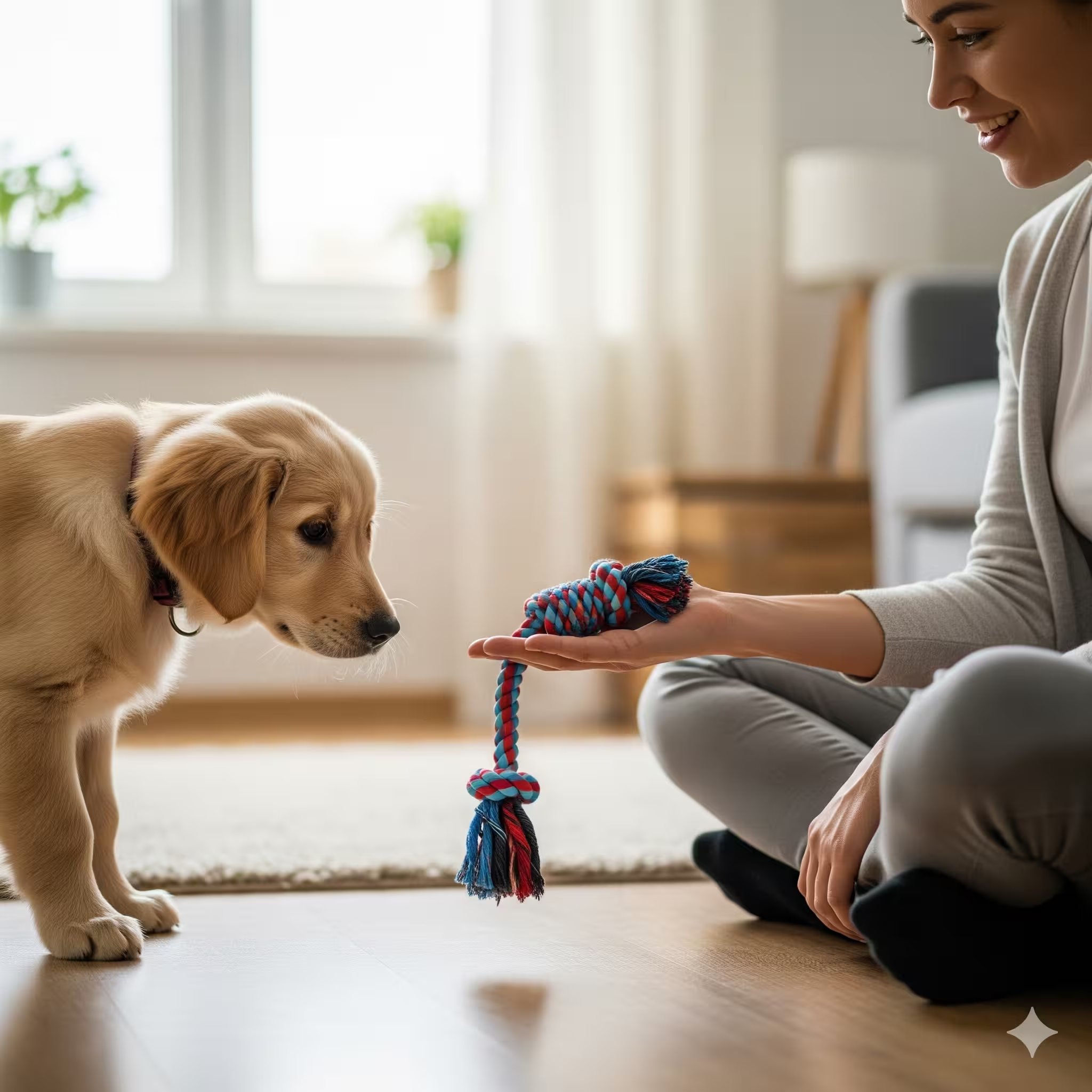
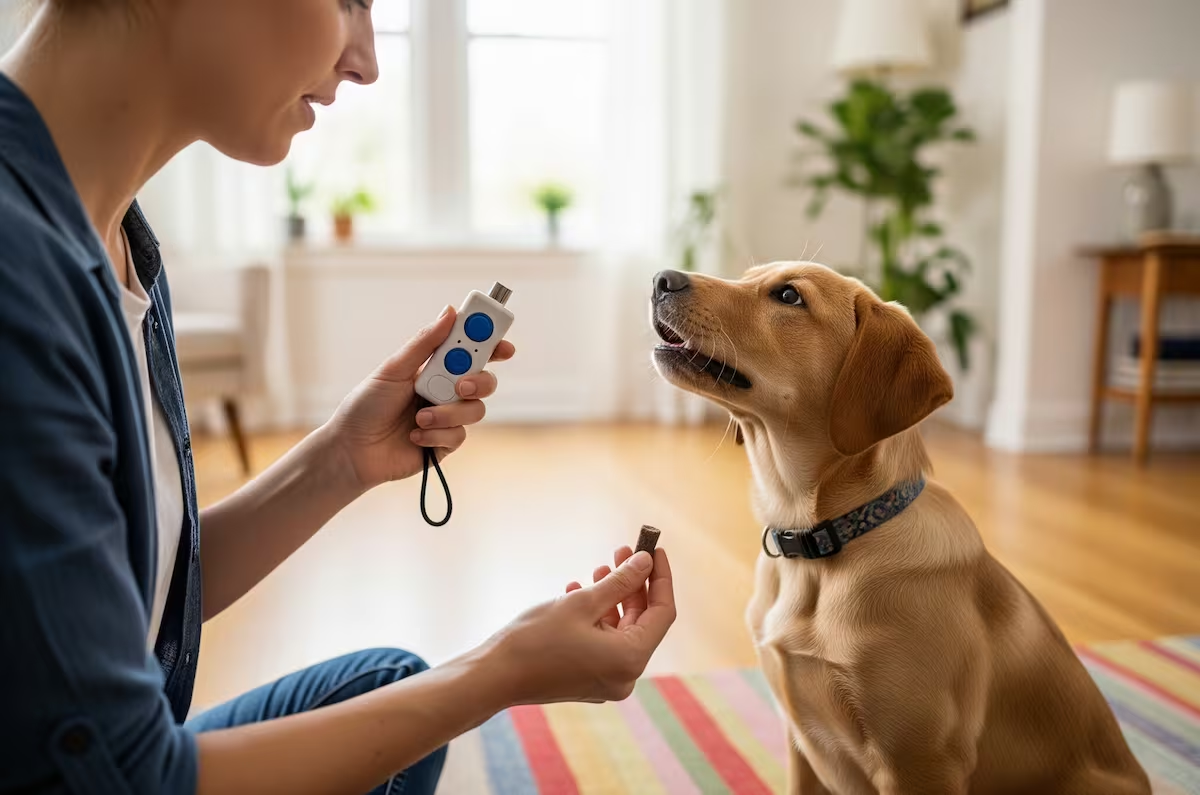
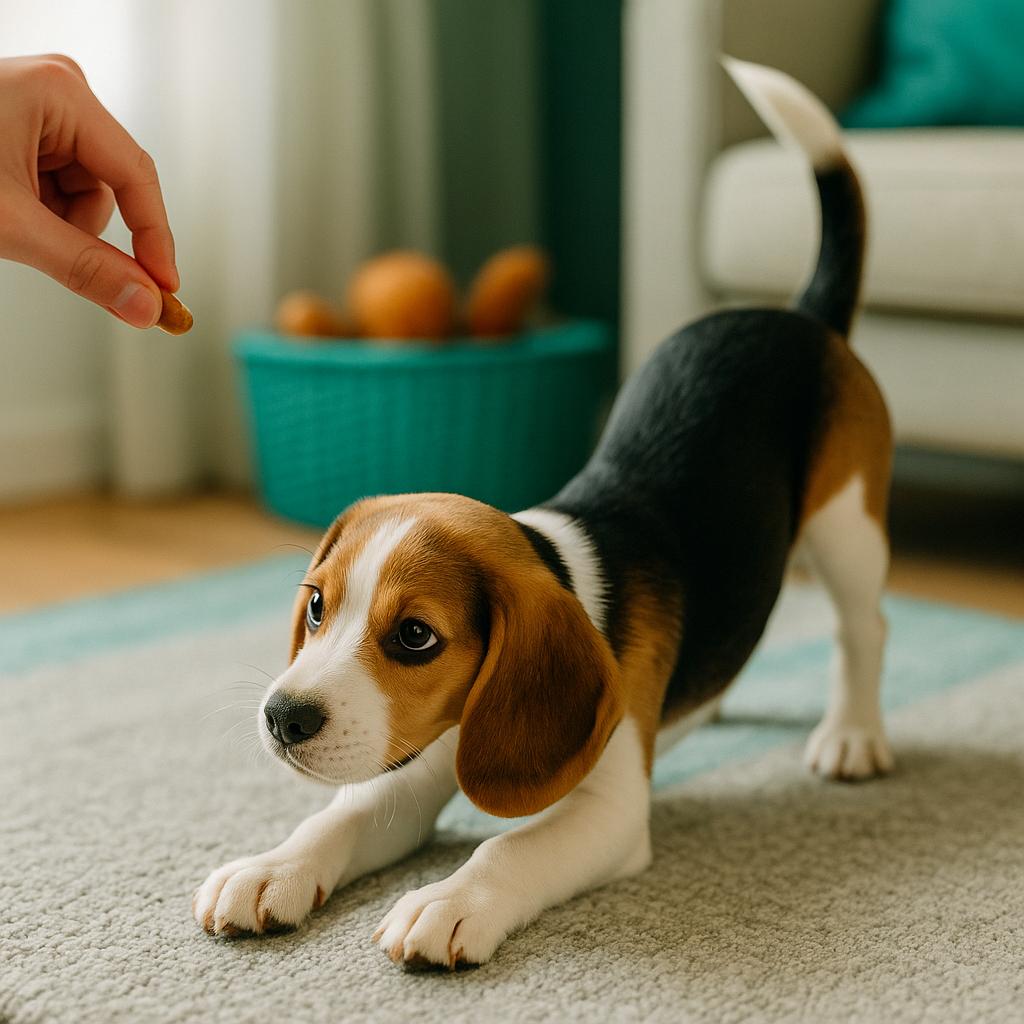
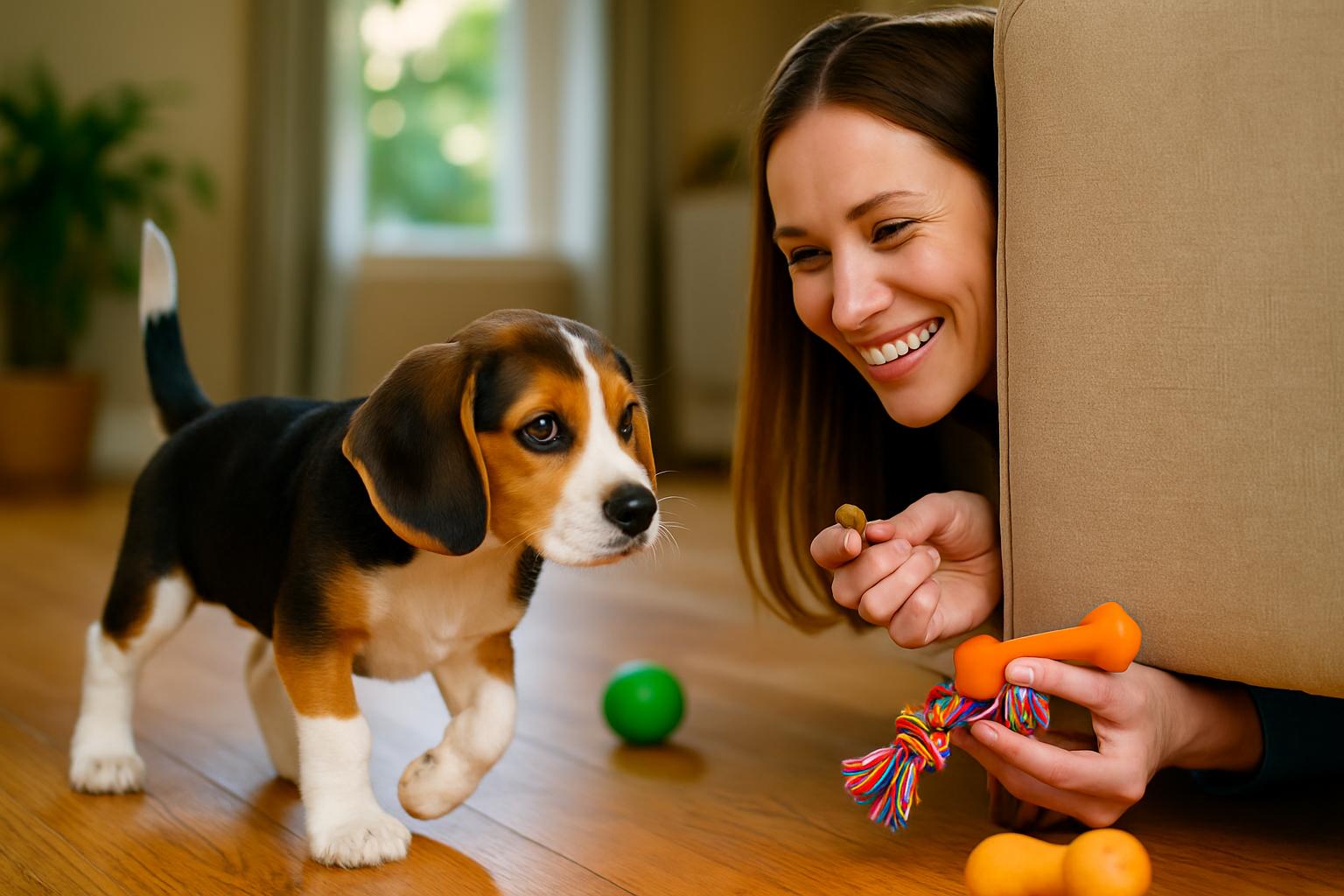
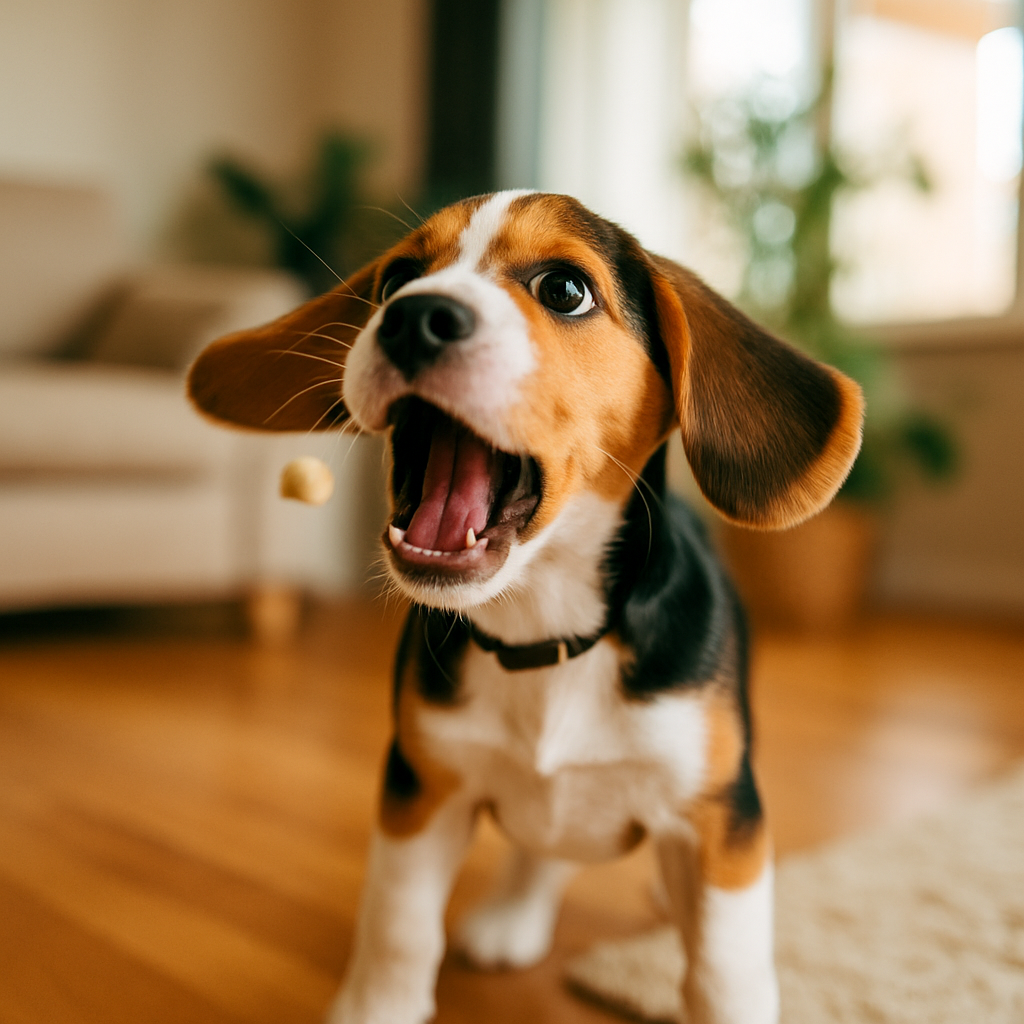
Positive reinforcement when potty training a puppy means rewarding for doing the right thing, rather than punishing for accidents. Dogs, especially puppies, learn faster and retain behaviors longer when they associate them with something good — like treats, praise, or play. By reinforcing good potty habits, your puppy learns what you want without fear or confusion.
Ehen potty training a puppy, they don’t have the ability to “know better” at first. Using punishment-based methods can damage your relationship and create anxiety around elimination, which may lead to more hidden accidents, or even fear-based behavior.
The 5 Essential Steps to Potty Training Success
1. Create a Predictable Schedule
Puppies thrive on structure. Feed your puppy at the same times every day, and take them outside at predictable intervals, such as:
- First thing in the morning
- After every meal
- After naps or play sessions
- Before bedtime
- Every 1–2 hours when awake
Use a timer or phone alarm to remind you. Consistency helps your puppy learn faster, and this structured approach is just one part of a complete puppy training guide that covers all aspects of raising a well-behaved dog.
Potty Plan Console
Guide, not gospel—always take pups out after naps, play, and meals. Reward calm toileting generously.
2. Use a Designated Potty Spot
Pick one area outdoors and always take your puppy there. This helps them associate that specific spot with going potty. Choose a quiet, low-distraction space.
Stand still and wait patiently, keeping interactions minimal until they go – this is similar to teaching your puppy to stay in one place during other training exercises.
3. Reward Immediately and Enthusiastically
The moment your puppy finishes going potty outside, shower them with praise and a high-value treat. Timing is everything. If you wait until you’re back inside, they won’t make the connection.
Use a cue word like “Go potty” right as they begin, then celebrate as soon as they finish. This teaches them that going outside is not only expected but rewarding.
Reward Timing Tracker
4. Supervise and Confine
Until your puppy is fully trained, never give them full access to your home. Use a leash, baby gates, or a playpen to keep them in sight. If you can’t supervise, crate them. Crates work because puppies naturally avoid soiling where they sleep.
Watch for signs they need to go, such as sniffing, circling, or suddenly leaving the room. If you catch them starting to go inside, calmly interrupt (clap or say “Oops!”), then take them straight outside. Reward if they finish there.
5. Clean Accidents Properly
Even the best-trained puppies have accidents. Clean thoroughly with an enzymatic cleaner to remove all scent markers. Dogs may return to potty in the same spot if they still smell their own urine.
Avoid scolding after the fact. If you didn’t see it happen, don’t correct. Your puppy won’t know why you’re upset, and it may only make them fearful, potentially leading to other dog behavior problems and solutions you’ll need to address.
Bonus Tips for Faster Progress
- Keep a Potty Log: Track when your puppy eats, drinks, and eliminates. Patterns will emerge, helping you predict and prevent accidents.
- Use a Bell or Door Cue: Teach your puppy to ring a bell or sit by the door when they need to go out. This gives them a way to communicate their needs.
- Avoid Long Walks Before Potty Training a Puppy: Don’t distract your puppy with a long walk until they’ve gone potty. Otherwise, they may hold it until back inside.
- Be Patient During Setbacks: Regression is normal during developmental periods, especially when combined with challenges like puppy sleep training which can affect their routine.
Training Readiness Dashboard: Age-Based Puppy Metrics
Explore how bladder control, growth rate, brain development, and training simplicity change with age. Drag the slider (months) to see the metrics update instantly. Values are a normalized 0–100 index to visualize trends (illustrative model for coaching decisions).
What these numbers mean
- Bladder Control: increases with age as sphincter control and scheduling habits mature.
- Growth Rate: fastest early in puppyhood, then slows as adult size approaches.
- Brain Development: rapidly climbs in early months and plateaus toward adulthood.
- Training Simplicity: “graspability” of new routines—often very high in the socialization window (roughly 2–5 months), then steadier later.
These are illustrative coaching indices (0–100) to visualize trends; real dogs vary by breed, size, health, and environment.
Crate Training and Nighttime Pottying
At night, young puppies can only hold it for a few hours. As a general rule, they can hold it for 1 hour per month of age (e.g., a 2-month-old puppy = 2 hours).
Set a nighttime potty alarm and take them out quickly and quietly, then return to the crate – this process is part of crate training a puppy at night effectively.
Never use the crate as punishment. It should feel like a safe den. Always take your puppy outside before placing them in it and immediately after letting them out.
How Long Does Potty Training a Puppy Take?
Most puppies take 2 to 4 weeks of consistent training to start catching on, though full reliability may take a few months, which aligns with veterinary guidance from VCA Animal Hospitals that emphasizes starting house training immediately when you bring your puppy home.
Stick with it. Each day of consistent, calm, and reward-based potty training is a deposit into your puppy’s trust bank and future reliability.
Summary: Your Puppy Potty Training Checklist
With a little structure and a lot of love, potty training a puppy doesn’t have to be a battle. You and your puppy are a team, and every successful trip outside is a step closer to a well-trained, happy companion.
About the psychology behind positive reinforcement potty training
Clarity, timing, and trust are the core of how to house train a puppy using rewards instead of fear.
Puppies live in the moment. They connect what they just did with what happens immediately after. This is why positive reinforcement potty training works so reliably: when your puppy eliminates in the right place and you deliver a reward within a few seconds, their brain associates outdoor toileting with good outcomes. Over days and weeks, those fast, consistent wins turn into habits that make potty training a puppy in an apartment or a house far less stressful.
Punishment does the opposite. If you scold after you find a mess, your puppy can’t connect the correction to the earlier accident. Instead, they may learn to hide where they go or become anxious about eliminating around you. This slows progress and can create confusion. Keeping reactions neutral during mistakes and enthusiastic after outdoor success is the foundation of how to potty train a puppy with positive reinforcement.
- Positive reinforcement potty training pairs correct toileting with immediate rewards to create clear associations.
- Management strategies like crate training a puppy at night and a daytime puppy potty training schedule support developing bladder control.
- Accidents are feedback—adjust timing, supervision, and cleanup with an enzymatic cleaner to prevent repeats.
- Neutral during mistakes, enthusiastic after success is the fastest path for how to potty train a puppy with confidence.

Christopher Quinn adopted his first dog, Loki, a spirited Border Collie/Jack Russell mix, after exiting Army service in the summer of 2012. That experience sparked a lifelong passion for canine behavior and positive reinforcement training.
He studied Principles of Dog Training & Behavior at Penn Foster and has since worked with hundreds of dogs from all backgrounds. Over the past two years, Christopher has fostered more than 30 rescue dogs, giving each one a chance at a better life.
Today, he continues to write, teach, and share insights on humane dog training, blending hands-on experience with a decade of dedicated study.