
Crate Training Tool
Time your puppy’s crate sessions, get smart, age-based recommendations, and build a calm, positive association—without the guesswork.
Why This Tool Works
Early crate sessions must be short, positive, and end on a calm note. Pushing a puppy too long creates frustration and a negative association with the crate. This free tool prevents that by:
- Tracking exact session length to the second.
- Suggesting an age-based target time that adjusts based on recent activity, energy, and experience.
- Visualizing your calm-win streak to build motivation and momentum.
This approach is rooted in positive reinforcement. By managing the environment and reinforcing calm behavior, you’re shaping a reliable habit from the start. Effective crate training also relies on managing their emotional threshold carefully.
Choosing the Right Crate
The right crate is a key part of your success. It should be a safe den, not a cage. The crate should be just large enough for your puppy to stand up, turn around, and lie down comfortably. Too much space can encourage them to use one end as a potty area.
Wire Crates
- Excellent ventilation and visibility.
- Often include a divider for a growing puppy.
- Easy to clean and fold for travel.
- Can be covered to create a cozier den.
Plastic Crates
- More enclosed, which can feel safer for some dogs.
- Reduces visual stimuli, helping anxious dogs settle.
- Generally required for airline travel.
- Can be warmer in cooler climates.
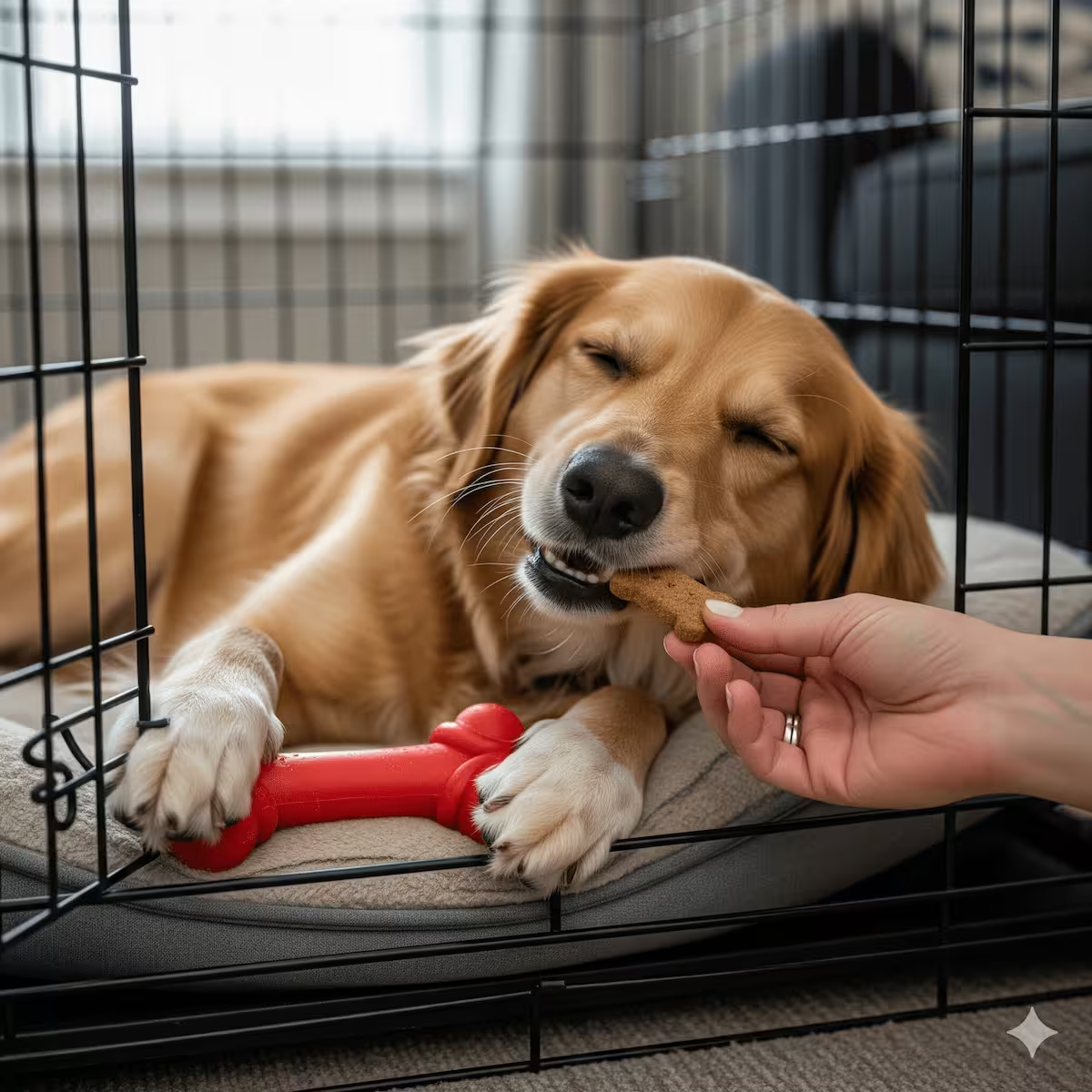
Pro Tip: No matter which you choose, make it comfortable. A safe chew toy or a frozen Kong can make it the best place on earth. Great dog enrichment activities start in the crate!
Troubleshooting Common Crate Problems
Issue: Whining & Barking
This usually means the session was too long or the puppy had too much energy. Ensure they’ve had adequate play and a potty break. If whining starts, wait for a 1-2 second pause before opening the door. Use the tool to log it as “Whined” and accept the shorter recommended time for the next session.
Issue: Accidents in the Crate
This is a sign of either too much space (use a divider) or being left too long. Clean any accident thoroughly with an enzymatic cleaner to prevent repeat offenses. Log it in the tool and significantly shorten crate times until you have a week of success.
Issue: Refusal to Enter
The puppy has a negative association. Go back to basics. Play fun crate games (tossing treats inside), feed all meals in the crate, and don’t close the door for a few days. Make it the source of all good things. Proper environmental management is key here.
Crate Training Flight Plan
Generate a free, personalized crate training schedule for your puppy or dog. End the guesswork and build a positive, lasting relationship with the crate.