
Tug of War with Dogs — Teach “Take It” & “Drop” for Safe, Controlled Play
Short, structured tug rounds turn big feelings into focus. Clear start/stop cues, clean trades, and calm resets keep the game safe and polite.
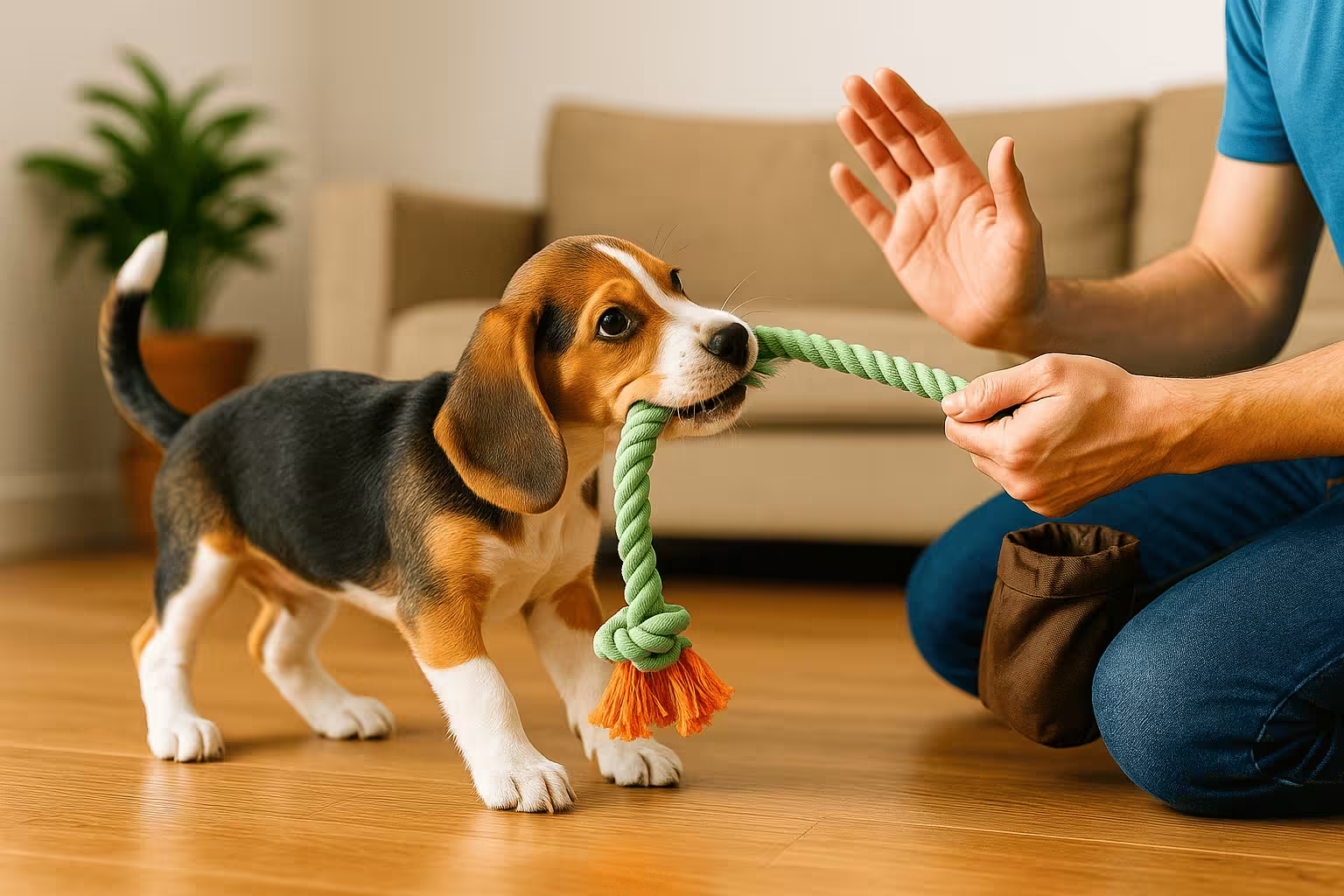
Rules convert excitement into cooperation. Predictable start/stop cues create reliable stimulus control so the game begins on “Take it” and stops on “Drop.” This is core to tug of war for puppy impulse control. If arousal creeps up, give space and a breath—classic threshold management—then restart cleanly.
- Arm on cue: Present the toy still. Say “Take it.” Animate only after the cue.
- Tug in short bursts: 3–5 seconds of side-to-side resistance. Praise mouth-on-toy behavior.
- Trade to stop: Freeze, cue “Drop.” Mark the release. This is your blueprint for how to teach drop it during tug of war without frustration.
- Reset: Hand target or sit. Soft eyes, loose body, steady breathing.
- Restart: Wait one beat, cue “Take it,” repeat 3–6 cycles.
- Finish strong: Say “All done,” park with a hand target, store the toy.
Safety: No vertical yanking or “hanging.” Puppies and small dogs need gentler pressure. For room set-up that prevents errors, see training management & environmental control.
- Start only on “Take it.” If your dog self-launches, hide the tug for two seconds and try again.
- End rounds before arousal spikes; celebrate calm breath and fast drops.
- Letting the dog “win” can build motivation; secure a clean “Drop” first.

Drop-Cue Trade Drill
Run 10 reps of “Drop → mark → instant re-tug.” Fast, happy releases = fewer tug games that turn into grabbing hands.

Bite Placement Target
Reward only the padded center. Ending the round the moment teeth slide toward fingers is one of the best games to stop a dog biting hands during tug.
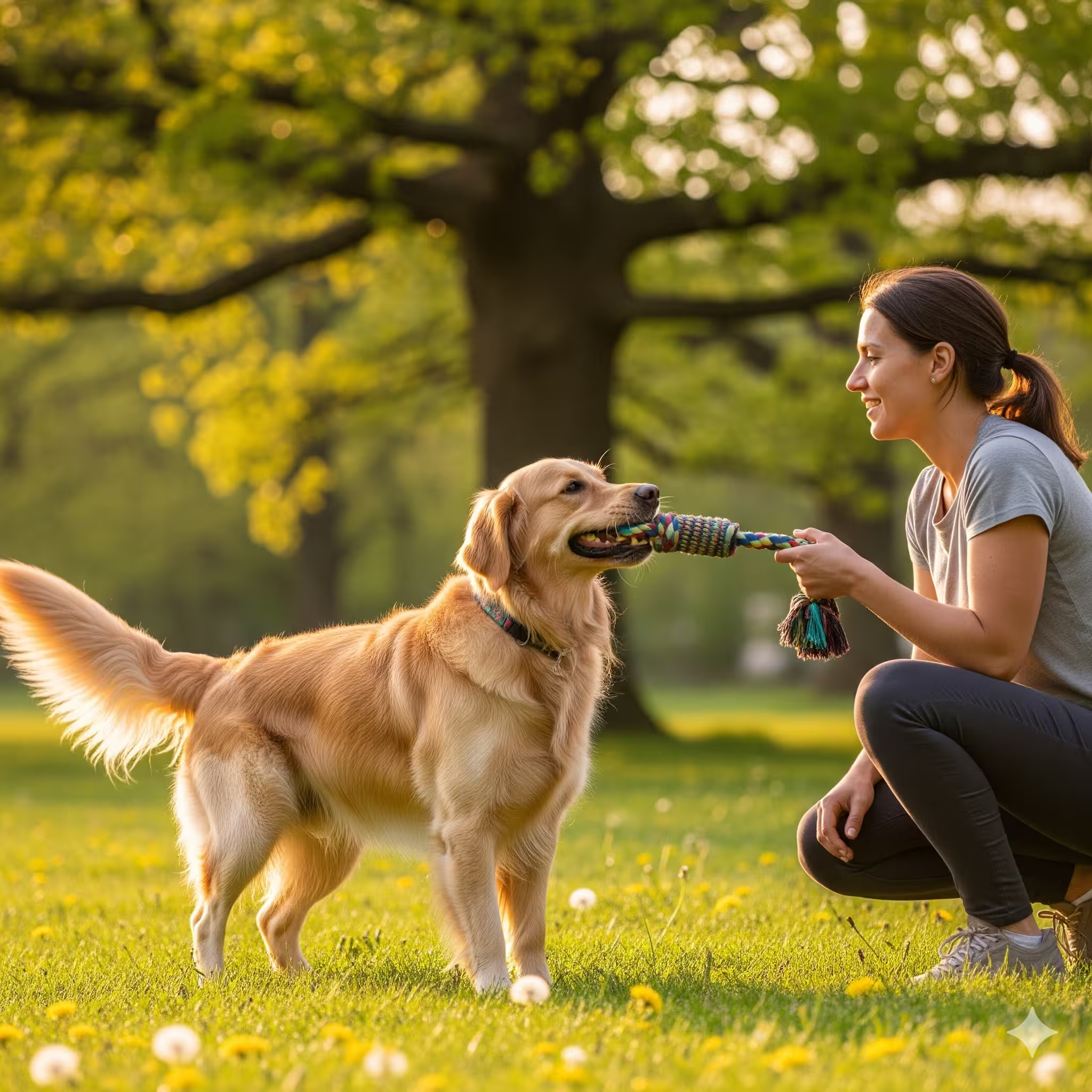
Reactive Reset + Tug
Use distance first, then a short tug round once under threshold. Great for how to build dog confidence with tug games in real settings.
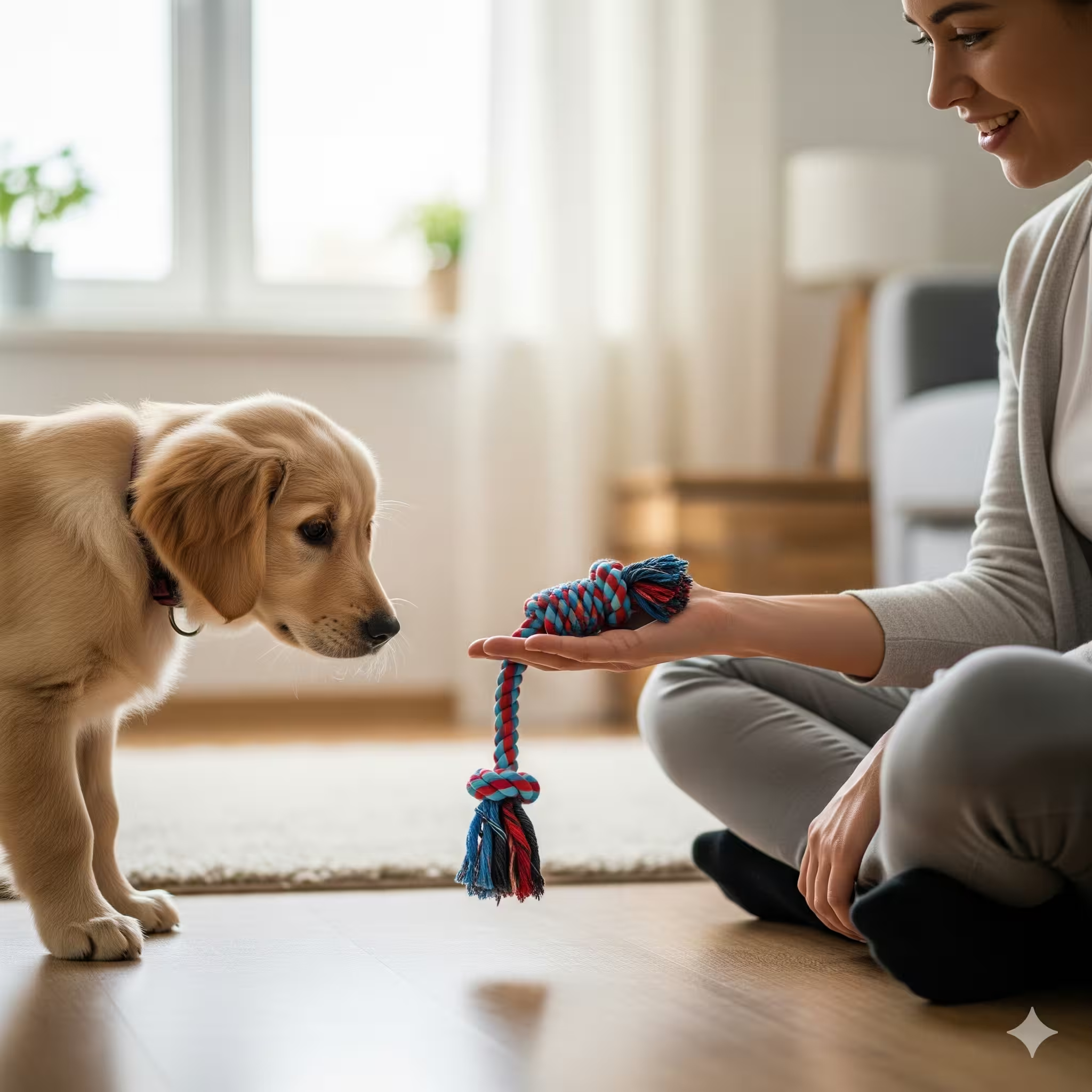
Shy Dog Tug Intro
Present the tug still, cue “Take it,” and praise tiny tugs. Alternate with calm people-watching; pair with shy-puppy socialization.

Durability Check
For power chewers, choose sturdy materials and size up—handlers often look for the best tug toys for dogs that chew hard to protect teeth and hands.

Win & Re-Engage
Allow occasional wins. Ask for a hand target, cue “Drop,” then relaunch. Confidence climbs while your cues stay crisp.
- Biting hands or sliding up the tug? End the round immediately and reset. Reinforce only correct mouth placement.
- Won’t drop? Freeze the tug completely, cue “Drop,” mark the release, then restart—this is the simplest answer to “how to teach drop it tug of war.”
- Over-amped? Insert a 15-second sniff break or water sip before restarting.
- Growling during tug of war—normal? Play growls can be fine with loose bodies and quick drops. Hard eyes or guarding? Pause and reset.
- Distance starts: Park 3–5 ft away, eye contact first, then present the tug after you cue “Take it.”
- Surface choices: Non-slip footing reduces body-slam energy and mouth errors—simple set-ups from management strategies.
- Confidence building: Structured wins and clean drops make timid dogs bolder while keeping play cooperative.
Does tug cause aggression? No. Rules teach self-control and reduce conflict. You’re rewarding cooperation.
Is growling during tug normal? Often yes if the body stays loose and drops are fast. If guarding appears, pause and reset.
How can I stop my dog from biting me during tug? Reinforce correct bite placement, shorten bouts, and end any hand contact instantly before restarting.
PupCommand — Positive Reinforcement Dog Training
Open the Training Tools →
Christopher Quinn adopted his first dog, Loki, a spirited Border Collie/Jack Russell mix, after exiting Army service in the summer of 2012. That experience sparked a lifelong passion for canine behavior and positive reinforcement training.
He studied Principles of Dog Training & Behavior at Penn Foster and has since worked with hundreds of dogs from all backgrounds. Over the past two years, Christopher has fostered more than 30 rescue dogs, giving each one a chance at a better life.
Today, he continues to write, teach, and share insights on humane dog training, blending hands-on experience with a decade of dedicated study.