
The Ultimate Dog Treasure Hunt: A Guide to Scent-Based Fun
Unlock your dog’s natural superpowers! Learn how to create an exciting and enriching outdoor dog treasure hunt that satisfies their instincts, burns mental energy, and strengthens your bond.
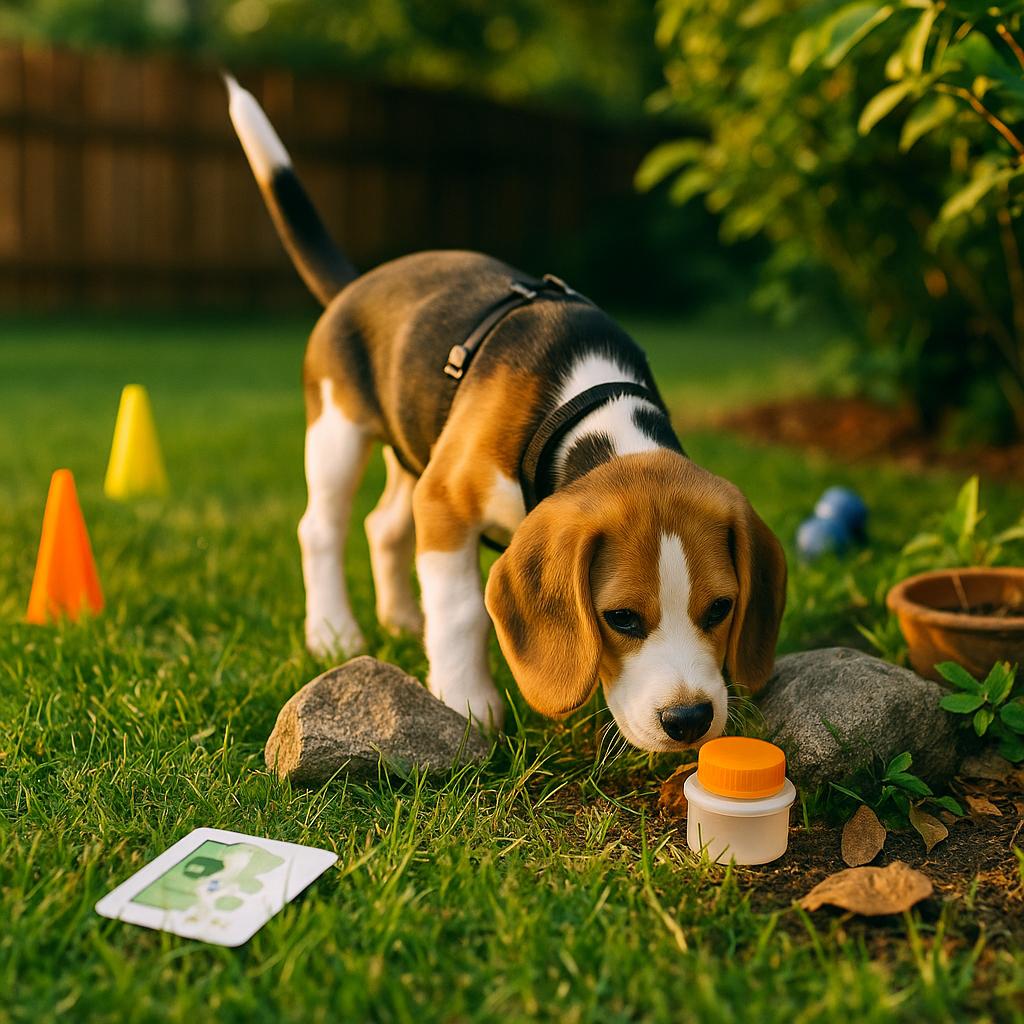
Table of Contents
What Is an Outdoor Dog Treasure Hunt?
A dog treasure hunt is a simple yet powerful enrichment game where you hide treats, toys, or specific scents in an outdoor area like a yard or park for your dog to find using their nose. It’s not about complex commands; it’s about empowering your dog to be a dog. By engaging their incredible sense of smell, you turn a simple patch of grass into a world of adventure, providing more mental stimulation than a standard walk.
This activity taps directly into their innate foraging instincts, a behavior that is both deeply satisfying and naturally calming for them. Think of it as a puzzle designed specifically for their primary sense, transforming them from a pet into a nose-first adventurer on a mission.
Why Dogs Love It (and Why You Will, Too)
The benefits of a dog treasure hunt go far beyond simple fun. It’s a holistic activity that meets core canine needs, resulting in a happier, more balanced companion.
- Meets Natural Needs: Dogs are born to sniff. This game provides a crucial outlet for their olfactory senses.
- Burns Mental Energy: Ten minutes of intense sniffing can be more tiring for a dog than a 30-minute run. A tired dog is a calm dog.
- Builds Confidence: Successfully finding “treasure” is a huge confidence booster, especially for timid dogs. This is a fantastic exercise to help a new puppy adjust to your home and feel secure.
- It’s Free and Flexible: No expensive gear is required. You can play anywhere, anytime, for as long as you want.
- Strengthens Your Bond: You become the provider of an incredibly fun and rewarding experience.
The Science Bit: Why Sniffing is a Superpower
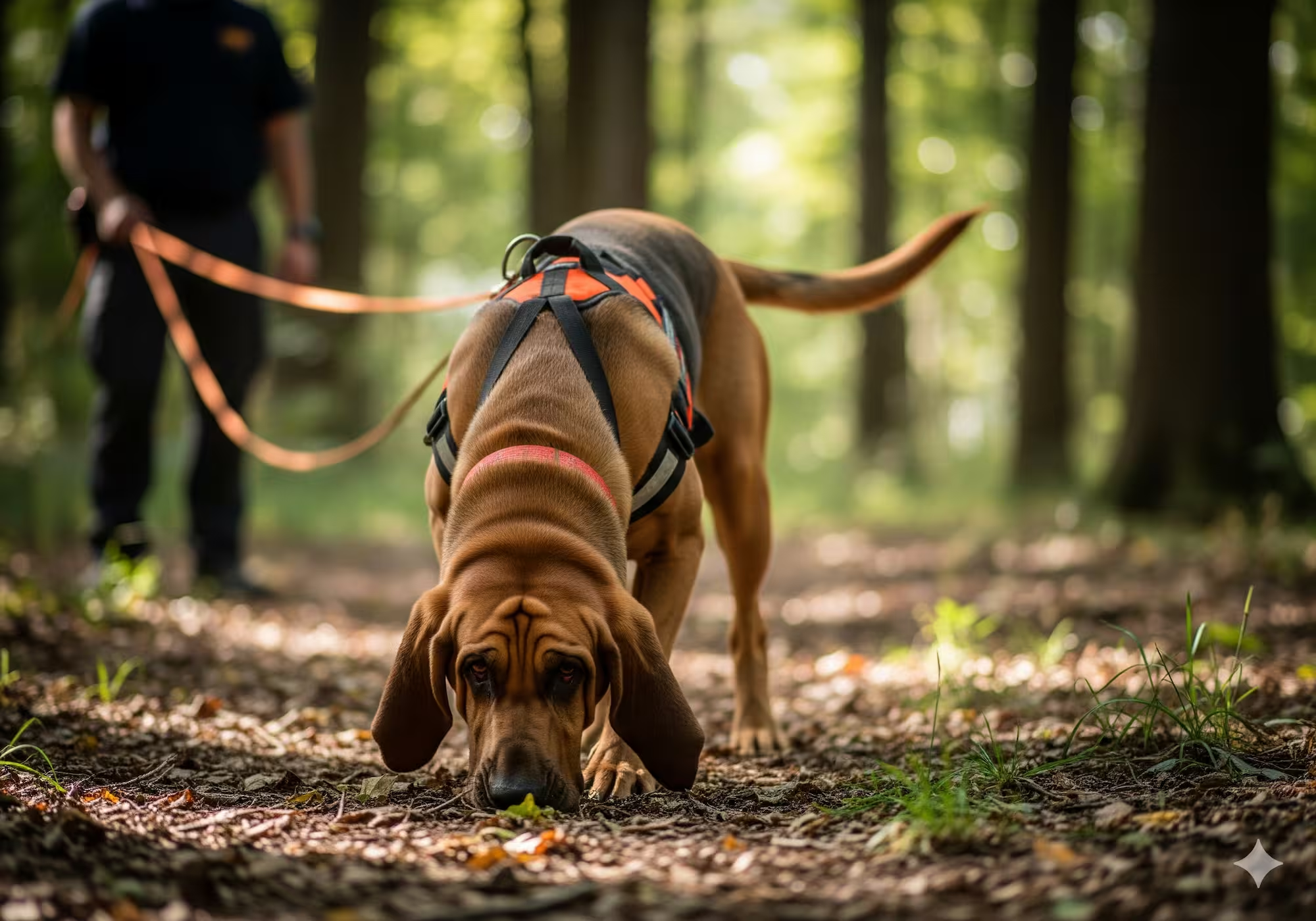
When a dog sniffs, they’re not just smelling—they’re processing a complex world of information. The act of sniffing has a measurable physiological effect. Research shows that allowing a dog to engage in scent work lowers their heart rate and cortisol (stress hormone) levels. This is why a “sniffy walk” is often more relaxing than a structured heel.
This game utilizes the core principles of operant conditioning: the dog performs a behavior (searching) and receives a reward (finds the treat). This creates a powerful feedback loop that makes them eager to play again. It’s pure positive reinforcement in its most natural form.
How-To: Your First Dog Treasure Hunt
Ready to get started? This beginner’s course takes just a few minutes to set up and guarantees a successful first hunt.
Step 1: Teach the “Find It!” Cue (3 Mins)
- Hold a high-value treat in your hand and say “Find It!” in an excited tone.
- As soon as they sniff your hand, open it and give them the treat.
- Repeat 3-4 times.
- Next, say “Find It!” and toss the treat a few feet away in plain sight. Cheer when they get it.
- You’ve now paired the cue with the action of searching and finding!
Step 2: The Beginner’s Course (Zero-Prep Hunt)
- Gather Supplies: Grab 5-10 small, smelly treats.
- Keep Your Dog Nearby: Have your dog wait in a “stay” or have someone hold their leash.
- Make Easy Hides: While your dog watches, place 3-4 treats on the ground in a small area (e.g., a 10×10 foot patch of grass). Make them obvious!
- Release and Cue: Walk back to your dog, point towards the area, and say “Find It!”.
- Celebrate Success: Cheer for every single find. Your energy makes it more exciting.
- The Jackpot: For the last find, place a small pile of treats or a favorite toy as a special “jackpot” reward.
Level Up the Challenge
Once your dog understands the game, you can gradually increase the difficulty using the principles of shaping in dog training. Introduce one new challenge at a time.
- Increase Distance: Hide treats further apart.
- Use Cover: Place treats behind a tree, under a leaf, or on a low branch.
- Introduce Elevation: Hide items on a bench, a large rock, or a tree stump.
- Age the Hides: Hide the treasures 5-10 minutes before you start the hunt, allowing the scent to disperse.
- Use the Wind: Hide treats upwind so your dog has to work harder to catch the scent cone.
- Blind Searches: Hide the treasures without your dog watching. This is the true test!
Ideas, Gear & Safety
Creativity makes the game endlessly repeatable. You don’t need fancy equipment; everyday items work perfectly.
Safety First Checklist
Be aware of your surroundings. Perform a quick check for leash laws, local wildlife, and toxic plants. Always carry water and check for ticks after playing in tall grass. Proper environmental control and management ensures the game stays fun and safe.Theme Ideas
A theme can make it more fun for the humans, especially kids! Try a “Pirate Pups” hunt for a “treasure chest” toy, or a “Secret Agent Sniffer” mission to find “intel” (a scented bandana).
Gear You Already Own
Use muffin tins, cardboard boxes, paper cups, or vented food containers to hold treats. These add an extra layer of challenge as your dog has to manipulate the object to get the reward.
For Puppies, Seniors, and Reactive Dogs
A dog treasure hunt is adaptable for any dog. The key is to adjust the difficulty to meet their needs and keep them comfortable.
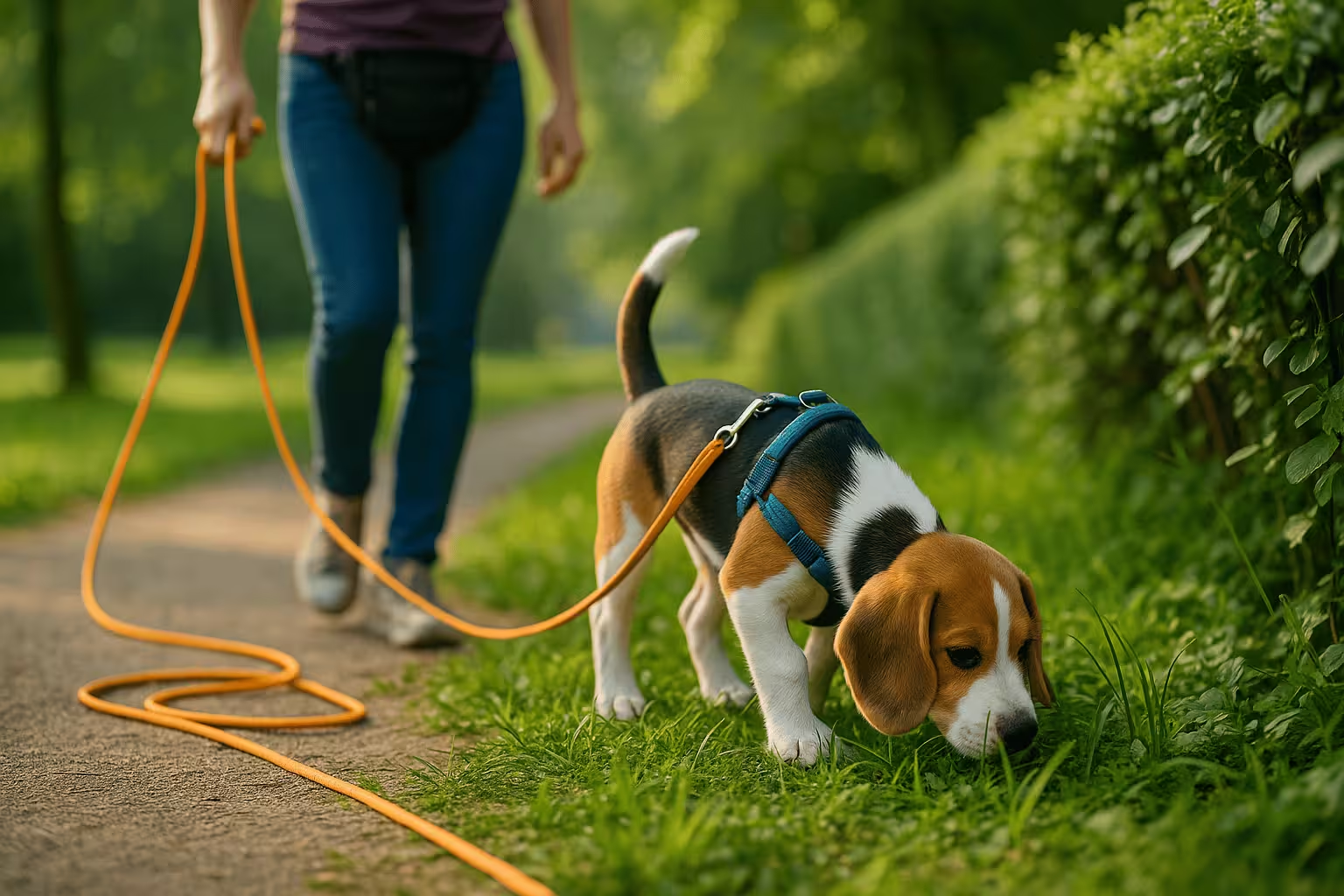
- Puppies: Keep sessions very short (2-3 minutes). This is a wonderful puppy socialization tool to build positive associations with new outdoor environments. It can also help teach kids how to interact gently with a puppy by giving them a helpful role.
- Seniors: This is a perfect low-impact activity. Keep hides at ground level and in a small, familiar area to prevent physical strain.
- Reactive or Anxious Dogs: Scent work is incredibly therapeutic. Play in a quiet, secure location where they won’t be surprised by triggers. It helps lower arousal and is a key part of threshold management. For a dog that is scared of everything, this game can build immense confidence by giving them a predictable, rewarding job to do.
Sniffing’s Calming Effect vs. Other Activities
Troubleshooting Sniff “Stalls”
The Fix: The difficulty is too high. Go back to basics! Make the hides incredibly easy—even letting your dog watch you place the treats. Use a higher-value, smellier treat. Your energy is also crucial; be an enthusiastic cheerleader for every small success.
The Fix: This is normal! Start in a less distracting, familiar area like your own backyard. You can also use a long line to gently guide them back toward the search area without pulling. Again, ensure your treats are more interesting than the environment.
The Fix: Focus on calm starts and finishes. Instead of tossing treats, place them deliberately. Scatter kibble in the grass (a “sniffari”) before and after the main hunt to encourage slower, more methodical sniffing. The goal is focused searching, not frantic gobbling.
Frequently Asked Questions
For beginners, start with short sessions of 5-10 minutes to build enthusiasm and prevent frustration. As your dog’s skills improve, you can extend the duration to 15-20 minutes. The goal is to end on a high note, leaving them wanting more, not exhausted.
Use high-value, smelly treats that your dog loves but doesn’t get every day. Small, soft, and fragrant options like freeze-dried liver, cheese, or small pieces of hot dog work best because their scent travels well. Avoid dry, crumbly biscuits that are harder to smell.
Absolutely! Indoor treasure hunts are a fantastic rainy-day activity and one of many great dog enrichment activities. Use different rooms, hide treats under mats or behind furniture, and use boxes or towels to create simple scent puzzles.
If your dog gets stuck, you’ve likely made it too difficult too quickly. Go back to basics. Make the hides extremely easy (even dropping treats in plain sight while they watch) and celebrate every find enthusiastically. This rebuilds confidence. You can also ‘seed’ the area by crumbling a few treats on the path to the main cache to keep them engaged.
You can play 2-4 times a week. It’s an excellent low-impact activity that provides significant mental stimulation. Listen to your dog; if they seem overly tired or less enthusiastic, give them a break. Variety is key, so mix it up with other forms of play and exercise.
Conclusion: Your Adventure Awaits
A dog treasure hunt is more than just a game—it’s a gateway to understanding your dog’s world. By providing this simple, powerful outlet, you’re not just burning energy; you’re building confidence, reducing anxiety, and creating a joyful shared experience. So grab some treats, head outside, and let your dog lead the way.

Christopher Quinn adopted his first dog, Loki, a spirited Border Collie/Jack Russell mix, after exiting Army service in the summer of 2012. That experience sparked a lifelong passion for canine behavior and positive reinforcement training.
He studied Principles of Dog Training & Behavior at Penn Foster and has since worked with hundreds of dogs from all backgrounds. Over the past two years, Christopher has fostered more than 30 rescue dogs, giving each one a chance at a better life.
Today, he continues to write, teach, and share insights on humane dog training, blending hands-on experience with a decade of dedicated study.