
Build Unshakeable Dog Water Retrieve Confidence with the Ladder Method
If your dog hesitates at the water’s edge or seems unsure about swimming retrieves, you’re not alone. This guide details the “Water Bumper Ladder,” a powerful, incremental method to build rock-solid dog water retrieve confidence.
By turning a daunting task into a series of tiny, achievable wins, you can foster a love for water work that’s built on trust, not pressure. This method is all about making the water fun and reinforcing success every step of the way.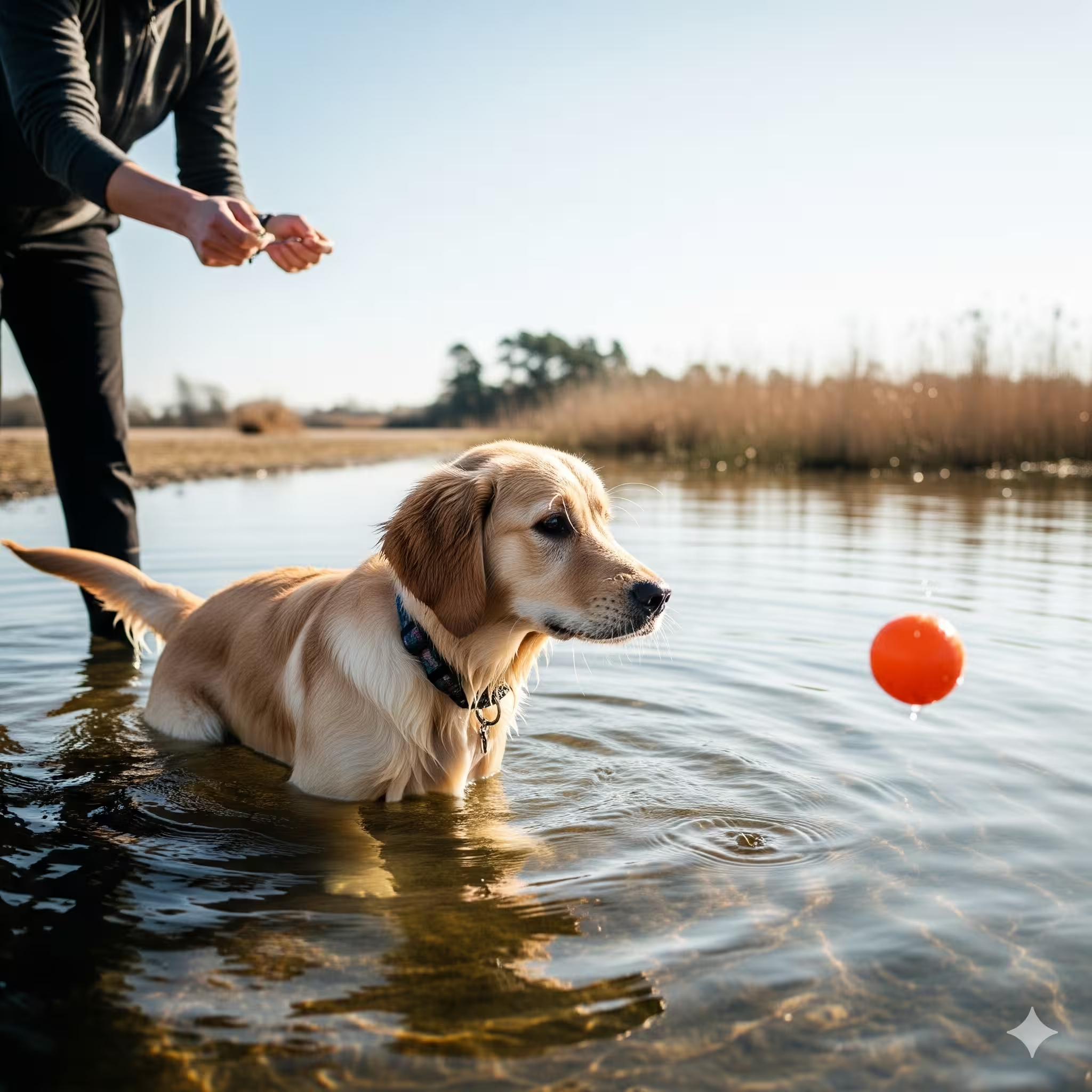 Find More Confidence-Building Games
How to Perform the Water Bumper Ladder
Estimated Time
5–10 minutes per session
Estimated Cost
$0 (if you own a bumper)
Difficulty
Intermediate
Required Materials:
- A high-value retrieving bumper or toy.
- A shallow, calm body of water with a gently sloping entry (e.g., a lake beach or pond edge).
- A long line or check cord (optional, for safety).
Step-by-Step Instructions:
- Start at the Edge: Begin with your dog on leash at the very edge of the water. The goal is to make the first retrieve incredibly easy. Effective environmental control, like choosing a non-distracting spot, is key here.
- The First “Step”: Toss the bumper just inches into the water, so your dog only needs to get their paws wet to grab it. Encourage them with an upbeat tone.
- Celebrate & Rest: When they grab it, praise them enthusiastically! Bring them back to shore and let them rest for 20-40 seconds. This short rest prevents fatigue and keeps excitement high.
- Climb the Ladder: On the next repetition, toss the bumper 2-3 feet further out than the last time. The key is gradual progression. If your dog gets it successfully, praise and rest.
- Repeat & Observe: Continue this pattern, adding a tiny bit of distance each time. Watch your dog’s body language. If you see hesitation, you’ve gone too far, too fast. Simply go back to the previous distance where they were successful for the next rep.
The Science Behind Building Water Confidence
The Water Bumper Ladder is a textbook example of shaping in dog training. Instead of asking for the final, complex behavior (a long swim retrieve), we reward successive approximations of it. Each successful, tiny step builds on the last, creating a powerful reinforcement history.
This process leverages the principles of operant conditioning. The fun of grabbing the bumper and receiving praise acts as positive reinforcement, making the act of entering the water more desirable. Crucially, by keeping the steps small, we engage in careful threshold management. We keep the dog in a thinking, engaged state of mind, well below the point of fear or anxiety, which is where true learning and confidence-building happen.
Confidence Ladder Progression
Hover over or focus on a bar to see details.
Troubleshooting Common Issues
Go back even further. Start by playing fetch on the sand or grass right next to the water. Let the bumper occasionally roll to the damp sand. The goal is to make the water’s edge a place of fun, not a place of pressure. Use the most basic principles of positive reinforcement 101 for any interaction with the water’s edge. If the fear is significant, consider methods for a puppy scared of everything.
This often means the session was one repetition too long or the last rep was too challenging. End on a high note! The next session, stop *before* you think they will quit. Make one or two incredibly easy retrieves and end the game with lots of praise. Keep sessions very short (2-3 minutes) to build enthusiasm and a desire for more, a key part of helping a new puppy adjust to new experiences.
Stop immediately if you see signs of stress: shaking (not from cold), lip licking, yawning, refusing the bumper, or frantic scanning. These are signals that your dog is over their threshold. End the session on a positive note if possible (e.g., one very easy land retrieve) and plan for the next session to be much, much easier.
Frequently Asked Questions
You can start building positive water associations as early as 8-12 weeks old, during the critical socialization period. Using a puppy socialization tool or checklist can help you track these positive exposures. Keep it playful and shallow, focusing on fun, not formal retrieves.
Yes, absolutely. This method is ideal for counter-conditioning because it works at the dog’s pace and rebuilds trust. The key is to be extremely patient and start from a point where the dog shows zero stress, even if that’s 50 feet from the water’s edge. Progress will be slower, but the foundation will be stronger.
Short, frequent sessions are more effective than long, infrequent ones. Aim for 2-3 sessions per week, each lasting only 5-10 minutes. This prevents burnout and keeps the dog looking forward to the next “water game.”
You can adapt this! Use a floating toy that can dispense treats, or simply toss a few high-value, floating treats (like some types of dry kibble or specific dog treats) just at the water’s edge. The principle of incremental steps remains the same.
Indirectly, yes. Structured games like this build impulse control and focus. The process of waiting for the cue, retrieving, and bringing the bumper back reinforces a calm, thinking state of mind. This foundational skill is essential when you want to teach a puppy to be gentle with kids and in other exciting scenarios.
Conclusion: Your Next Steps to Water Confidence
Building your dog’s water retrieve confidence is a journey of patience and positive reinforcement. The Water Bumper Ladder is not a quick fix but a reliable method for creating a resilient, enthusiastic swimming partner. Remember to keep sessions short, celebrate small victories, and always listen to your dog’s communication.
Once your dog is comfortable with this game, you can explore other fun and engaging dog enrichment activities to continue building their skills and your bond. The confidence they gain in the water will translate to other areas of their life.
Discover Your Dog’s Next Favorite Game
Christopher Quinn adopted his first dog, Loki, a spirited Border Collie/Jack Russell mix, after exiting Army service in the summer of 2012. That experience sparked a lifelong passion for canine behavior and positive reinforcement training.
He studied Principles of Dog Training & Behavior at Penn Foster and has since worked with hundreds of dogs from all backgrounds. Over the past two years, Christopher has fostered more than 30 rescue dogs, giving each one a chance at a better life.
Today, he continues to write, teach, and share insights on humane dog training, blending hands-on experience with a decade of dedicated study.