
Are you looking for a water activity that builds focus and self-control instead of frantic, over-the-top excitement? Enter the shoreline toll and retrieve, a game that channels your dog’s natural instincts into a structured, thoughtful exercise.
Perfect for retrievers, water-loving breeds, and any dog with good toy drive, the practice of toll retrieve cycles with a dog provides mental stimulation and physical fun without the chaos of endless high-arousal fetching. It’s one of the most effective and engaging dog enrichment activities you can do near the water.
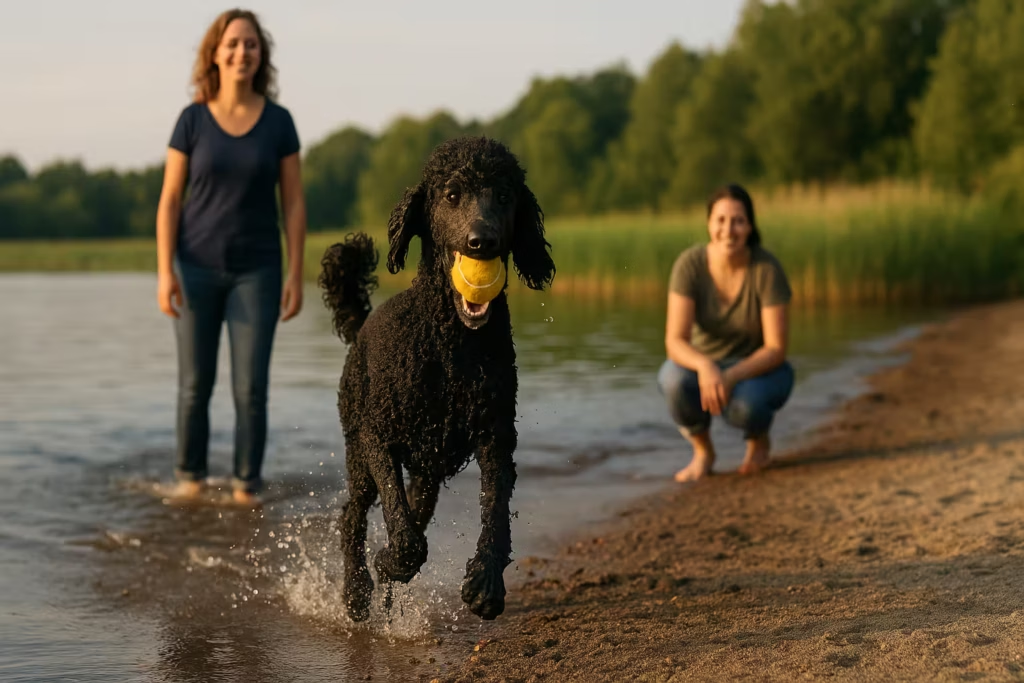
What Are Toll → Retrieve Cycles?
The concept originates from the unique hunting style of the Nova Scotia Duck Tolling Retriever. These clever dogs were developed to “toll”—a Middle English word for luring or enticing—ducks into shooting range. They do this by frolicking and splashing along the shoreline, making playful flicks with their tails and toys. Their unusual activity piques the curiosity of waterfowl, drawing them closer.
In our version, we adapt this behavior into a game of impulse control. A toll → retrieve cycle consists of three parts
This structured loop is the foundation for performing toll retrieve cycles with a dog.
Shoreline Toll → Retrieve Cycles
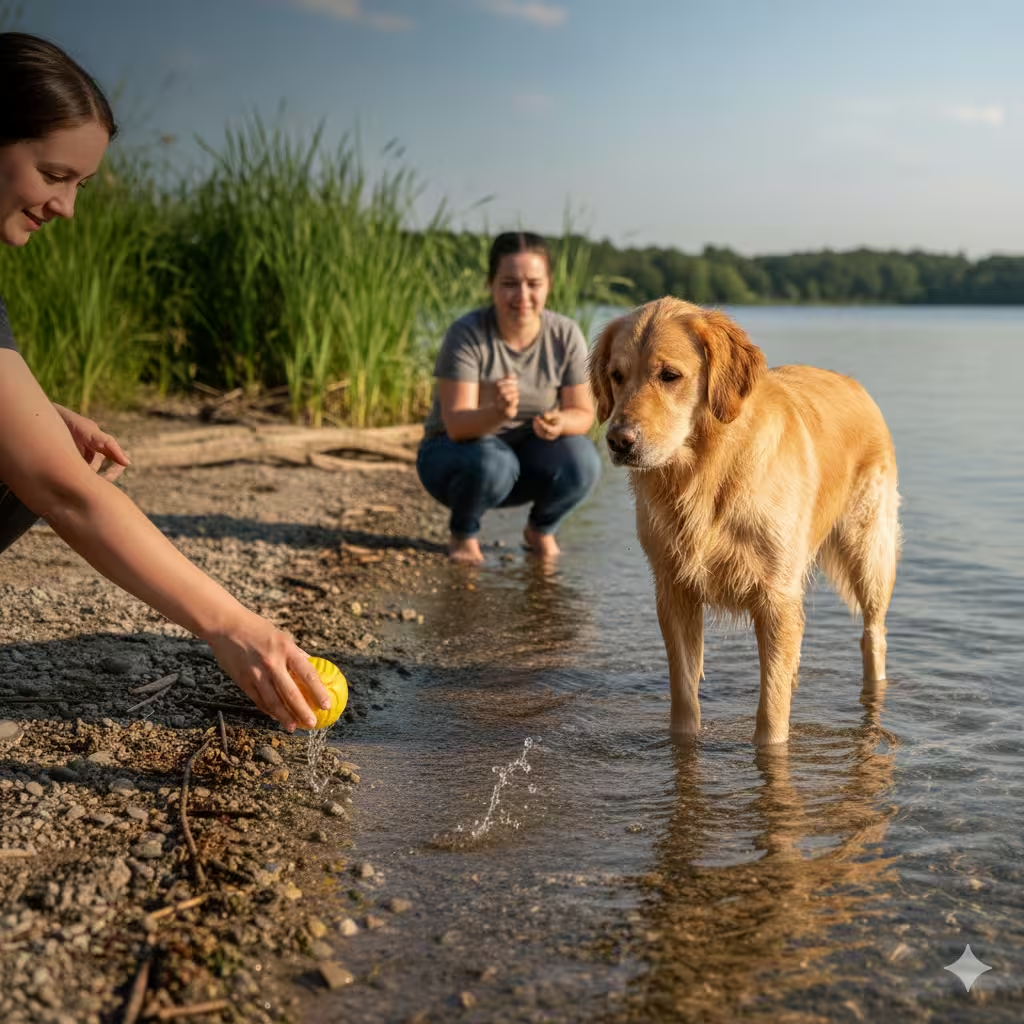
Create small, enticing splashes at the water’s edge while your dog calmly waits.

Release for a short, controlled fetch—just a few feet into the water.
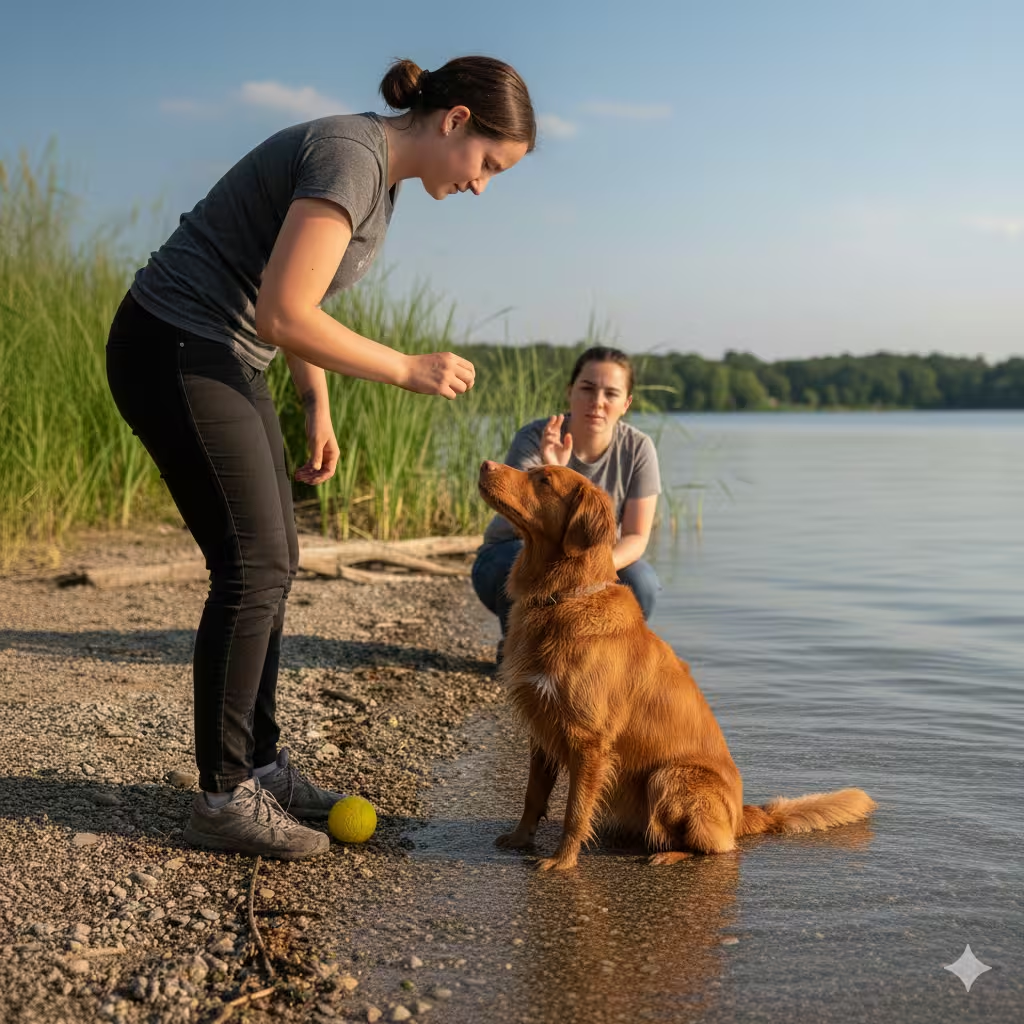
Dog returns the toy; both of you pause and breathe before the next cycle.
Goal: Engage curiosity without spiking arousal.
- Stand at the edge; tap the toy to make tiny splashes.
- Mark and reward calm watching (soft eyes, loose body).
- Reset if vocal, lunging, or fixated—lower intensity and try again.
Trainer tip: Shorten splash time and increase reinforcement for stillness.
Goal: Keep distances short to preserve control and confidence.
- Use a clear cue (for example, “Take it”). Release only from calm waiting.
- Start with 3–8 feet; avoid big throws at first.
- Reinforce a straight return; prevent victory laps.
Trainer tip: Throw parallel to shore if splashing triggers sprinting.
Goal: End each rep with composure to prevent arousal creep.
- Ask for a sit or stand-stay; mark soft eyes and a loose body.
- Trade the toy for a treat if needed to avoid tugging.
- Count a quiet 3–5 seconds before the next Toll.
Trainer tip: If excitement accumulates, extend reset time or take a brief sniff-walk break.
When to Use This Game
This isn’t about long-distance swimming or building endurance. It’s about building a thinking dog who can manage their excitement near water. In that regard, toll retrieve cycles with a dog are a powerful training tool. A typical session is short, lasting only 6 to 12 minutes. The goal is quality over quantity, ending the game while your dog is still engaged and successful.
Comparing Calm Cycles vs. Long Retrieves
Calm Toll → Retrieve Cycles
- Primary Goal: Impulse control, focus, calm
- Arousal Level: Low to medium; managed
- Throw Distance: 2–10 feet
- Pace: Slow, deliberate, with pauses
- Benefit: Builds a calm “off-switch”
Traditional Long Retrieves
- Primary Goal: Physical exercise, endurance
- Arousal Level: High to very high
- Throw Distance: 20–100+ feet
- Pace: Fast, repetitive, continuous
- Benefit: Vents high physical energy
Is Your Dog a Good Candidate?
While many dogs can enjoy this game, it’s important to assess if they are a good candidate before you begin to practice toll retrieve cycles with a dog.
Temperament & Training
A good candidate for this activity generally has:
- Toy Motivation: A strong interest in retrieving a specific toy.
- Water Comfort: They don’t need to be a champion swimmer, but they should be comfortable getting their paws wet without fear. If you have a puppy scared of everything, start with confidence-building on dry land first.
- Some Impulse Control: They don’t have to be perfect, but they should have a basic “wait” or “stay.”
- Good Recall: They reliably come back when called, even when excited.
Foundational skills are key. A dog who has benefited from a comprehensive puppy socialization tool will likely be more resilient to the new sounds and sensations of the shoreline. A dog with these foundational skills will have the most success with toll retrieve cycles with a dog. For newly adopted dogs, focus first on helping a new puppy adjust to your home before introducing stimulating new games.
Health & Safety Notes
Before you begin any toll retrieve cycles with a dog, prioritize safety. Learn how to introduce dogs to water, fit a life jacket, spot hazards (currents, cold shock, blue-green algae), and handle post-swim care.
- Age: Avoid this activity with very young puppies whose growth plates are still open. Generally, wait until they are 8–12 months old, and always keep sessions short.
- Health: Ensure your dog is in good physical condition and cleared by a vet for moderate activity.
- Water Temperature: Never force a dog into cold water. Cold water can lead to hypothermia quickly. If your dog is shivering or reluctant, end the session immediately. On hot days, practice in the morning or evening to avoid heatstroke. On cool days, watch closely for signs of hypothermia. End the session immediately if your dog is shivering.
- Supervision: This activity requires 100% active supervision. Never leave your dog unattended near water.
- Check for Hazards: Scan the shoreline and shallow water for broken glass, sharp rocks, fishing line, and other dangers.
- Know the Water: Be aware of currents, even in seemingly calm water. A long line is your best safety tool. Avoid areas with heavy boat traffic.
- Blue-Green Algae: As mentioned, this is a serious danger. Learn to identify it and always check water conditions before letting your dog enter. When in doubt, find a different spot.
- Vet Disclaimer: Always consult with your veterinarian before starting any new exercise program with your dog to ensure they are healthy enough for the activity.
Gear & Environment (Minimal but Critical)
You don’t need much to run toll retrieve cycles with a dog, but the right gear and location are essential for safety and success.
Essential Gear
Essential Gear Tabs
Floating Toy
Best choice: A flat, soft-edged floating toy (dummy/bumper). Easy to pick up in water and less likely to cause a hard splash.
Your location is just as important as your gear. A safe, low-distraction shoreline is critical for successful toll retrieve cycles with a dog. Look for a shoreline that has:
- Shallow Entry: A gentle, gradual slope into the water is safest.
- Good Footing: Sand or small, smooth pea gravel is ideal. Avoid sharp rocks, slippery mud, or sudden drop-offs.
- Clear Water: You should be able to see the bottom near the shore to spot potential hazards like broken glass, sharp rocks, or old fishing hooks.
- Low Distractions: Find a quiet spot away from off-leash dogs, busy boat launches, and crowded swimming areas. Mastering environmental control near water is key to keeping your dog focused and safe.
How-To: Run Calm Toll → Retrieve Cycles (Step-by-Step)
Ready to begin? Remember, the goal is calm control. Keep your energy low and your criteria clear. This process will guide you through your first toll retrieve cycles with a dog.
Time & Cost
- Typical Session: 6–12 minutes
- Estimated Cost: $25–$50 for a quality floating toy and waterproof long line.
Successful toll retrieve cycles with a dog
1. The Setup & The Toll
- Arrive Calmly: Approach the water’s edge with your dog on a loose leash. Let them acclimate for a minute. Reward calm behavior (sniffing, looking at you) with a quiet “good.”
- Attach the Long Line: Securely attach the long line to your dog’s harness. Hold the end or step on it to ensure they cannot bolt.
- Initiate the Toll: Ask your dog for a “sit” or “wait” at the edge of the water. Take the floating toy and flick it in the water right at the shoreline, making small splashes. Do this 2-3 times. The goal is to get their attention on the toy without them breaking their position.
- Reward Stillness: If your dog remains in position while you toll, mark the moment with a “yes!” and give them a treat or verbal praise. You are rewarding the waiting, not the retrieve (yet).
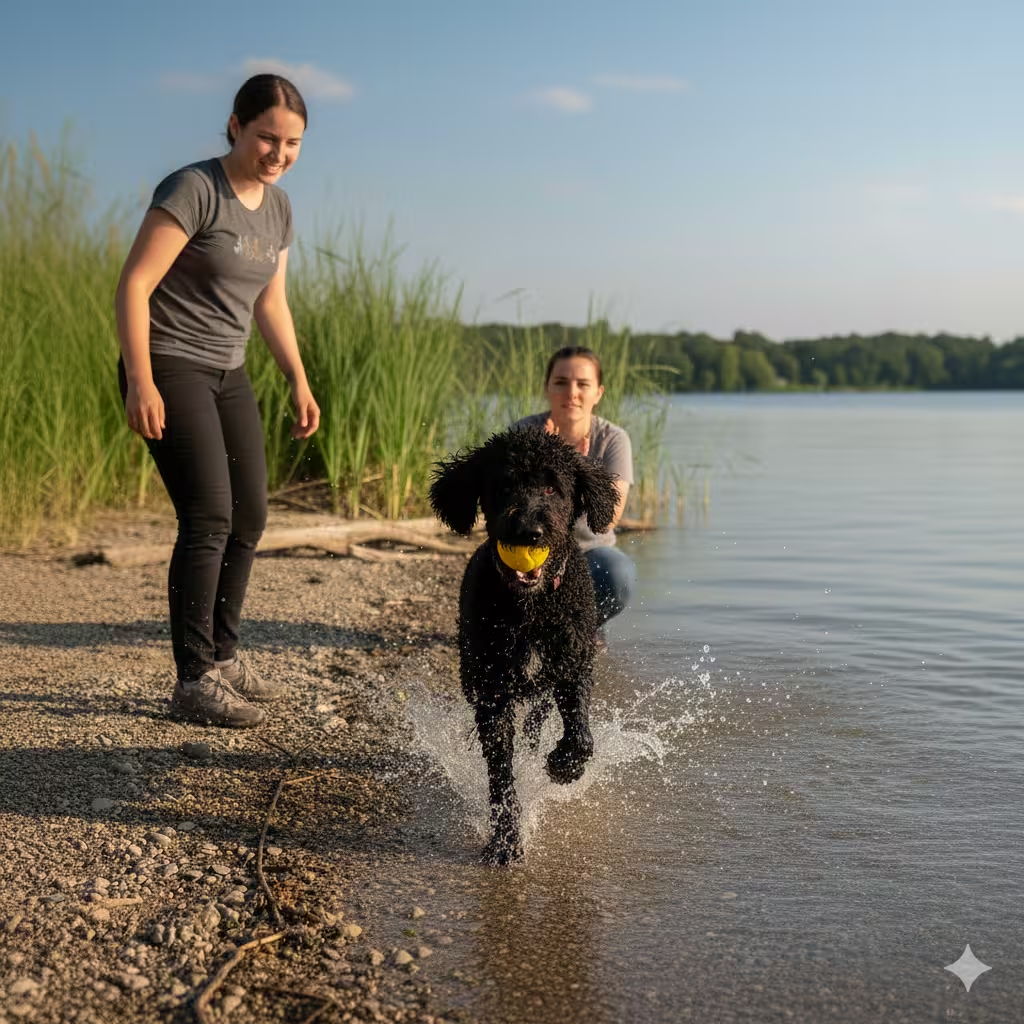
Successful toll retrieve cycles with a dog
2. The Micro-Retrieve
- The Tiny Toss: After a successful toll, toss the toy just 1-2 feet into the water, where they only need to get their paws wet to grab it.
- The Release: Give your release cue (e.g., “Get it!”). Let them go for the toy. Because the throw is so short, it should be a quick, simple action.
- The Return: Encourage your dog to bring the toy straight back to you. Use a happy, encouraging tone. Avoid chasing them if they run off with it.
Successful toll retrieve cycles with a dog
3. The Reset
- Trade or Drop: Have your dog drop the toy or trade it for a high-value treat.
- Calm Down: Before starting the next cycle, take a 30-60 second pause. Ask for another sit or just wait for your dog to offer calm behavior. This pause is the most important part for preventing over-arousal.
- Repeat or End: Run just 2-4 of these calm cycles in your first session. Always end the game on a high note, before your dog gets tired or overly excited. This is the essence of successful toll retrieve cycles with a dog.
Ready-to-Print Checklist
Before You Go:
- Check weather and water temperature.
- Pack floating toy, long line, harness, towel, and fresh water.
- Choose a safe, low-distraction shoreline.
During the Session:
- Keep dog on a long line for safety.
- Start with a calm arrival and acclimation.
- Reward calm waiting during the “toll.”
- Keep throws extremely short (1-5 feet).
- Take long, 30-60 second resets between each cycle.
- Run only 2-4 calm cycles per session.
After the Session:
- End the game before arousal spikes.
- Dry your dog off thoroughly.
- Offer fresh water.
- Check paws and coat for any debris.
Why It Works (Learning Theory in Plain English)
This activity is more than just a game; it’s a practical application of proven training science. Understanding why toll retrieve cycles with a dog are so effective can help you become a better trainer.
Core Training Concepts
Progressions & Variations
Once your dog has mastered the basic, calm toll retrieve cycles with a dog, you can slowly increase the difficulty.
- Increase Wait Time: Gradually extend the duration of the “toll” before you release your dog, building their impulse control.
- Increase Distance: Slowly increase the retrieve distance from a few feet to 10-15 feet. Go slowly—if your dog’s arousal spikes, you’ve gone too far, too fast.
- Add Formal Cues: Instead of just physically holding your dog, formalize the “Sit” and “Wait” cues. Add a clear release word like “Okay!” or “Get it!”
- Vary the Location: Practice at different shorelines with different substrates (sand vs. gravel) to help your dog generalize the skill.
- Introduce Mild Current: For advanced dogs, practicing in a very slow-moving, shallow creek can add a new challenge (with extreme caution and safety measures).
When NOT to progress: Do not increase difficulty if your dog is struggling with any part of the basic cycle. If they are breaking their stay, getting frantic, or failing to reset calmly, go back to the basics. Remember to progress slowly when advancing your toll retrieve cycles with a dog; the goal is always calm success.
Troubleshooting & FAQ
Click on a problem or question below to reveal the solution.
Common Problems
The Fix: Your throws are likely too long or the sessions are too long, pushing your dog over their arousal threshold. Shorten the retrieve to just 2-3 feet and take longer (1-2 minute) resets between cycles.
The Fix: End the session after just one or two successful, calm cycles. The goal is to end before the zoomies ever start.
When to stop/adjust: If your dog is consistently over-aroused, stop the game for the day. Re-evaluate your setup and try again another time with much lower criteria.
The Fix: You’re asking for too much, too soon. Start on dry land, 10 feet away from the water. Gradually move closer session by session.
The Fix: Use an extra-special floating toy that they only get to play with near the water. Make the water predict amazing things.
The Fix: Toss the toy on the sand right at the water line, so a tiny wave might touch it. Let the dog build confidence at their own pace. Never force them in.
When to stop/adjust: If the dog shows any signs of fear (tucked tail, lip licking, whale eye), stop immediately. Go back to a distance where they feel safe.
The Fix: Practice “trade” games on dry land with lower-value toys first. Teach your dog that giving up a toy results in something even better (like a high-value treat).
The Fix: Use two identical floating toys. When your dog returns with the first one, show them the second one to entice them to drop the first.
When to stop/adjust: If the guarding involves any stiffness, growling, or hard staring, consult a certified professional dog trainer. This can be a serious issue that requires expert guidance.
The Fix: Go back to basics: location, location, location. Find a more secluded spot where you can be successful. Managing the environment is your first priority.
The Fix: Use a higher-value toy that is more interesting than the distractions.
The Fix: Keep the long line on and your sessions extra short. The ability to stay focused is like a muscle; build it up slowly.
It’s also important to understand how to teach a puppy to be gentle with kids and other people in general to manage these public interactions.
When to stop/adjust: If the environment is too distracting for your dog to focus at all, pack it in and try a quieter location next time.
The Fix: Shivering can be from cold, excitement, or anxiety. End the session immediately. Dry your dog thoroughly and get them warm.
The Fix: Keep future sessions much shorter. A dog’s ability to regulate their body temperature can vary.
When to stop/adjust: Any shivering is a sign to stop immediately. For dogs with short coats or low body fat, consider a neoprene vest for future sessions in cool water.
Frequently Asked Questions
A good rule of thumb is the “100 Degree Rule”: if the air temperature and water temperature added together are less than 100°F, the water may be too cold for prolonged exposure for many dogs. For this short game, you have more leeway, but if the water feels uncomfortably cold to you, it’s too cold for your dog. Always watch your dog for signs of being cold, like shivering or reluctance.
It’s best to wait until a puppy is at least 8 months old and has closed growth plates. For very young puppies (2-6 months), you can play a similar game on dry land to build the foundations of impulse control without the physical stress of water work.
Flat, soft floating bumpers, discs, or dummies are ideal. Avoid hard plastic toys that can hurt their mouth or round balls that can be a choking hazard or difficult to pick up in water. The toy should be highly visible and easy to grab.
Because these sessions are short and low-impact, you could do them 2-3 times per week. The key is to keep them novel and fun, not a drill. Quality is always more important than quantity.
Excellent question. Blue-green algae (cyanobacteria) is extremely toxic to dogs and can be fatal. Never let your dog swim in or drink from water that has a slimy, scummy, or paint-like appearance on the surface. If you are in doubt, stay out. Check local health department websites for any active algae bloom warnings in your area.
This exercise isn’t about swimming ability; it’s about brain work. It teaches your dog to be calm and thoughtful in an exciting environment. This impulse control can translate to better behavior in all areas of life, from waiting politely at the door to ignoring distractions on a walk.
Conclusion & Next Steps
Practicing toll retrieve cycles with a dog is a fantastic way to build your relationship, improve impulse control, and provide a deeply satisfying mental and physical outlet. By keeping sessions short, focusing on calmness, and prioritizing safety, you can transform a chaotic game of fetch into a thoughtful, controlled, and incredibly rewarding activity.
Remember, the goal isn’t a perfect retrieve; it’s a happy, thinking dog who looks to you for guidance, even when faced with the excitement of water.
Ready for more great ideas? Explore our complete collection of games and brain-work exercises in the Pup Command Interactive Enrichment Hub!

Christopher Quinn adopted his first dog, Loki, a spirited Border Collie/Jack Russell mix, after exiting Army service in the summer of 2012. That experience sparked a lifelong passion for canine behavior and positive reinforcement training.
He studied Principles of Dog Training & Behavior at Penn Foster and has since worked with hundreds of dogs from all backgrounds. Over the past two years, Christopher has fostered more than 30 rescue dogs, giving each one a chance at a better life.
Today, he continues to write, teach, and share insights on humane dog training, blending hands-on experience with a decade of dedicated study.