
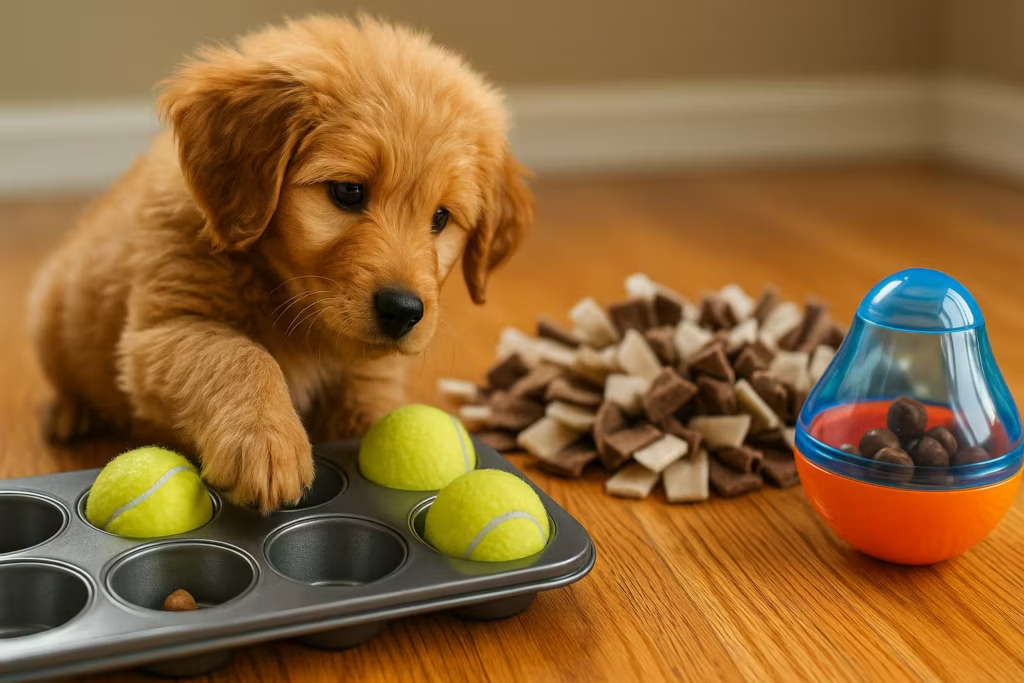
Watching a puppy explore the world is a joy. Every pounce, sniff, and clumsy tumble is part of a remarkable, unseen process: the rapid wiring of their brain. Understanding cognitive development in puppies isn’t just academic—it’s how you raise a confident, resilient companion.
This guide will walk you through the essential stages and provide practical puppy brain development exercises to help your new friend thrive.
Your puppy’s brain is most plastic between 8 and 16 weeks, a critical learning window. During this time, they are forming lifelong associations about what is safe, what is scary, and how to interact with the world. Positive experiences now will pay dividends for years to come.
When Do Puppies Go Through Key Brain Development Stages?
Most rapid social learning occurs from 8–16 weeks. This is when puppies go through key brain development stages, and problem-solving skills accelerate with safe, structured novelty. The quality of their experiences during this time has a profound impact on their lifelong cognitive development in puppies.
Puppy Development Dashboard
Select your puppy’s adult size and use the slider to see how key metrics change with age. Values are a normalized 0–100 index for visualizing trends.
Signs Your Puppy is Learning and Problem-Solving
How can you tell the wheels are turning? Look for small but significant signs your puppy is learning and problem-solving. These might include:
- Hesitating to think before trying to get a toy from under the sofa.
- Remembering where you store the treats.
- Anticipating a walk when they see you grab the leash.
- Offering a “sit” or another known behavior to ask for something.
These moments are glimpses into their developing mind. Your role is to nurture this curiosity through targeted puppy brain development exercises.
Explore the longitudinal evidence on puppy cognitive development.
Socialization That Boosts Puppy Cognition
This is the prime time for gentle, positive socialization. It’s not about overwhelming them at a busy dog park, but about creating positive, controlled exposures to new sights, sounds, and surfaces.
Calm, Controlled Exposures
Simple socialization activities that boost puppy cognition include letting them walk on different textures (grass, pavement, a crinkly tarp), hear everyday household noises, and meet new people in a calm setting. A puppy that feels secure during this phase is better equipped to handle new situations later in life, a key goal for healthy cognitive development in puppies. If you notice your little one is easily spooked, learning how to properly socialize a shy puppy with strangers can build their confidence without causing more fear.
Puppy Brain Development Exercises
Short, daily puppy brain development exercises—sniffing games, beginner puzzles, and shaping—deliver more mental fatigue than long walks. Ten to fifteen minutes of focused mental work can be more tiring than a long walk. Here’s how to get started.
DIY Puppy Enrichment Ideas for Mental Stimulation
Enrichment is about creating opportunities for your puppy to engage in natural behaviors like sniffing, chewing, and shredding. It’s a cornerstone of healthy cognitive development in puppies. For more structured ideas and tools that can make a huge difference, exploring a curated list of evidence-based puppy enrichment products can give you a great starting point for building a mentally stimulating environment.
DIY Brain Games for Puppies
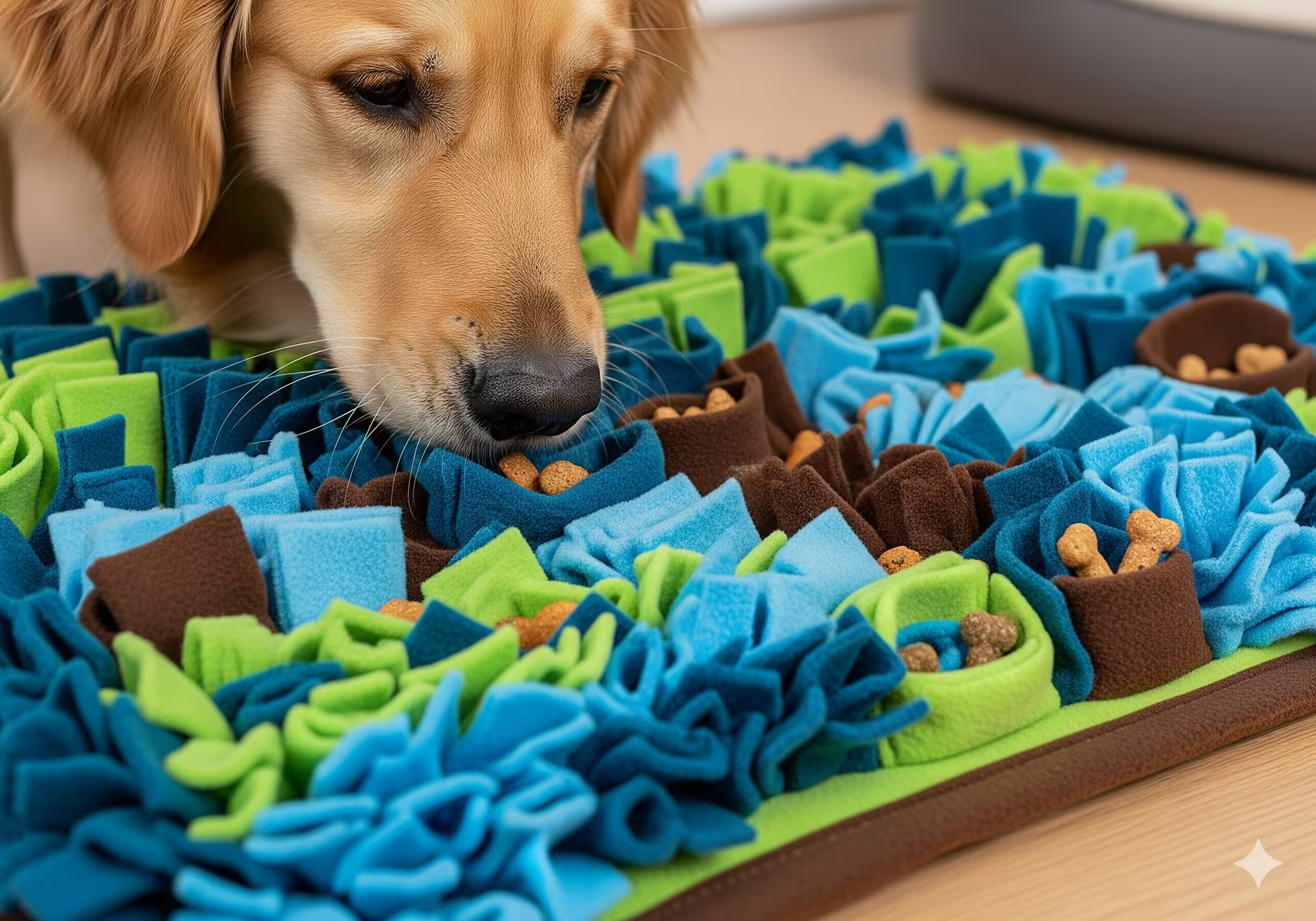
The Snuffle Box
Snuffle Box
How It Works
Grab a puppy-safe cardboard box and fill it with items like toilet paper rolls and packing paper. Sprinkle high-value treats inside and let your puppy sniff and forage to find them.
The Science
This DIY activity taps into a dog’s natural desire to hunt for food (contrafreeloading). Engaging their sense of smell provides crucial mental stimulation, which reduces boredom and destructive behaviors.
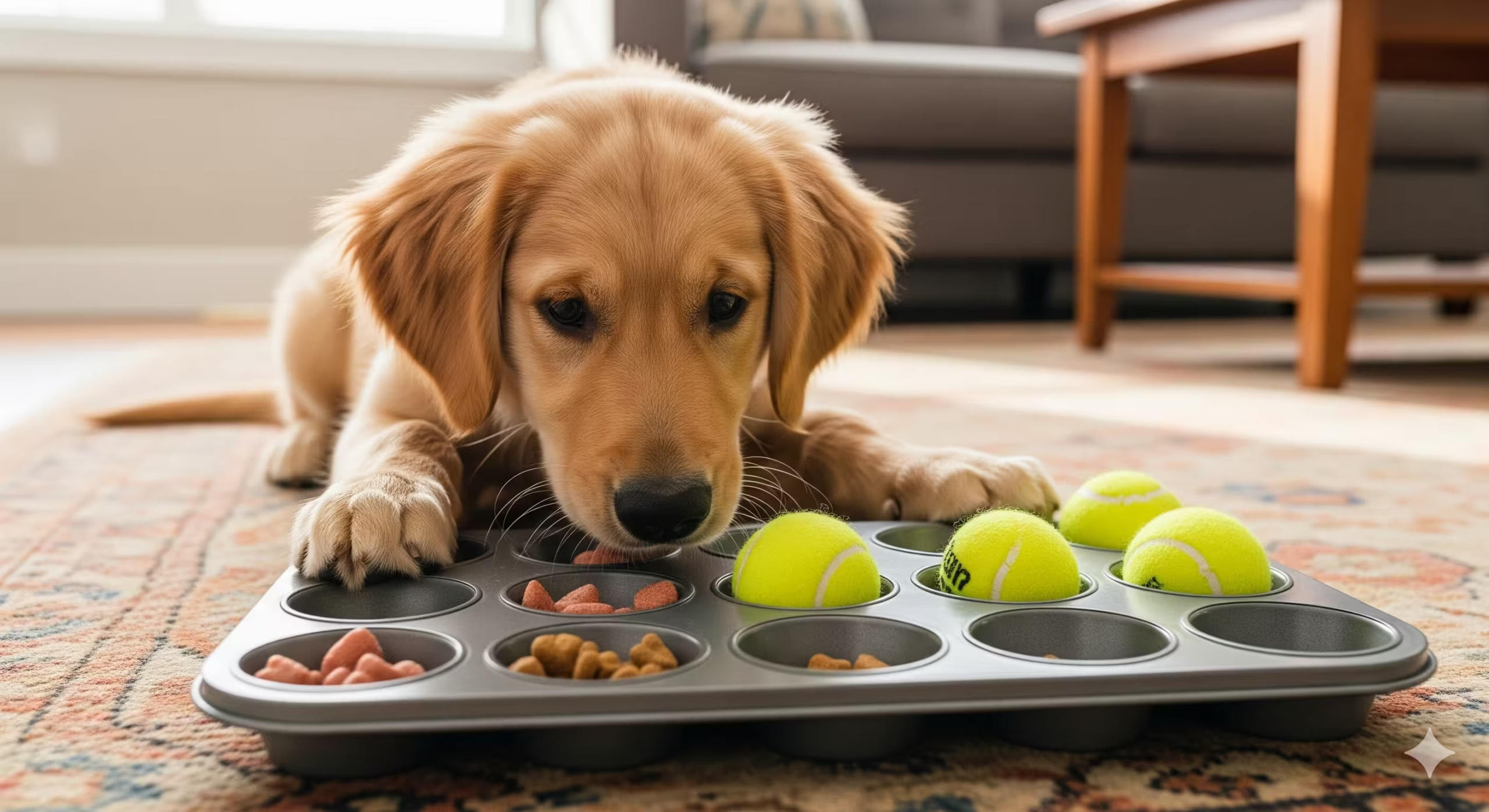
Muffin Tin Puzzles
Muffin Tin Puzzle
How to Play
Place a treat in a few cups of a muffin tin and cover all the cups with tennis balls or other safe toys. Your puppy must use their nose and paws to discover which cups hold the reward.
The Science
This indoor brain game encourages problem-solving skills and builds confidence. Scientifically, puzzle toys enhance canine cognitive function and provide a healthy outlet for mental energy.
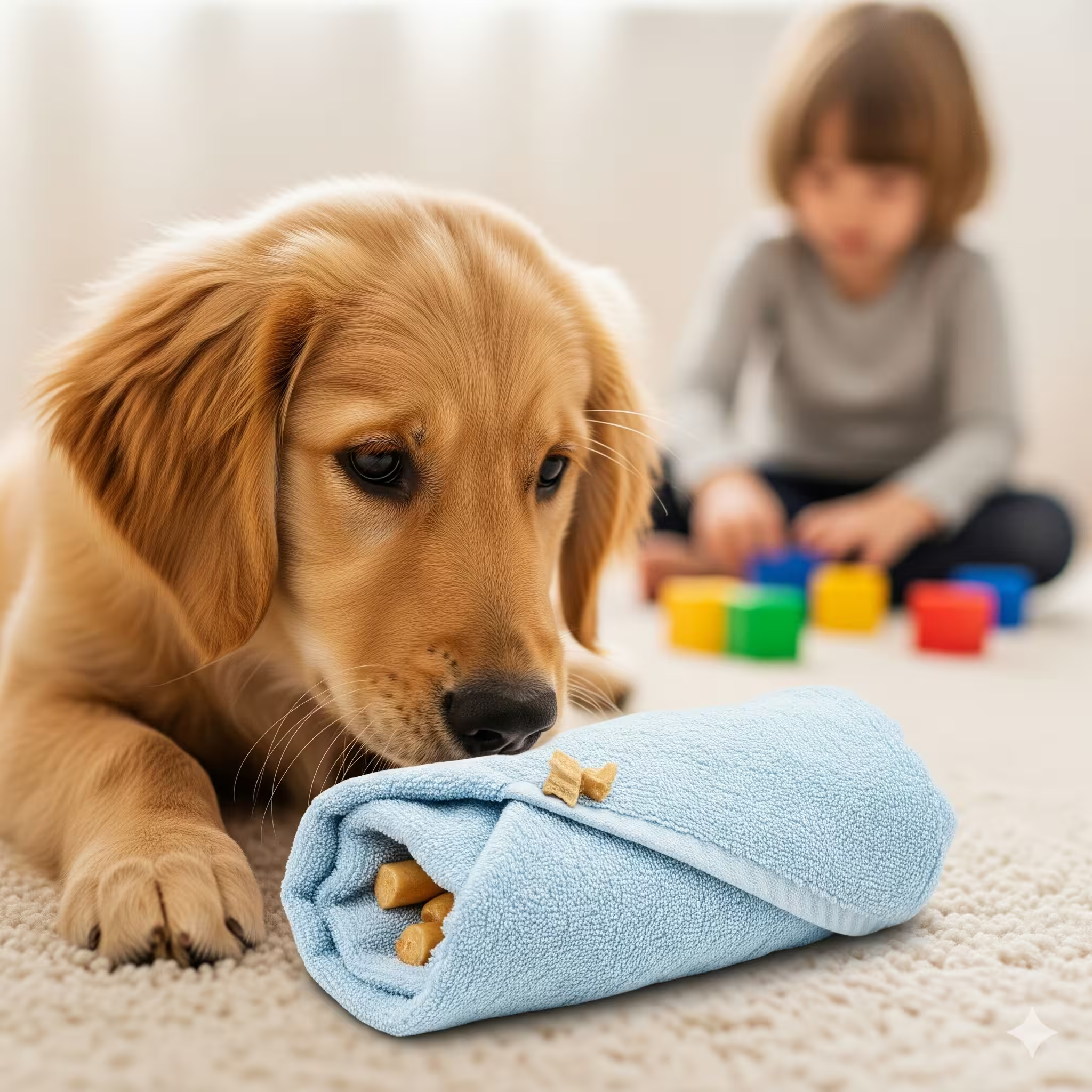
Towel Burrito Game
Towel Burrito
How It Works
Lay a towel flat, sprinkle treats across it, and then roll it up loosely. Your puppy will have to use its nose and paws to unroll the towel to get to the food inside.
The Science
This simple scent game satisfies a dog’s foraging instinct. Canine nose work is scientifically proven to be calming, as sniffing can lower their heart rate, making this a perfect quiet-time activity.
Puzzle Feeder Training for Puppy Cognitive Growth
Ditch the food bowl! Feeding one or two meals a day from a puzzle toy is one of the easiest and most effective puppy brain development exercises. Puzzle toys require puppies to think, problem-solve, and stay persistent to earn their food. This simple change turns mealtime into a brain-boosting session, building focus and frustration tolerance. Start with a beginner-level puzzle feeder and gradually increase the difficulty as your puppy gets the hang of it. This puzzle feeder training for puppy cognitive growth is a game-changer.
How Sniffing Builds Puppy Focus and Impulse Control
A puppy’s nose is incredibly powerful. Engaging it through scent work is an amazing way to build focus. A simple “find it” game, where you hide a treat and encourage your puppy to find it, teaches them to concentrate on a single task. These “sniffaris” on walks, where you let your puppy lead with their nose, are mentally tiring and deeply fulfilling for them.
See how environmental enrichment influences dog behavior.
This is how sniffing builds puppy focus and impulse control by allowing them to engage their primary sense in a productive way. If leash pulling is an issue during these sniff-walks, working on loose-leash walking techniques ensures the experience is pleasant for both of you.
Training as a Cognitive Workout for Dogs
Training isn’t just about obedience; it’s a powerful tool for shaping your puppy’s brain. Keeping short training sessions for your puppy’s attention span (just 1-3 minutes) makes learning fun and effective.
Clicker Training, Marker Words, and Neuroplasticity
Clicker training is a fantastic method for enhancing cognitive development in puppies. The “click” acts as a precise marker, telling the puppy the exact moment they performed the correct behavior. This clear communication speeds up learning and is a great example of leveraging clicker training benefits for puppy neuroplasticity. Alternatively, a consistent marker word like “Yes!” can be just as effective.
The key is timing and consistency. These tools are invaluable when teaching foundational cues like the “stay” command, as it helps the puppy understand precisely what behavior is being rewarded. Learning to teach your puppy to stay builds critical impulse control.
Building Frustration Tolerance and Self-Control
Your goal is to raise a dog that can think for itself and manage its emotions. This starts in puppyhood with intentional exercises that foster robust cognitive development in puppies. Puppies have very little frustration tolerance. If something is difficult, they tend to give up or get nippy. Simple puppy brain development exercises can help.
Reinforcing Calm: Teach your puppy to settle on a mat. Reward them for simply lying calmly. This grows self-control. This skill is foundational for more advanced commands, such as when you teach the “place” command for dogs.
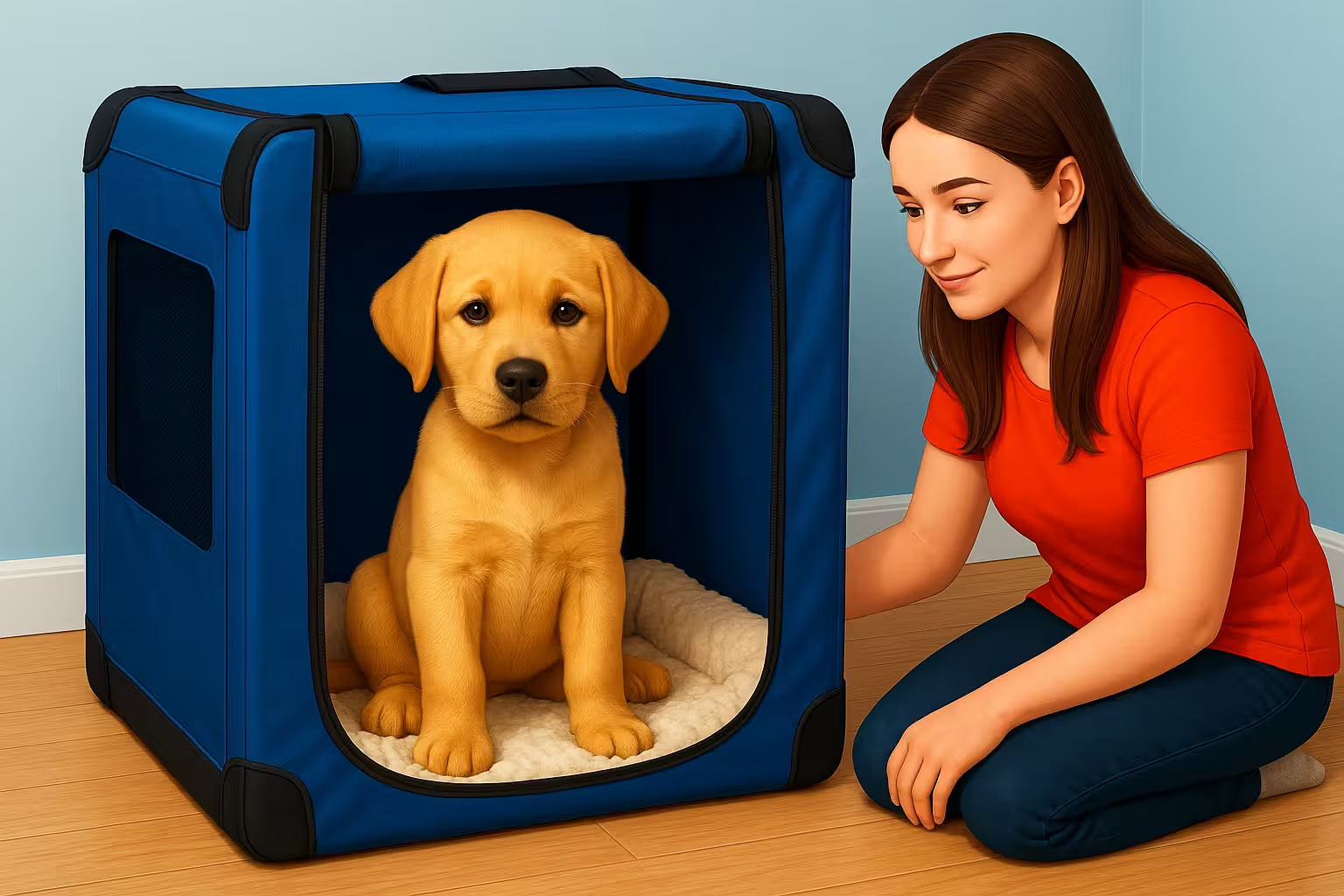
Confidence-Building Crate Games
Details
Positive Reinforcement is Key
Transform the crate into a fun sanctuary of learning and safety. By tossing a high-value treat in and allowing your puppy to go in and out freely, you actively build positive associations and boost their confidence.
Fun and engaging crate games can also make your overall house-training journey much smoother. This foundation is critical when you’re working on crate training a puppy through the night, ensuring they see their crate as a comfortable den, not a punishment.
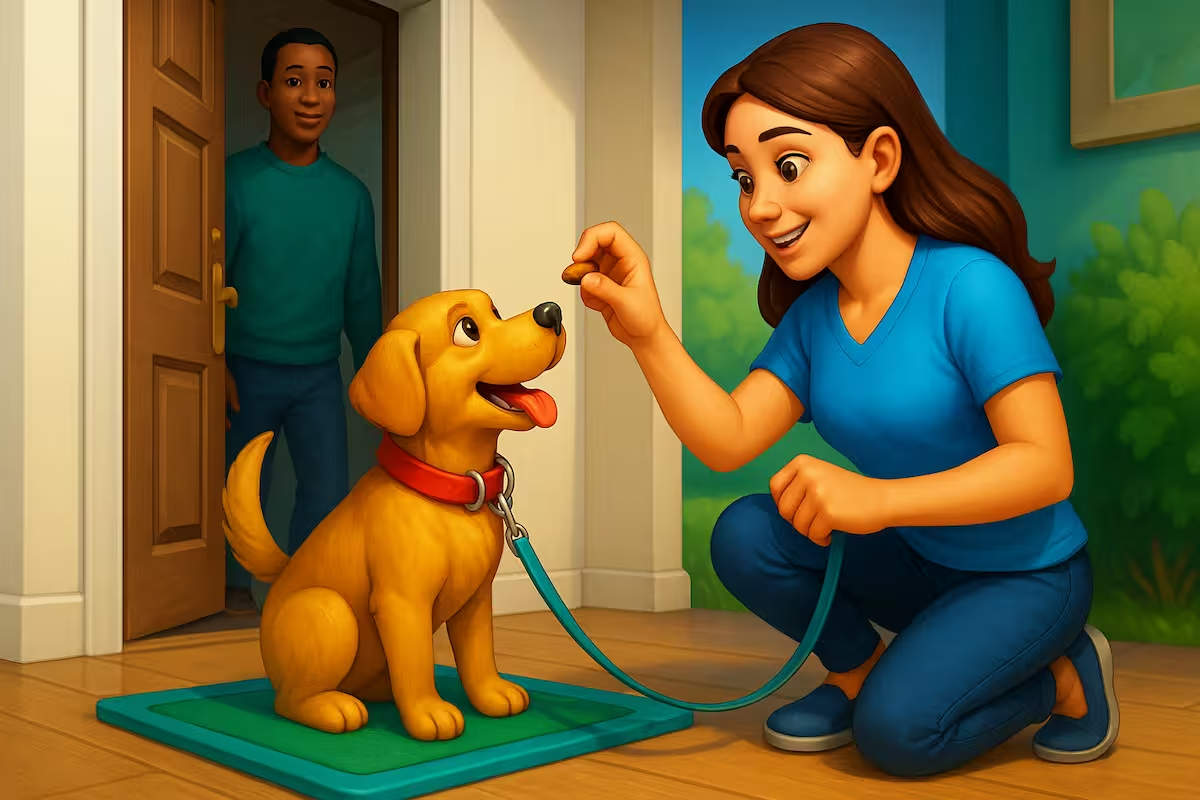
Teaching Polite Play & Bite Inhibition
Details
Setting Boundaries with Bite Inhibition
Play is a key way a puppy learns. To teach crucial boundaries, yelp softly and briefly withdraw your attention if your puppy’s teeth get too sharp. This feedback teaches them gentle mouth pressure, a concept known as bite inhibition. For persistent mouthiness, it’s helpful to have a plan to stop aggressive puppy biting.
Impulse Control and ‘Drop It’
You can also teach vital impulse control by asking your puppy to “drop it” in exchange for a higher-value treat. This is a crucial skill you can master when you teach your dog the “drop it” command, reinforcing calm and obedient behavior.
These small, daily interactions are fundamental. It’s also important to remember that this process is powered by positive reinforcement. Using rewards your puppy loves will make them an eager, active participant in their own learning. Understanding the principles behind positive reinforcement for puppy training is the most effective way to build a strong bond and a well-behaved dog. Consistent, kind guidance now, especially in households with children, will help you teach a puppy to be gentle with kids.
Ultimately, a thoughtful approach to potty training is also a cognitive exercise, teaching your puppy to communicate their needs and understand household rules. A system based on positive reinforcement, like the one outlined in this guide to potty training a puppy, respects their intelligence and sets them up for success.
Remember, every positive interaction is a building block for your puppy’s brain. By providing gentle guidance and fun challenges, you’re not just training a puppy—you’re nurturing their cognitive development in puppies for a lifetime of confidence. Explore our other guides to continue building a brilliant companion.
A Deeper Dive: The Psychology of Your 8–16 Week Old Puppy
This brief window in your puppy’s life is governed by powerful psychological principles. Understanding what’s happening inside their rapidly developing brain is the key to effective, humane training and raising a confident, well-adjusted adult dog.
Understanding Your Puppy’s Developing Mind
The Critical Socialization Period
From a psychological standpoint, this is less about play and more about data collection. Your puppy’s brain is building a catalogue of what is safe and normal. Positive exposure to various sounds, surfaces, people, and other dogs teaches them the world is generally safe, which is foundational for preventing anxiety later in life.
Learning Through Association
At this age, puppies are masters of association. Their brains are wired to connect an experience with an outcome (a process known as classical conditioning). This is why a crate paired with high-value treats becomes a safe den, while a leash that only predicts unpleasant tugging becomes a source of frustration.
The Fear Imprint Stage
Within this timeframe, a single frightening event can have a lasting impact. This isn’t a training failure; it’s a deeply ingrained survival mechanism. The puppy’s brain is programmed to learn quickly from threats to enhance survival. Your role is to manage their environment to prevent overwhelming negative experiences.
Rapid Puppy Neural Development
Your puppy’s brain is forming neural pathways at an astonishing rate. Every new, positive experience helps build a more complex and resilient brain. This neurological growth is the very reason why early, gentle exposure to novel stimuli is so crucial for their cognitive development and problem-solving skills.
Unlocking Your Puppy’s Potential: Cognitive Development in Puppies (8–16 Weeks Guide)

Watching a puppy explore the world is a joy. Every pounce, sniff, and clumsy tumble is part of a remarkable, unseen process: rapid brain wiring. Understanding cognitive development in puppies isn’t just academic—it’s how you raise a confident, resilient companion.
This guide walks you through essential stages and practical puppy brain development exercises to help your new friend thrive during the critical 8–16 week window.
The Critical Window (8–16 Weeks)
Your puppy’s brain is highly plastic between 8 and 16 weeks. In this period, they form lifelong associations about what is safe, what is scary, and how to interact with the world. Positive, well-managed experiences now pay dividends for years to come.
When Do Puppies Go Through Key Brain Development Stages?
Most rapid social learning occurs from 8–16 weeks. Problem-solving accelerates with safe, structured novelty. The quality of experience in this window profoundly impacts lifelong cognitive outcomes.
Puppy Development Dashboard
Select your puppy’s adult size and use the slider to see how key metrics change with age. Values are a normalized 0–100 index for visualizing trends.
Training Readiness Dashboard
Adjust the age to preview trends. (Example defaults shown below.)