
How to Teach a Dog to Find Items by Scent with Blind Retrieves
Want to unlock your dog’s most powerful natural ability? The “Hunt-Dead” or blind retrieve drill is a fantastic game to teach a dog to find items by scent, not sight. This exercise builds focus, confidence, and handler trust, turning a simple game of fetch into a rewarding mental challenge. It’s a foundational skill for more advanced nosework and a wonderful way to enrich your dog’s daily routine.
Explore More Scent Games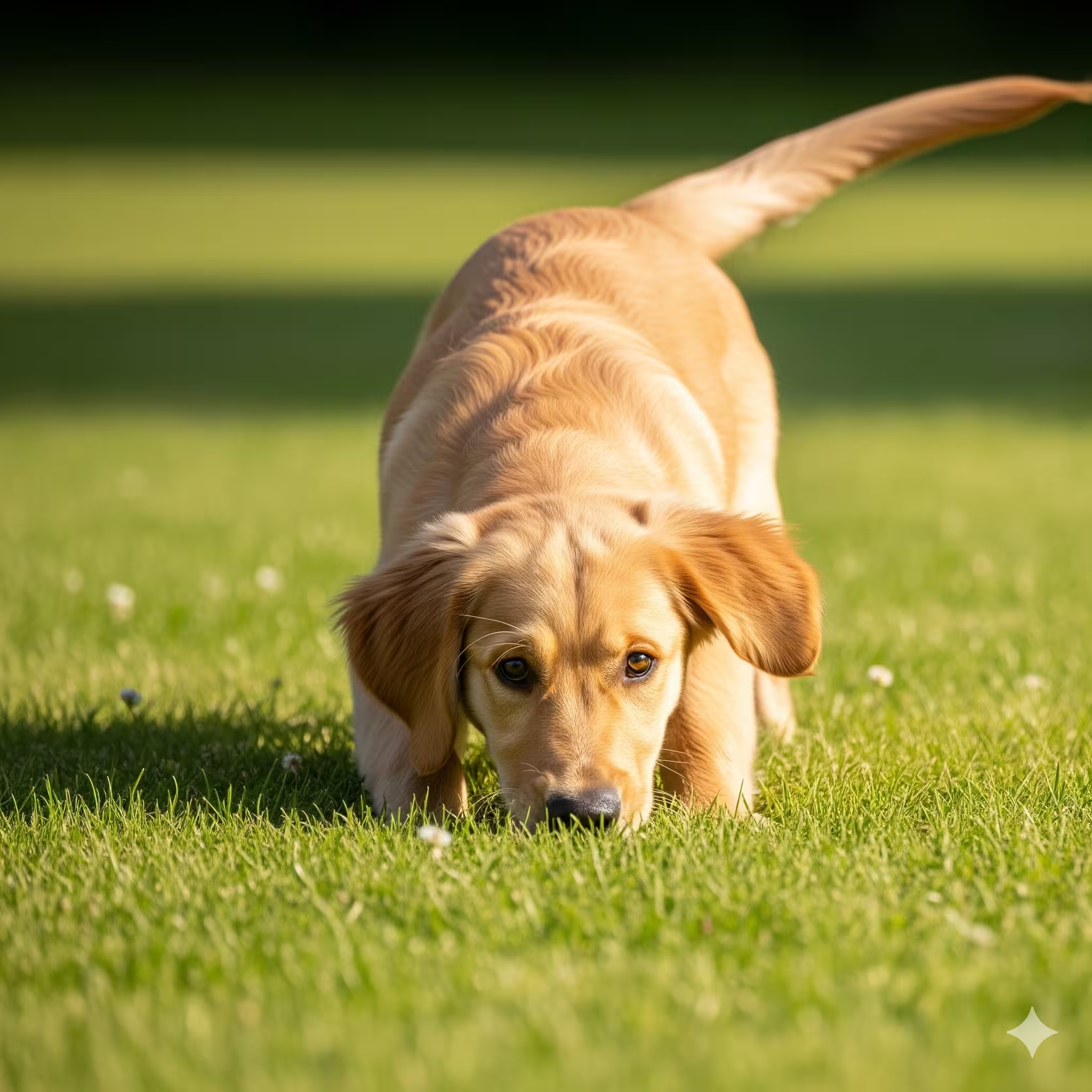
How to Play the “Hunt-Dead” Game
Estimated Time
2–5 minutes per session
Estimated Cost
$0 (if you own a toy)
Difficulty
Intermediate
Required Materials:
- A soft bumper or a favorite toy (canvas or fabric holds scent well).
- An area of short, cut grass where the toy can be mostly hidden.
Step-by-Step Instructions:
- The Blind Toss: With your dog next to you but facing away or otherwise occupied, gently toss the toy a short distance (10-15 feet) into the grass patch. They should not see where it lands. Proper environmental control, like having no other distracting toys around, is important.
- Give the Cue: Turn your dog towards the general area and give your cue, like “Find it!” or “Hunt dead!”. Use an encouraging, upbeat tone.
- Encourage the Search: Walk with your dog towards the area. Don’t point directly to the toy. Your goal is to reward them for using their nose. Praise them quietly (“good search…”) when you see their nose go down and they start searching a specific area.
- Celebrate the Find: The moment they pick up the toy, celebrate with lots of praise! This success is a powerful reward.
- Repeat & Increase Difficulty: After a few successful finds, you can gradually increase the distance or toss the toy into slightly thicker grass.
The Science of Scent Work
This exercise is a perfect introduction to scent discrimination. Because the dog doesn’t see the fall, they are forced to switch from their visual sense to their olfactory sense. This is a classic application of shaping in dog training; we aren’t teaching the dog *how* to smell, but we are shaping the behavior of *relying* on their nose to solve a problem.
The entire game is built on operant conditioning. The dog performs a behavior (searching with its nose) and is rewarded with a consequence it desires (finding the toy). This makes the searching behavior more likely to occur in the future. By keeping the challenge level appropriate, we use threshold management to prevent frustration and keep the dog engaged and learning.
Shifting from Sight to Scent
Hover over a stage to see the shift.
Troubleshooting Common Issues
This usually means the area is too big or the toss was too far. Make it much easier. Toss the toy just 5-10 feet away and walk with them directly to the area. Your presence helps them focus. Celebrate any small sniff in the right direction. This is a core principle of positive reinforcement 101—reward the small steps toward the goal.
This is a sign of frustration. You need to build their persistence. Go back to a few “easier” reps where they can see you toss it, then do just one very easy blind toss to end the session on a win. For a dog that lacks confidence, you may need to apply the same gentle principles used when helping a puppy scared of everything overcome challenges.
This is common! Your job is to be a supportive partner, not the answer key. Avoid making eye contact and instead, look at the ground in the search area yourself. Use your body language to indicate “the answer is down there.” When they finally put their nose down and start searching, that’s when you offer quiet verbal praise to let them know they’re on the right track.
Frequently Asked Questions
What kind of toy is best for this game?
A canvas or fabric dummy/bumper is ideal because it holds scent well and is easy for the dog to pick up. Avoid hard plastic toys at first, as they don’t retain scent as effectively. Using a consistent toy helps the dog learn what they’re looking for.
Can I play this game with a young puppy?
Yes, you can introduce a simplified version to puppies. Start at a very young age as part of their learning, just like using a puppy socialization tool for life experiences. Keep it extremely easy—let them see you toss it into slightly taller grass just a few feet away so they have to poke their nose in to find it. The goal is to build a positive association with searching.
How long should a session last?
Very short! 2-5 minutes, or just 3-4 repetitions, is perfect. It’s crucial to end the game while your dog is still excited and successful. This builds their desire to play again next time. It’s a great way to help a new puppy adjust by providing fun, confidence-building predictability.
What’s the next step after my dog masters this?
Once they’re successful in short grass, you can increase the difficulty. Try slightly taller grass, increase the distance of the toss, or play in a location with more distracting smells. This game is a gateway to all sorts of rewarding dog enrichment activities involving their nose.
Does this kind of focus work help with other training?
Absolutely. Games that require focus and problem-solving build impulse control. A dog that can concentrate on a scent problem is better equipped to concentrate on other tasks. This foundation is surprisingly helpful when you need to teach a puppy to be gentle with kids, as it reinforces a ‘thinking’ state of mind over a purely ‘reacting’ one.
Conclusion: A Powerful Tool for Your Dog’s Mind
The “Hunt-Dead” drill is more than just a game; it’s a direct line to your dog’s natural instincts. By learning to teach your dog to find items by scent, you provide incredible mental stimulation that tires them out just as much as physical exercise. It strengthens your bond by establishing you as a trusted partner in their favorite activity.
Keep sessions short, fun, and always end on a success. This simple game can unlock a new level of focus and confidence in your canine companion.
Find Your Dog’s Next Challenge
Christopher Quinn adopted his first dog, Loki, a spirited Border Collie/Jack Russell mix, after exiting Army service in the summer of 2012. That experience sparked a lifelong passion for canine behavior and positive reinforcement training.
He studied Principles of Dog Training & Behavior at Penn Foster and has since worked with hundreds of dogs from all backgrounds. Over the past two years, Christopher has fostered more than 30 rescue dogs, giving each one a chance at a better life.
Today, he continues to write, teach, and share insights on humane dog training, blending hands-on experience with a decade of dedicated study.