
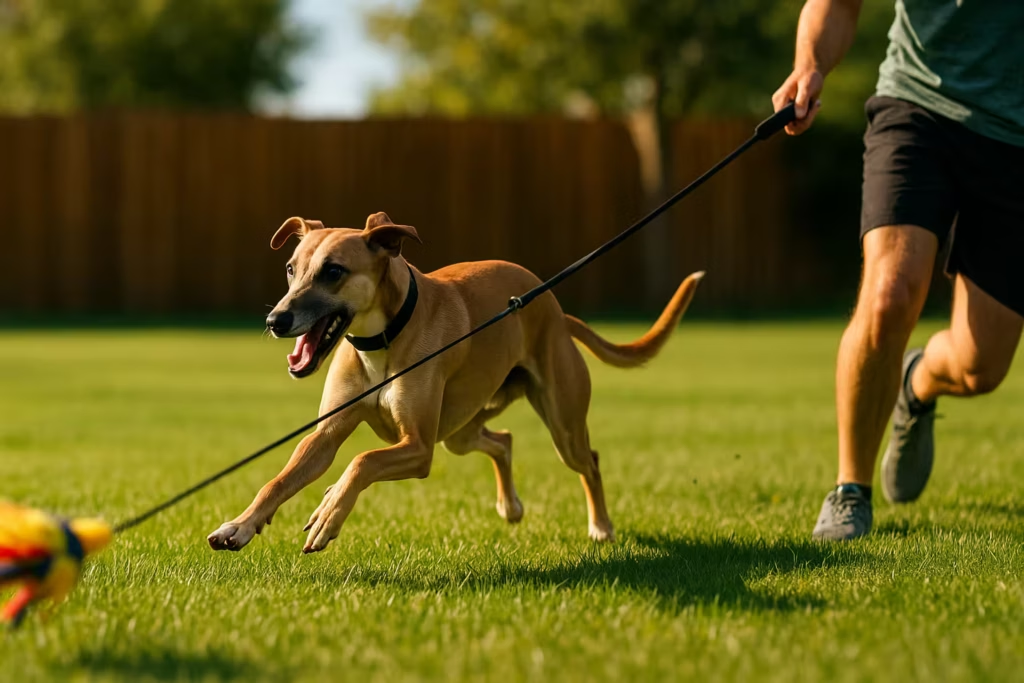
Is your dog a furry blur of motion, constantly seeking the next thrilling chase? Do they have energy to spare, even after a long walk? If so, you might be sitting on a goldmine of untapped potential that can be channeled into a fun, rewarding, and deeply instinctual activity. Welcome to the world of at home lure coursing, an incredible sport that you can bring right into your own backyard.
This guide will walk you through everything you need to know about lure coursing training at home with a flirt pole, a simple tool that can unlock a new level of connection and joy for you and your canine companion. We will focus on creating a safe and exciting routine, helping you and your dog master the fundamentals of this exhilarating activity.
What is at Home Lure Coursing and Why is it So Good for Your Dog?
At its heart, lure coursing is a sport for dogs that involves chasing a mechanically operated lure across a field, mimicking the chase of live prey. It’s a thrilling and safe outlet for a dog’s natural prey drive. But the benefits extend far beyond a simple game of chase.
Breed Performance in Flirt Pole Drills
Modeling how different breeds respond to sprint intensity.
This graph models how a dog’s engagement might change as a drill’s intensity increases. This is a core concept in **lure coursing sprint and recovery drills for dogs**. Notice how sighthounds excel at short bursts, while other breeds maintain stamina longer. Tailoring your **lure coursing training at home with a flirt pole** to your dog’s specific traits is key to keeping the activity fun, safe, and highly rewarding for them.
The Thrill of the Chase: Tapping into Instinct
For many dog breeds, especially sighthounds like Greyhounds and Whippets, the instinct to chase is deeply ingrained in their DNA. Providing a safe and appropriate outlet for this instinct is a cornerstone of responsible dog ownership. When a dog engages in a chase, their brain is flooded with feel-good chemicals like dopamine, making the activity itself incredibly rewarding.
By providing this outlet, you’re not just exercising their body; you’re nourishing their soul and allowing them to be who they were born to be. This is a fundamental aspect of providing good canine enrichment. For those looking for more ways to engage their dog’s mind, exploring a variety of activities can be incredibly beneficial and you can find some great ideas at the PupCommand Enrichment Hub.
Physical and Mental Benefits
The physical benefits of lure coursing are obvious: it’s a fantastic workout that builds muscle, improves cardiovascular health, and helps maintain a healthy weight. But the mental benefits are just as profound.
The intense focus required to track and chase the lure is a powerful form of mental stimulation. This can be particularly helpful for dogs who are prone to boredom or anxiety. A good session of lure coursing training at home with a flirt pole can leave your dog feeling calm, content, and mentally tired—a state of blissful exhaustion that a simple walk around the block can rarely achieve.
The Flirt Pole: Your Secret Weapon for Lure Coursing Training at Home
Key Success Factors (out of 100)
Top Breeds for Lure Coursing
- Greyhound
- Whippet
- Basenji
- Rhodesian
- Saluki
Hover over the image to see performance insights.
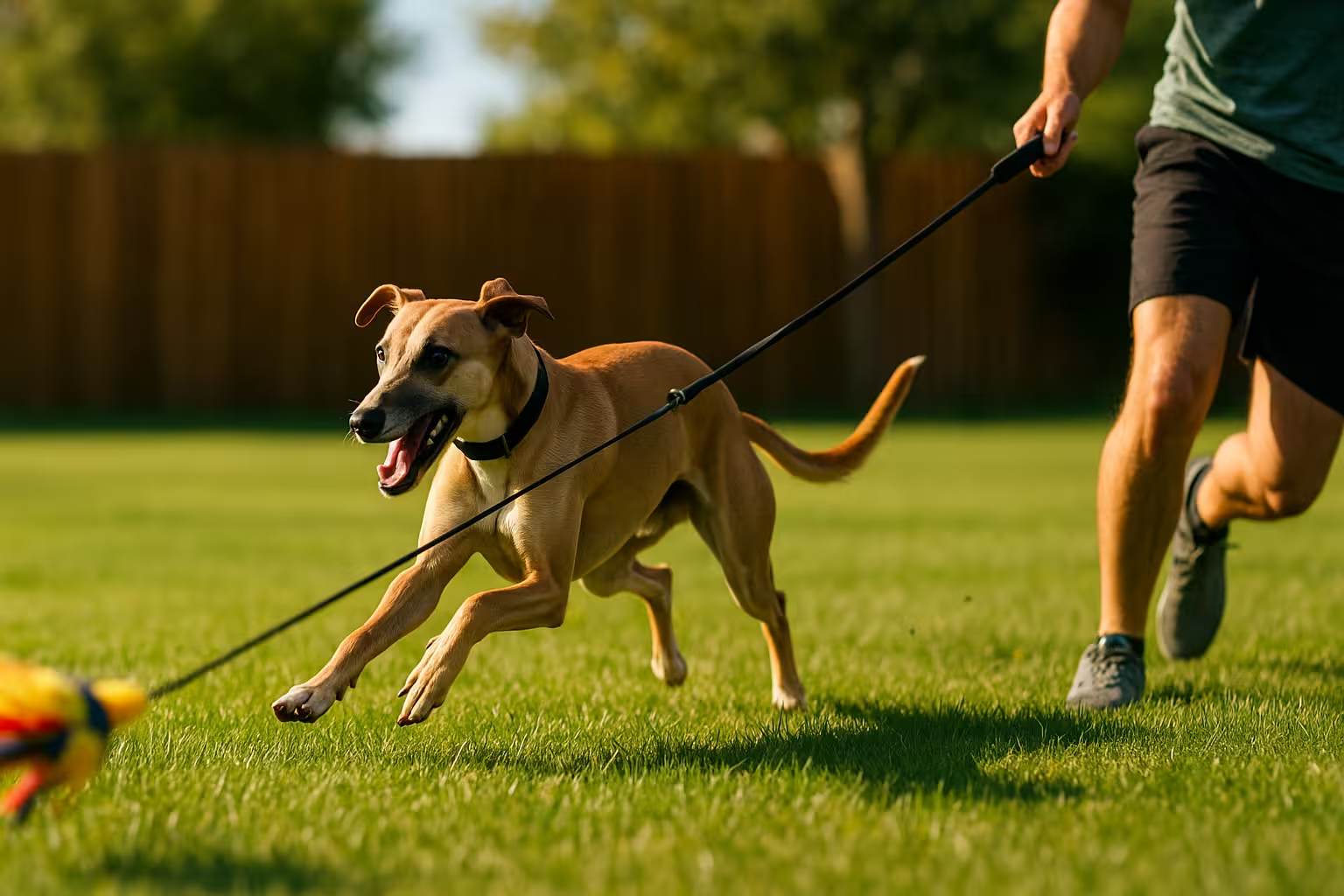
You don’t need a massive field and expensive equipment to get started with lure coursing. The humble flirt pole is an accessible and highly effective tool for bringing the thrill of the chase to your own backyard.
What is a Flirt Pole?
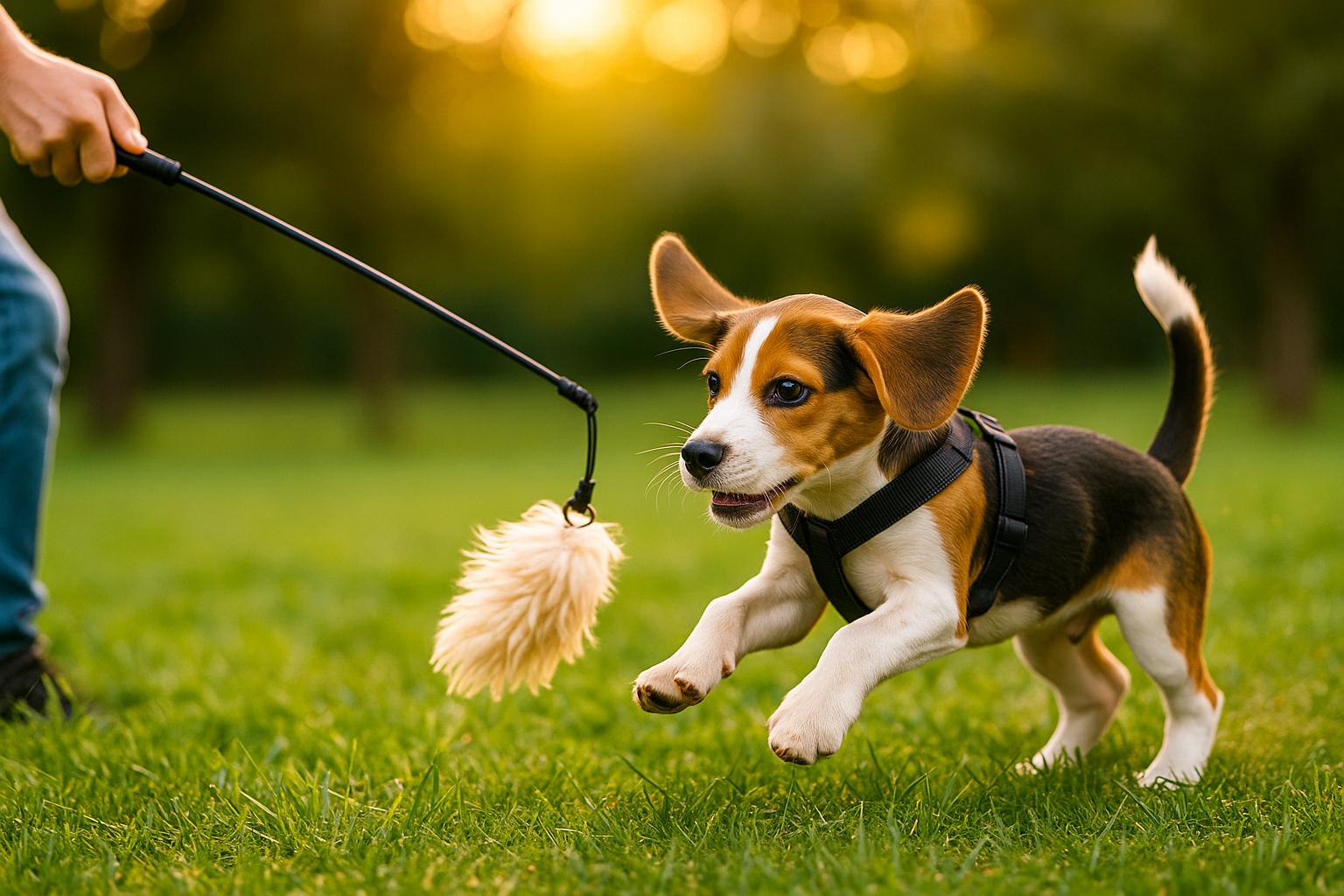
A flirt pole is essentially a giant cat toy for dogs. It consists of a long pole with a rope or bungee cord attached to the end, and a lure (like a toy or a piece of fabric) tied to the end of the rope. By moving the pole, you can make the lure skitter and dance across the ground, triggering your dog’s natural chase instinct. It’s a simple yet brilliant tool for controlled, high-intensity exercise.
Safety First: Choosing and Using a Flirt Pole Correctly
Before you begin, safety must be your top priority. Choose a flirt pole with a comfortable grip and a bungee cord to absorb some of the shock when your dog catches the lure. Ensure the area you’re playing in is free of obstacles and has good footing to prevent injuries. It’s also a great idea to teach your dog a solid “drop it” command, which is invaluable for getting them to release the lure safely.
Remember that the goal is for the dog to chase the lure, not to play a vigorous game of tug-of-war once it’s caught. If your dog gets overexcited and starts biting at the rope or pole, it might be a good idea to take a break and work on some calming exercises. Understanding and managing this kind of excitement is key to preventing aggressive puppy biting habits.
Mastering Lure Coursing Sprint and Recovery Drills for Dogs
The real magic of using a flirt pole for lure coursing lies in structuring your sessions into focused drills. This is where the concept of “sprint and recover” comes into play, turning a simple game of chase into a structured and highly effective training session. These lure coursing sprint and recovery drills for dogs are designed to maximize physical benefits while teaching your dog valuable impulse control.
The “Sprint” Phase: Building Speed and Drive
The sprint phase is all about the chase. Start by getting your dog excited about the lure. Drag it along the ground in short, enticing movements. Once your dog is focused, begin moving the lure in a large circle or a straight line away from them, encouraging them to sprint. Keep these sprints short and intense—no more than 30-60 seconds at a time. The goal is to build explosive speed and drive, not to run your dog to the point of exhaustion.
Your Secret Weapon for Lure Coursing
The Ultimate At-Home Training Tool
A flirt pole is a highly effective tool for at-home lure coursing, consisting of a pole, bungee cord, and lure. It safely simulates a chase, tapping into a dog’s innate prey drive.
Safety is crucial: Always choose a pole with a bungee to absorb shock and play in an obstacle-free area with good footing. Teaching a solid “drop it” command is vital for safely retrieving the lure, ensuring your lure coursing sessions are both thrilling and secure.
The “Recovery” Phase: The Importance of Cool-Downs
The recovery phase is just as important as the sprint. After each short sprint, the chase should stop. This is a crucial moment to teach your dog impulse control. The goal is for them to calm down and disengage from the lure.
You can ask for a simple behavior like a “sit” or a “down.” Teaching your puppy to “stay” can be incredibly helpful here, as it reinforces the idea of waiting calmly. This recovery period allows your dog’s heart rate to come down and prevents them from getting over-aroused. These lure coursing sprint and recovery drills for dogs are what make this activity a true training exercise, not just a game.
Step-by-Step Drills for Beginners
Warm-up (2-3 minutes): Start with a brisk walk or some gentle play to warm up your dog’s muscles.
Introduction to the Lure: Let your dog investigate the flirt pole and lure. Reward any calm curiosity with praise.
First Sprint (30 seconds): Move the lure to initiate a chase. Keep it fun and exciting.
First Recovery (1-2 minutes): Stop the lure. Ask for a simple command like “sit”. Praise and reward calm behavior. Using positive reinforcement in puppy training is key here to build a strong foundation.
Repeat: Go through 3-5 cycles of sprint and recovery.
Cool-down (5 minutes): End the session with a calm walk to help your dog’s body cool down properly.
This structured approach to lure coursing training at home with a flirt pole is what makes it so effective.
Advanced Techniques and Problem-Solving
Once your dog has mastered the basics, you can start to introduce more complexity into your sessions.
Adding Turns and Directional Changes
As your dog gets more proficient, you can start to make the lure’s path less predictable. Add sharp turns and sudden changes in direction to challenge their agility and focus. This more closely mimics the unpredictable movement of prey and makes the chase even more engaging. These advanced lure coursing sprint and recovery drills for dogs will keep the game fresh and exciting.
Troubleshooting Common Issues
Over-excitement: If your dog gets too frantic, shorten the sprint phases and lengthen the recovery periods. Focus on rewarding calm behavior. Teaching a solid “place” command can be a great tool for teaching a dog to settle during recovery.
Lack of Interest: If your dog isn’t interested in the lure, try a different type of toy. Some dogs prefer fluffy toys, while others prefer squeaky ones. Make the lure’s movements more enticing and prey-like. For a shy or fearful puppy who is scared of everything, introduce the flirt pole slowly and positively.
Possessiveness over the lure: This is where your “drop it” command comes in handy. Always trade the lure for a high-value treat, so your dog learns that giving it up is a good thing. Helping a shy puppy socialize with strangers and new objects is all about positive associations.
Integrating Flirt Pole Drills into Your Dog’s Routine
A few short sessions of lure coursing training at home with a flirt pole per week can make a huge difference in your dog’s overall well-being. These sessions are a fantastic way to burn off excess energy before you have guests over, or to provide a fun outlet on days when a long walk isn’t possible. It’s also a great way to build a stronger bond with your dog, as you’re engaging in an activity that they find deeply rewarding. For families with children, it’s important to supervise these sessions and teach both the dog and the kids how to interact safely. Teaching a puppy to be gentle with kids is a crucial part of responsible pet ownership.
In conclusion, lure coursing sprint and recovery drills for dogs are more than just a fun game. They are a powerful tool for physical exercise, mental enrichment, and confidence-building. By incorporating lure coursing training at home with a flirt pole into your routine, you can provide your dog with a safe and satisfying outlet for their natural instincts, leading to a happier, healthier, and more well-behaved companion. So grab a flirt pole, head outside, and get ready to unlock a new level of fun with your furry best friend.

Christopher Quinn adopted his first dog, Loki, a spirited Border Collie/Jack Russell mix, after exiting Army service in the summer of 2012. That experience sparked a lifelong passion for canine behavior and positive reinforcement training.
He studied Principles of Dog Training & Behavior at Penn Foster and has since worked with hundreds of dogs from all backgrounds. Over the past two years, Christopher has fostered more than 30 rescue dogs, giving each one a chance at a better life.
Today, he continues to write, teach, and share insights on humane dog training, blending hands-on experience with a decade of dedicated study.