
Mastering Blind Retrieve Dog Training: The Memory-to-Cone Drill
Bridge the gap from simple fetch to advanced off-leash work. This guide breaks down a pivotal exercise in blind retrieve dog training that builds your dog’s memory, confidence, and trust in your direction.
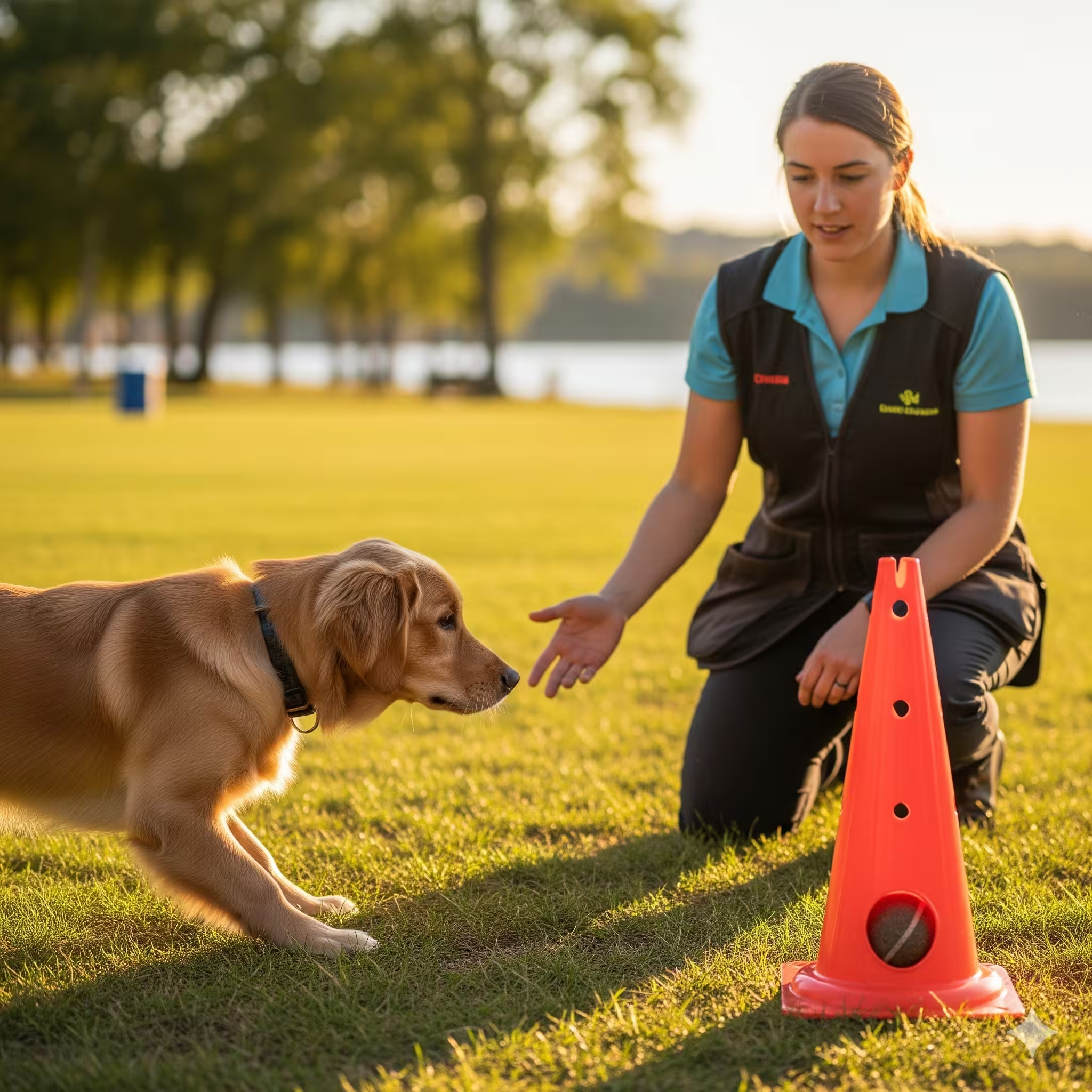
How to Teach the Memory-to-Cone Drill
Difficulty
Intermediate
Time
5-10 mins / session
Materials
1 Cone, 1 Bumper/Toy
This exercise transitions your dog from a simple “marked” retrieve, where they see the toy fall, to trusting a location you designate.
The goal is a fast, confident retrieve from a spot your dog has memorized but didn’t see you place the reward.
- Step 1: The Memory Mark. With your dog watching, walk out 10-15 feet, place a highly visible cone, and drop a toy (bumper) right beside it. Make it obvious! Walk back to your dog. This is the “memory mark.” Effective setup relies on good environmental control to minimize distractions.
- Step 2: The Turn & Send. Pause for a few seconds. Turn your dog 90-180 degrees away from the cone, so they can no longer see it. This is the key step. After another brief pause (2-3 seconds), turn them back to face the cone and immediately send them with your retrieve cue (e.g., “Fetch!”).
- Step 3: The Reward. Your dog should run straight to the cone, relying on their memory of its location. When they pick up the toy, praise them enthusiastically as they return. The successful retrieve is a powerful form of positive reinforcement.
- Step 4: Increase the Challenge. Once your dog is successful, you can gradually increase the difficulty. Increase the distance, lengthen the time you wait before sending, or turn your dog a full 360 degrees. The key is to progress in tiny increments to ensure success.
Always aim for short, clean reps. It’s better to have three perfect, snappy retrieves than ten sloppy ones. This drill is perfect for a small yard or even a long hallway indoors.
Skill Progression to a True Blind Retrieve
Hover over or focus on a stage to learn more.
Why This Drill Works: The Behavior Science
The memory-to-cone drill is a brilliant application of learning theory, specifically bridging the gap between what a dog sees and what a dog knows. It’s a foundational piece in advanced retriever work.
At its core, this exercise is built on the principles of operant conditioning. The dog performs a behavior (running to the cone) and is rewarded with a primary reinforcer (the toy). This makes the behavior more likely to happen in the future.
We’re conditioning the dog to understand that a specific location, not just a visible object, holds value.
By briefly showing the dog the toy at the cone and then turning them away, we are building several key skills:
- Short-Term Memory: The dog must hold the location of the cone in its mind, even when it’s out of sight. This cognitive task is excellent mental stimulation.
- Trust in the Handler: When you send your dog, they begin to learn that your cues lead to good things, even if they can’t see the reward initially. This trust is paramount for true blind retrieves.
- Confidence: Success breeds confidence. Each clean rep tells the dog, “I can find things even when they’re tricky!” This is vital for a puppy or dog that is hesitant about new challenges.
Troubleshooting Common Issues
This indicates a lack of confidence or motivation. First, ensure the toy is high-value. Second, drastically shorten the distance to just 5-6 feet. You can even walk out with your dog part of the way to encourage them. The goal is to make the first few reps incredibly easy and rewarding.
This means the dog’s memory of the mark wasn’t strong enough. Make the placement more dramatic—show them the toy, tap the cone, get them excited about the spot. Also, reduce the time you wait before sending them. A quicker send after the turn will help them retain the location.
Stop if you see signs of frustration like barking, spinning, or sniffing excessively. This is a sign of pushing too far, too fast. This is where threshold management is crucial. End the session with a simple, successful marked retrieve and try again tomorrow with an easier setup (shorter distance, less time). Always end on a high note!
Frequently Asked Questions
A marked retrieve is when the dog sees the object fall and runs directly to it. A blind retrieve is when the dog does not see the object fall and must rely on the handler’s direction and their own senses to find it. This exercise bridges that gap.
This is an intermediate exercise best suited for dogs that have mastered basic obedience and single marked retrieves. Typically, this is around 8-12 months old, but maturity matters more than age. Ensuring you know how to help a new puppy adjust and master basics first is key. Solid focus and a reliable recall are prerequisites.
While you can use a high-value food reward at the cone, a toy or bumper is generally better for this drill as it builds retrieve drive. The act of carrying the object back is a key part of the behavior chain. Just be sure to teach your dog how to be gentle when taking toys.
Keep sessions short and successful. Aim for 3-5 clean reps per session. A few perfect retrieves are far more valuable than a dozen sloppy ones. End on a positive note to keep your dog eager for the next session. You can use our puppy socialization tool to track their progress and mood.
This usually indicates the distance is too great or the dog is losing focus. Shorten the distance significantly, even just a few feet. Make the toy extra exciting. You may also need to revisit the basics of shaping the behavior of picking up an object on cue.
Not at all! While it’s a staple in gundog training, this drill is a fantastic mental workout for any high-energy dog. It builds confidence, focus, and strengthens the handler-dog bond, making it a great addition to your list of dog enrichment activities.

Christopher Quinn adopted his first dog, Loki, a spirited Border Collie/Jack Russell mix, after exiting Army service in the summer of 2012. That experience sparked a lifelong passion for canine behavior and positive reinforcement training.
He studied Principles of Dog Training & Behavior at Penn Foster and has since worked with hundreds of dogs from all backgrounds. Over the past two years, Christopher has fostered more than 30 rescue dogs, giving each one a chance at a better life.
Today, he continues to write, teach, and share insights on humane dog training, blending hands-on experience with a decade of dedicated study.