

Trying to crate train a puppy at night can feel like an uphill battle when your puppy cries, whines, or refuses to settle.
If you’re struggling to crate train a puppy at night, you’re not alone — many new dog owners experience sleep disruptions during the early stages.
But with a structured routine and compassionate strategy, you can guide your pup toward peaceful overnight sleep—and give yourself a well-earned rest.
Below is a science-based, positive reinforcement guide to help you get through the most difficult stage of crate training: bedtime whining.
Why Puppies Whine in Crates at Night
Before solving the problem, it’s critical to understand why it’s happening:
- Separation anxiety: Your puppy may not yet feel safe being alone.
- Incomplete potty training: A full bladder or irregular routine can lead to discomfort.
- Lack of exercise: Without enough physical or mental stimulation, your pup has leftover energy.
- Crate aversion: If the crate hasn’t been positively introduced, your pup might fear it.
- Change in environment: Moving from littermates to a new home can be emotionally overwhelming.
- Temperature discomfort: A crate that’s too warm or drafty can cause nighttime restlessness.
Whining is communication—not manipulation. It’s your job to decode it and respond with clarity and consistency.
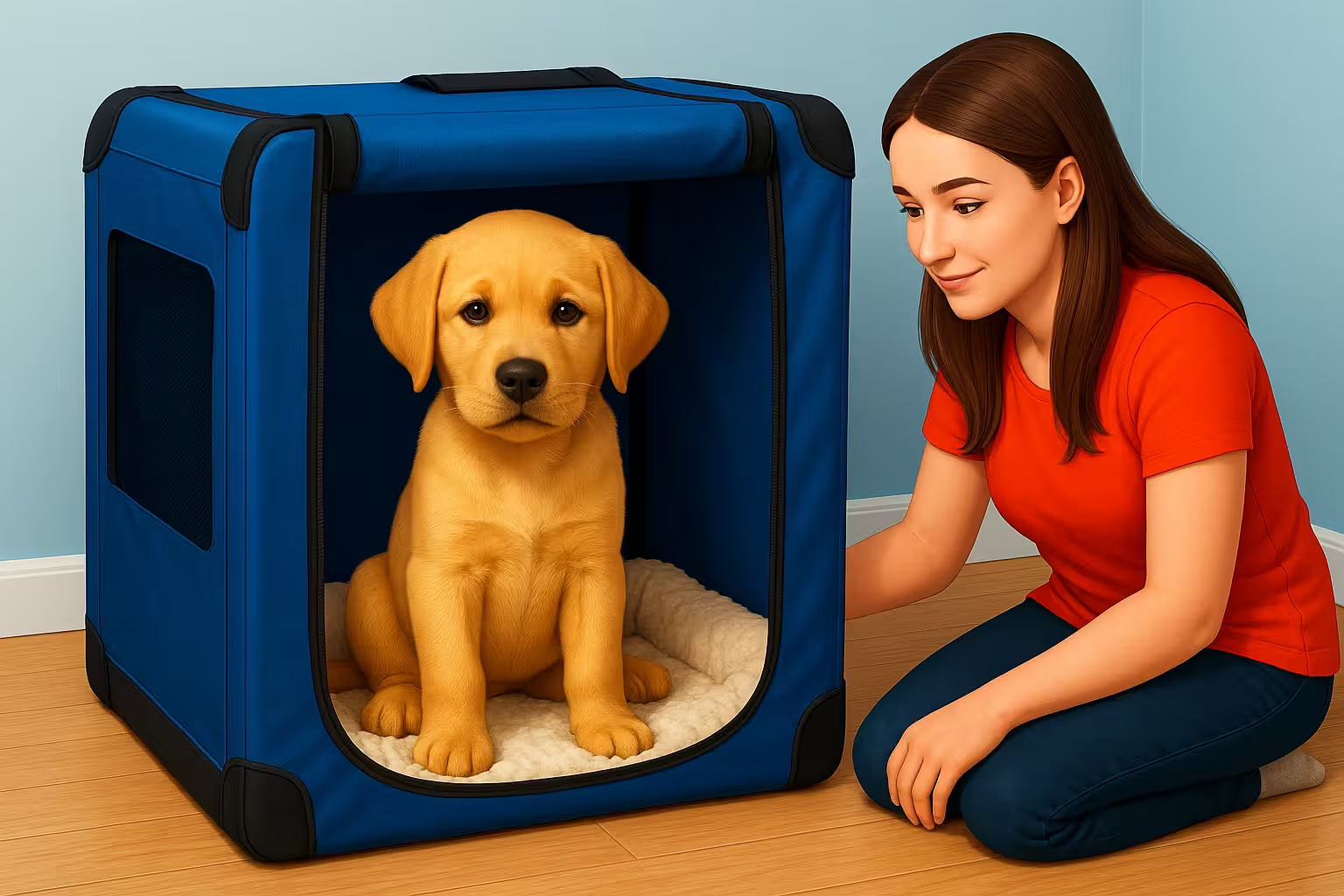
Step 1: Create a Crate Haven
Make the crate a positive space.
Make the Crate a Positive Place
To ensure successful nighttime crate training, your puppy must first see their crate as a safe den, not a punishment. This principle of positive association is scientifically proven to build confidence.
- Place the crate in a quiet but central area of your home.
- Line it with soft bedding and an item with your scent.
- Leave the door open and toss high-value treats inside.
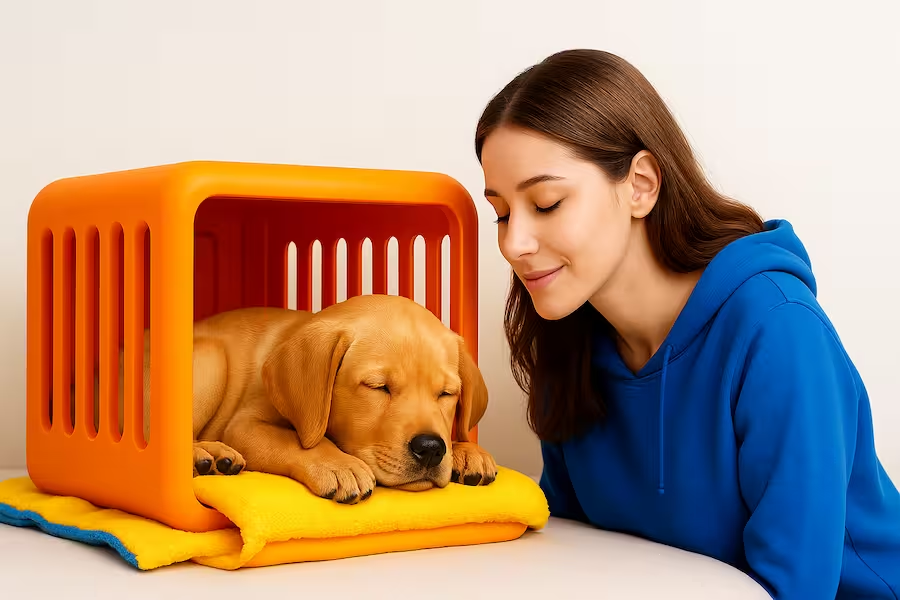
Step 2: Wind-Down Routine
Establish a calming pre-bed rhythm.
Create a Pre-Bedtime Routine
A consistent puppy bedtime routine signals that it’s time to sleep. Dogs, like humans, thrive on predictability, which reduces anxiety.
1–2 hours before bed:
- Engage in a light play session (fetch, tug, or puzzle toys).
- Take your pup out for a final potty break.
- Avoid overstimulation—no rowdy play right before bed.
Then, calm the environment. Dim the lights, lower your voice, and turn off loud sounds to help your puppy’s nervous system relax for a peaceful night.

Step 3: Guide & Settle
End the night with calm confidence.
Guide Them into the Crate
Use a calm voice and a reward to guide your puppy into the crate. Choose a verbal cue like “Kennel up!” or “Bedtime.”
As they enter, give a special treat (like a stuffed Kong) and gently close the door. Offer quiet praise and walk away without lingering. Your calm energy communicates that this is a normal, safe part of the day.
If your puppy whines in the crate: Pause for 30-60 seconds. Respond only if you suspect they need the bathroom. Otherwise, calmly wait it out. Responding to attention-seeking whines can reinforce the behavior.
Ideal Nighttime Crate Training Schedule for Puppies (8–12 Weeks)
Here’s a tried-and-tested overnight plan optimized for young puppies:
🕕 Evening Routine (6:00–9:00 PM)
- Light meal by 6:00 PM to allow digestion and reduce overnight potty needs.
- Play and potty walk (6:30–7:30 PM) to burn energy and empty the bladder.
- Basic training session (7:30–8:00 PM): Work on sit, stay, and name recall to engage the brain.
- Wind-down time indoors with low stimulation (cuddles, grooming, chews).
🕘 Final Prep (9:00–9:30 PM)
- Final potty break at 9:00 PM.
- Crate calm-down session: Use a treat-filled puzzle toy or frozen Kong in the crate with the door open.
- Cue predictability: Use the same lights, tone of voice, and environment every night.
🛌 Bedtime (9:30–10:00 PM)
- Escort your puppy to the crate.
- Use a soft cue like, “Time for bed.”
- Give one final potty-approved, chewable toy.
- Lights out. Consistency here matters more than perfection.
🛰️ Crate-Whining Night Console
- Meet needs first: last potty, water, temp, bedding ok.
- If whining: pause all interaction; wait the quiet goal.
- Open only on quiet, then calm escort for potty if due.
- Keep night trips boring: no play/treat party; straight back.
- End on a win: short, quiet settle before sleep.
What to Do If Your Puppy Whines at Night
If your dog tends to bark or whine excessively, you’ll want to read our guide on how to stop your dog from barking at night in the crate for additional strategies tailored to crate-specific vocalizations.
1. Pause and Observe
Wait 1–2 minutes before reacting. Whining might stop on its own. Responding too soon can accidentally reinforce the behavior.
2. Check Potty Needs (If Persistent)
If your puppy recently woke up or didn’t go during the last walk, quietly escort them outside without talking or playing. Crate again immediately afterward.
3. No Eye Contact, No Coddling
If the whining isn’t potty-related, use a consistent response:
- Tap the crate gently.
- Use a brief, calm cue: “Shh” or “Quiet.”
- Do not open the crate.
- Stay close but emotionally neutral.
4. Log Progress Nightly
Track the exact time and duration of whining. This helps you recognize improvement or setbacks over time.
5. Set Expectations
Know that when you crate train a puppy at night, whining may continue for a few nights even if you’re doing everything right. Stick to the routine and avoid inconsistency.
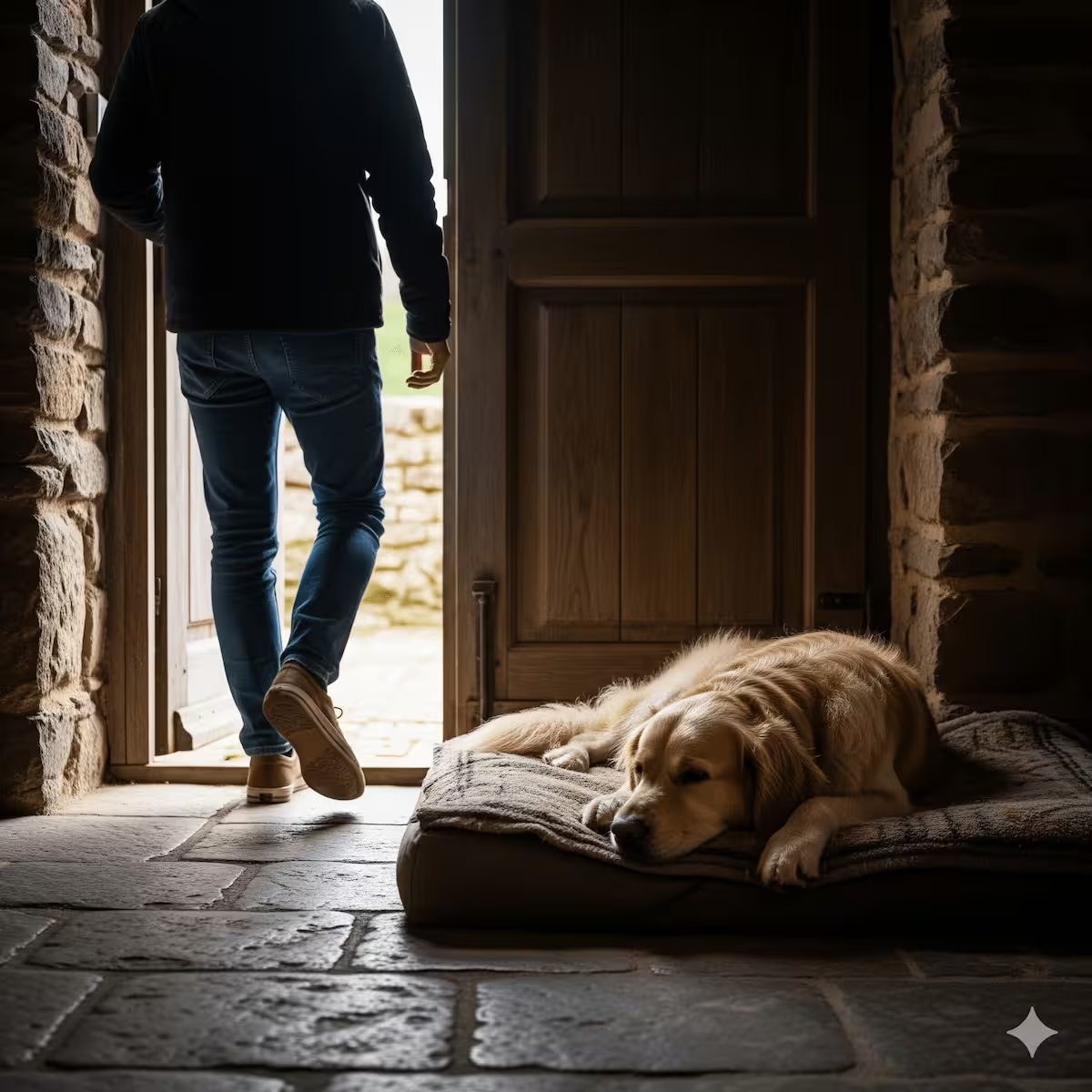
Crate Placement for New Puppies (Under 4 Months)
View Details
When starting your new puppy crate training journey, overnight placement is crucial. Young puppies instinctively crave proximity to their family. Placing the crate in your bedroom is scientifically supported as it helps prevent overnight panic and builds a secure attachment.
This proximity allows you to hear when your puppy needs a potty break, which is essential for successful housebreaking. Responding quickly to their needs reinforces that the crate is a safe, responsive space, not one of isolation. This strategy is key to preventing puppy separation anxiety from developing.

Optimal Crate Location for Older Pups & Adult Dogs
View Details
For an older puppy (4-6 months+) or an adult dog, crate placement is still vital for creating a sense of calm safety. The primary goal is to establish the crate as their personal den, not a place of punishment. To start, place the crate in your bedroom or just outside the door to ease them in.
As your dog becomes more confident, you can gradually transition the crate to a more permanent, quiet corner. Avoid areas that are cold, drafty, or completely cut off from the household. A location that is close enough for them to sense your presence but not be overstimulated by movement is an ideal solution for a secure, long-term dog crate setup.
Common Crate Refusal Behaviors and How to Fix Them
| Behavior | Fix |
|---|---|
| Puppy won’t enter the crate | Feed meals inside, toss treats into crate, never force entry |
| Puppy whines as soon as crate closes | Shorten crate time; build positive association with closed door |
| Puppy barks when left alone | Increase pre-bedtime exercise and desensitize with short departures |
| Puppy chews crate bars or panics | Switch to a different crate type, provide soothing aids, consult behaviorist if intense |
Crate Location Mistakes to Avoid
- Too isolated: If your puppy is alone in a far-off room, the lack of contact can increase distress.
- Too busy/noisy: Placing the crate in the living room where lights and sounds are constant can cause overstimulation.
- Too cold or drafty: Cold tile floors or window breezes can make the crate uncomfortable.
- Too hot: Especially in summer or with enclosed plastic crates, heat buildup can be miserable.
Pro Tip: During early crate training, place the crate next to your bed to provide comfort without direct interaction.
Crate Training Tools for Success
- Covered crate or den-like setup for security
- Snuggle puppy with heartbeat (mimics littermate comfort)
- Frozen Kong or safe nighttime chew toy for soothing Your goal is to create a safe, rewarding space, especially if your main goal is to crate train a puppy at night without causing anxiety.
- White noise or soft music to mask outside triggers
- Nightlight to reduce fear of dark in anxious puppies
- Puppy potty log to track timing and progress
- Soft crate liner or vet-recommended bedding to make it inviting
Learn how classical conditioning plays a key role in developing positive crate associations in our guide on Classical Conditioning in Dogs.
Puppy Crate Training Factors
Method Effectiveness vs. Potty Break Intervals
Common Myths That Sabotage Nighttime Crate Training
Myth 1: “You should just ignore all crying.”
False. While brief whining may resolve on its own, prolonged distress needs compassionate intervention. Blindly ignoring it can damage trust and increase anxiety.
Myth 2: “All dogs instinctively love crates.”
Not true. While many dogs enjoy enclosed spaces, the crate must still be positively introduced and not associated with punishment.
Myth 3: “Let them bark it out—it builds resilience.”
Research shows that excessive distress creates negative emotional associations with crate training and can lead to worse separation anxiety later.
Myth 4: “Crates are cruel.”
When used correctly, crate training a puppy at night crates replicate a safe den environment. The key is moderation, comfort, and choice—not confinement.
Environmental Enhancements That Help at Night
Small changes in the environment can have a big impact:
- Keep crate in your bedroom for the first few weeks. Your presence can reduce stress.
- Avoid placing the crate near windows if external noise or lights trigger barking.
- Use blackout curtains or crate covers to reduce visual stimulation.
- Ensure crate is the right size. Your puppy should be able to stand, turn around, and lie down comfortably—but not have so much space they potty inside.
Pro Training Tips
Struggling with Nighttime Whining? Here’s Your Next Step
If your puppy just won’t settle—no matter how consistent your efforts—it’s time for a proven plan. The Crate Training Blueprint is a step-by-step product built specifically for situations like this:
Inside, you’ll get:
- Printable nighttime and daytime schedules
- Calm-down protocols for whining
- Troubleshooting guides
- Emotional support tools for reactive or fearful puppies
- Sample crate setup images and gear list
- Crate training mistake checklist
Stop guessing. Start training.
FAQ: Nighttime Crate Training Questions
Q: Should I let my puppy cry it out in the crate at night?
A: No. Letting a puppy cry endlessly without comfort can backfire. Brief whining is common, but persistent distress should be addressed gently with consistency and reassurance.
Q: How long does it take to crate train a puppy at night?
A: Many puppies settle within 3 to 7 nights with consistent routines. More anxious or rescue pups may need 2–3 weeks.
Q: Is it okay to sleep near the crate?
A: Yes, especially for young puppies. Having you nearby can shorten the transition period. Slowly move the crate away from your bed once your puppy is consistently sleeping through the night.
Q: What if my puppy still whines weeks later?
A: Reevaluate your schedule, crate setup, and training methods. Inconsistent routines, late-night feeding, or discomfort may be sabotaging progress.
Q: Should I cover the crate at night?
A: Yes, if it helps your puppy relax. Just make sure there’s ventilation and it doesn’t increase heat.
According to the American Kennel Club, crate training—when done properly—can help reduce anxiety, improve sleep, and support housebreaking in puppies.
Bottom Line
Nighttime crate training requires patience, empathy, and a clear plan. Your puppy isn’t trying to manipulate you—they’re trying to adjust. With the right tools and structure, they can.
🎯 Once nighttime crating is smooth, continue with foundational training using our comprehensive Complete Puppy Training Guide. Knowing how long to leave your puppy crated is a critical step when trying to crate train a puppy at night without setbacks.
Mastering how to crate train a puppy at night takes patience, structure, and consistency—but it’s entirely achievable with the right guidance.
About the Psychology: Why This Method Works
Successful kennel training isn’t about dominance; it’s about understanding your puppy’s mind. This approach is rooted in established principles of animal behavior that work with your puppy’s instincts, not against them.
Classical Conditioning: Building a Positive Association
Your puppy initially sees the crate as a neutral object. Through classical conditioning, we change that perception. By consistently pairing the crate with things your puppy loves (like special treats or toys), they learn to associate the crate itself with those happy feelings. The goal is an automatic emotional response: seeing the crate triggers feelings of comfort and anticipation, not fear.
Operant Conditioning: The Power of Positive Reinforcement
This principle addresses your puppy’s choices. When your puppy voluntarily enters or settles in the crate and you reward that behavior, you are using positive reinforcement. This makes them more likely to repeat the action in the future. They learn that good things happen when they choose to use their crate, empowering them to make the right decision.
Canine Den Instinct: Providing Innate Security
Dogs are naturally den animals. They instinctively seek out small, enclosed, and safe spaces to rest. A crate effectively taps into this instinct, providing a sanctuary that is exclusively theirs. When introduced properly, the crate becomes a place of security and calm, which is particularly helpful for easing nighttime anxiety.
Using the crate for punishment or forcing a puppy inside creates a powerful and negative emotional association. This scientifically proven outcome, called conditioned fear, links the crate with stress, isolation, and anxiety.
This approach increases stress hormones like cortisol, inhibits learning, and can lead to destructive behaviors and a deep-seated fear of confinement, defeating the very purpose of the training.

Christopher Quinn adopted his first dog, Loki, a spirited Border Collie/Jack Russell mix, after exiting Army service in the summer of 2012. That experience sparked a lifelong passion for canine behavior and positive reinforcement training.
He studied Principles of Dog Training & Behavior at Penn Foster and has since worked with hundreds of dogs from all backgrounds. Over the past two years, Christopher has fostered more than 30 rescue dogs, giving each one a chance at a better life.
Today, he continues to write, teach, and share insights on humane dog training, blending hands-on experience with a decade of dedicated study.