
Frozen Kong: Calm Chewing That Actually Works
A frozen Kong for separation anxiety turns natural licking and chewing into deep relaxation. It pairs nicely with positive reinforcement.
Marker timing helps you reward calm focus at the toy. If you use markers, review clicker training.
Why Frozen Kongs calm dogs (and help people)
Licking releases endorphins and lowers heart rate, which helps sensitive dogs settle faster. Short, winnable frozen Kong enrichment builds confidence without overflow.
Owners get quiet time for calls and chores with low mess when you use mats and predictable recipes. For more ideas, see our dog enrichment activities guide.
- Regulates arousal: chewing + licking shift dogs into “rest and digest.”
- Separation practice: pair with a station mat and leave for 2–5 minutes.
- Crate help: quiet busy-work that makes crates feel safe.
- Medication support: hide pills inside a soft middle layer.
Picking the right Kong model
Classic (red)
Best all-around rubber for most adult dogs. Daily freezes stay engaging and durable.
Extreme (black)
Extra-tough rubber for power chewers. Choose this if pieces go missing from softer toys.
Puppy (blue/pink)
Softer rubber for baby teeth and sensitive mouths. Keep fillings mild and easy to win.
Size tip
When between sizes, go bigger. Inspect toys daily and replace if cracked or chunked.
If your puppy feels overwhelmed, skim threshold management.
How to prep a Frozen Kong (3 steps)
Fast prep
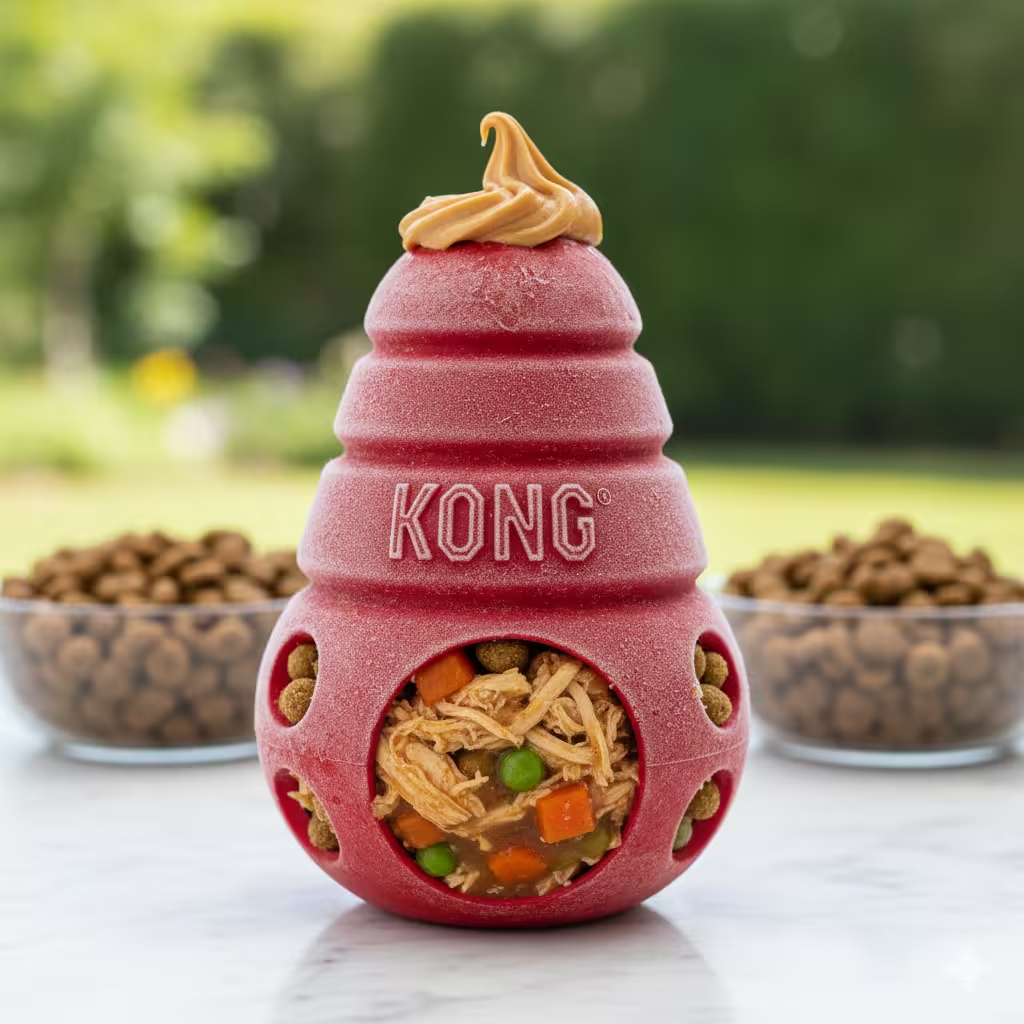
- Seal the small hole with a pea of peanut butter.
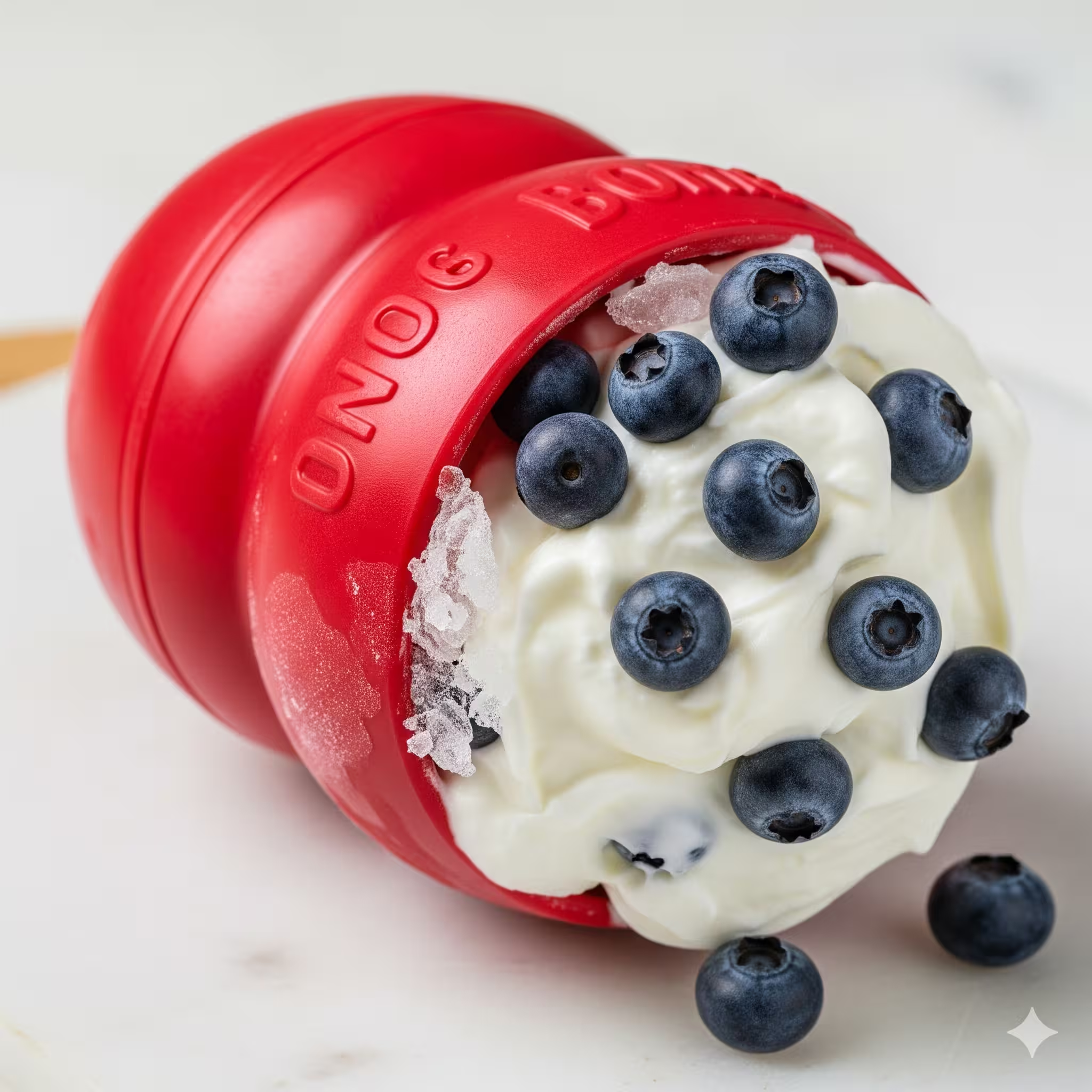
- Layer wet food or yogurt with a few kibbles until 90% full.
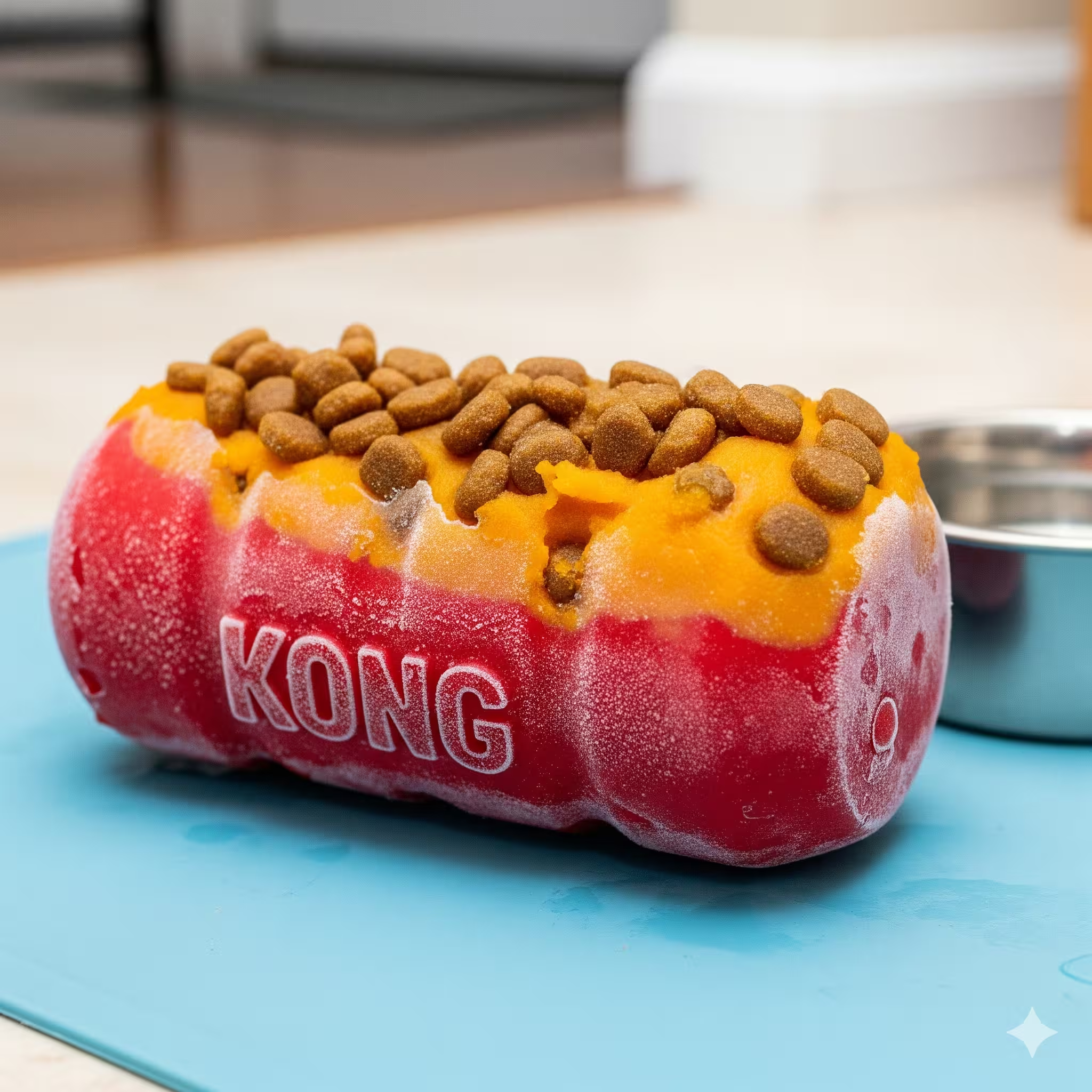
- Top with a thin cap and freeze 2–4 hours.
Make it winnable
- First sessions: chill 30–45 minutes instead of fully freezing.
- Use softer fillings and park near you for comfort.
- End on success and increase freeze time tomorrow.
Marker training pairs beautifully here, and you can build duration with shaping.
Browse 8 Proven Filling Ideas
Pair it with calm training
Reward settled body language while your dog works the Kong. For timing help, read operant conditioning.
Build real-life confidence with short field trips. If your pup struggles, try the Puppy Socialization Tool.
If your dog seems shut down, skim puppy scared of everything for support.
Q&A and troubleshooting
My dog gives up. What now?
How long should I freeze a Kong?
What can I safely put in a Kong?
Will this help with crate training?
My dog gets loose stools after a Kong.
How often can I use a Frozen Kong?
Ready to build a calm, satisfying routine?
Start with one easy Frozen Kong each day and grow from there.
See more enrichment ideas
Christopher Quinn adopted his first dog, Loki, a spirited Border Collie/Jack Russell mix, after exiting Army service in the summer of 2012. That experience sparked a lifelong passion for canine behavior and positive reinforcement training.
He studied Principles of Dog Training & Behavior at Penn Foster and has since worked with hundreds of dogs from all backgrounds. Over the past two years, Christopher has fostered more than 30 rescue dogs, giving each one a chance at a better life.
Today, he continues to write, teach, and share insights on humane dog training, blending hands-on experience with a decade of dedicated study.