
Hide & Seek (Person) — Fun Recall Game for Dogs
A simple chase-and-find game that builds positive reinforcement recall, confidence, and calm check-ins.
What you need
- One helper to hold your dog at the start (or use a door/gate).
- Very high-value rewards (or favorite toy) for fast, happy recalls.
- Quiet indoor area or safe, fenced yard with minimal distractions.
For smooth timing and clean reinforcement, review operant conditioning in dog training and our refresher on positive reinforcement.
How to do it (3 steps)
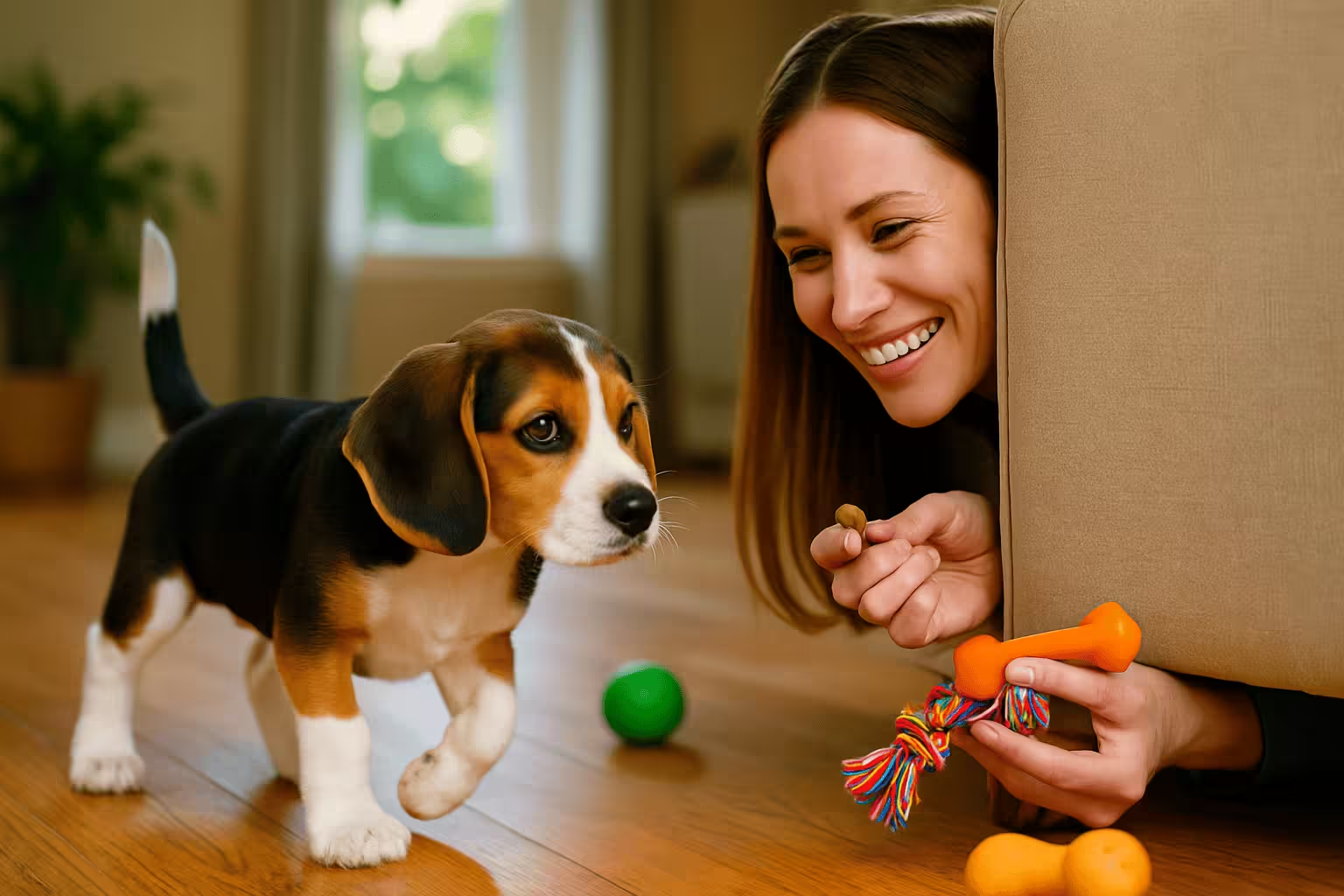
- Holder stays; hider hides. Helper holds the dog. Hider steps just out of sight. Keep the first distance very short.
- Cue “Find!” then celebrate. Call once, then stay quiet. Mark and reward generously when your dog finds you.
- Change spots each rep. Move to a new, easy location. Add distance only after two easy wins in a row.
If your dog struggles, use shaping in dog training. For calm landings between reps, see management & environmental control.
Why it helps
Hide & seek channels chase-and-find instincts into a cooperative game. Dogs practice orienting to the handler, quick recall, and settling between reps. Short bursts of searching (medium energy) plus reward and rest build a reliable “on/off” switch.
Start in calm contexts, then expand gently. If your dog becomes overwhelmed, pause and apply threshold management.
Level it up
- Increase distance or hide around a corner after two consecutive easy finds.
- Have the hider move rooms while the dog waits, then cue “Find!” once.
- End each mini-session with a settle on a mat (see management & environmental control).
Troubleshooting
My dog jumps on people on arrival. Set up behind a door or baby gate to create space. Ask for a brief sit or hand-target at arrival, then reward. This pairs arousal with manners. Families can also practice teaching a puppy to be gentle with kids.
My puppy seems worried. Make hides easier and use higher-value rewards. Play in quiet hallways first, then widen. If worry persists, review help for a puppy who seems scared of everything.
Further reading
Hide & seek variations
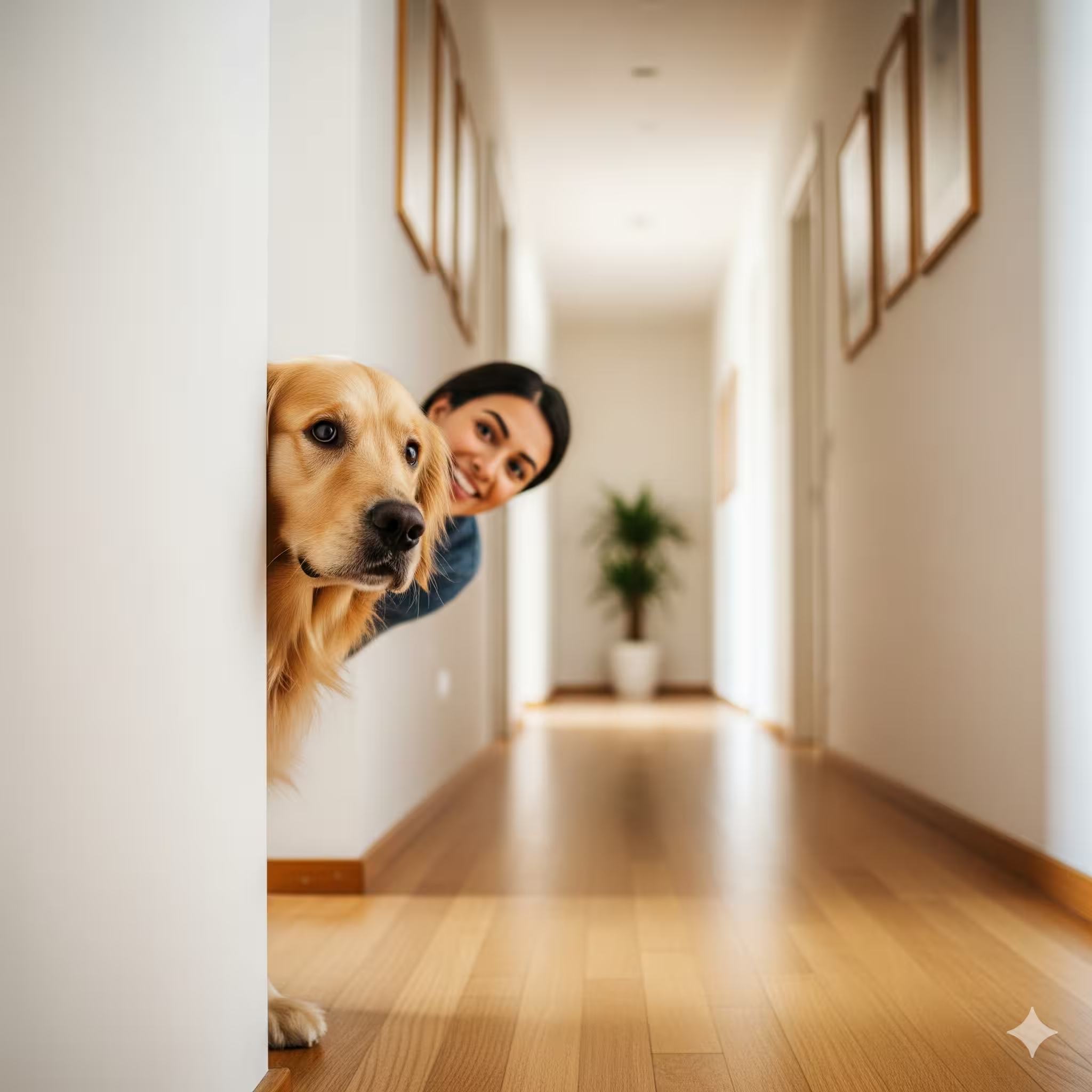
Hallway Peek-A-Hide
Why it’s good: Low-distraction hallway makes the first wins fast and clear.
- Stand just beyond a doorway. Cue “Find!” once.
- Mark and reward at your knees; reset quickly.
- Stop after 2–3 easy wins to keep excitement high.
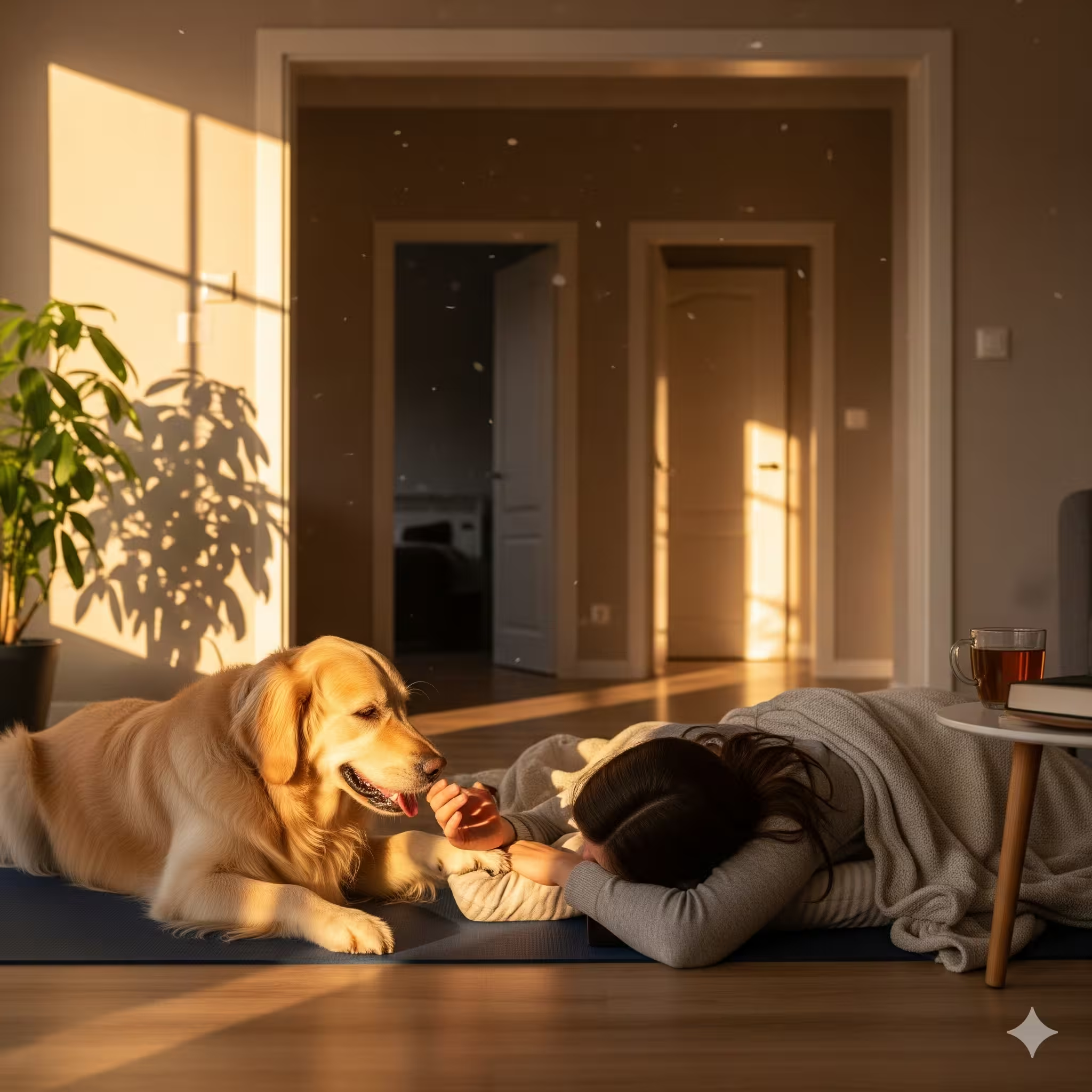
Room-to-Room Search
Why it’s good: Builds endurance and adds a calm “finish on mat.”
- Graduate from hallway to the next room.
- Cue once, then be silent during the search.
- Reward on a target mat to encourage calm landings.
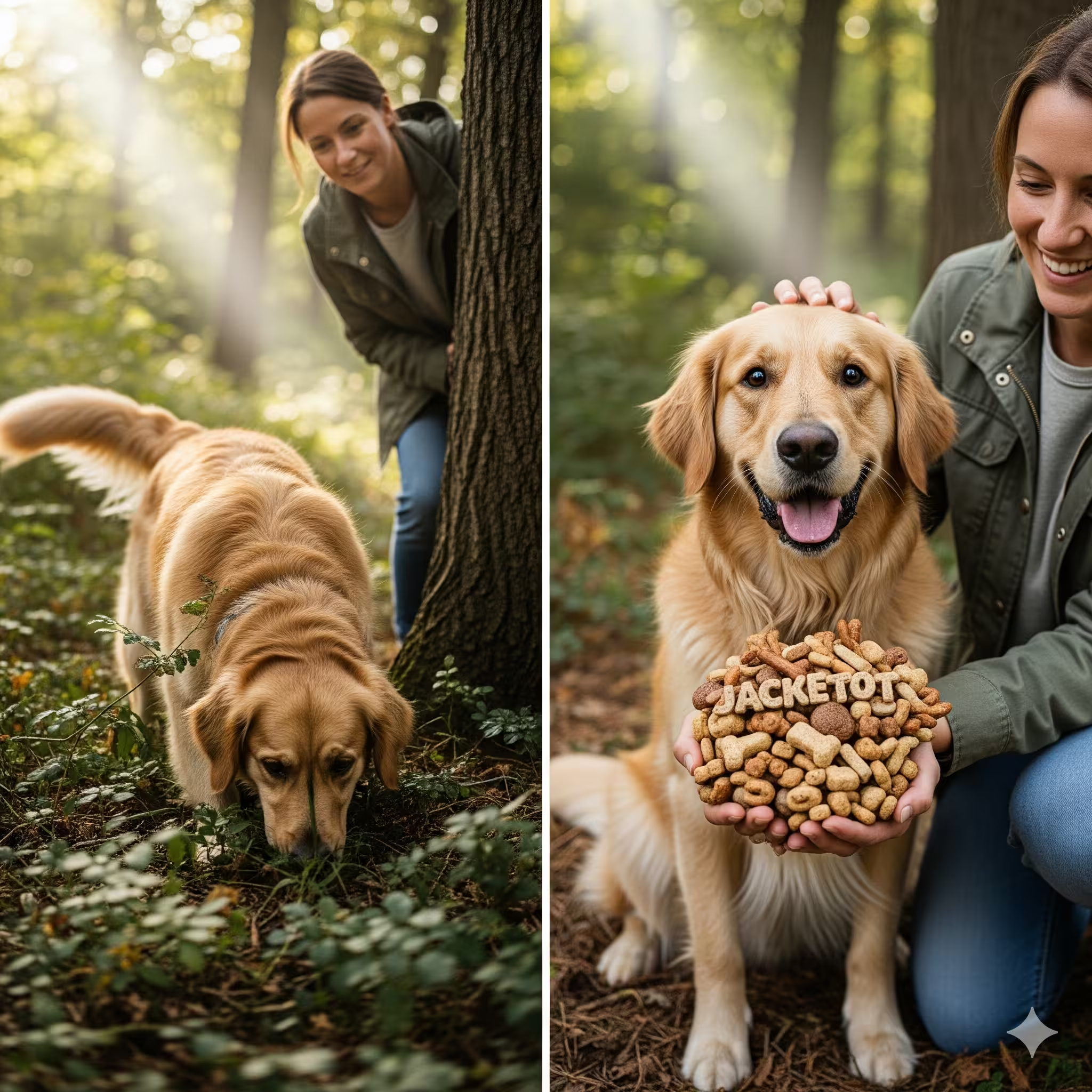
Silent Find (no call)
Why it’s good: Teaches independent searching; you become the best “target.”
- Skip the “Find!” cue. Let context and routine start the hunt.
- Jackpot the arrival to reinforce quiet problem-solving.
FAQs
Is hide & seek good for recall?
Yes. The game rehearses fast approaches to you after a single cue. Each find pairs you with high-value rewards, strengthening recall through positive reinforcement. Keep reps short and successful to build reliability.
Where should I start hiding?
Begin indoors in a quiet hallway with very short distances and obvious, easy hides. Once your dog is racing to you, graduate to room-to-room searches and, later, the backyard with mild distractions.
How many repetitions should I do?
Think in mini-sets of 2–4 successful reps, then take a short break. Ending while your dog still wants more preserves enthusiasm and prevents over-arousal.
Can kids help with this game?
Yes—with supervision. Give kids simple jobs like placing a treat on a target when the dog finds the hider. Review teaching a puppy to be gentle with kids to keep interactions calm and safe.

Christopher Quinn adopted his first dog, Loki, a spirited Border Collie/Jack Russell mix, after exiting Army service in the summer of 2012. That experience sparked a lifelong passion for canine behavior and positive reinforcement training.
He studied Principles of Dog Training & Behavior at Penn Foster and has since worked with hundreds of dogs from all backgrounds. Over the past two years, Christopher has fostered more than 30 rescue dogs, giving each one a chance at a better life.
Today, he continues to write, teach, and share insights on humane dog training, blending hands-on experience with a decade of dedicated study.