
Dog Wobbler Toys: Types, Sizing, Safety & 4 Enrichment Activities
A practical guide to wobblers (e.g., KONG Wobbler, Bob-A-Lot): how they calm dogs, which one to buy, what to put inside, and quick ways to use a wobbler with puppies and adults.
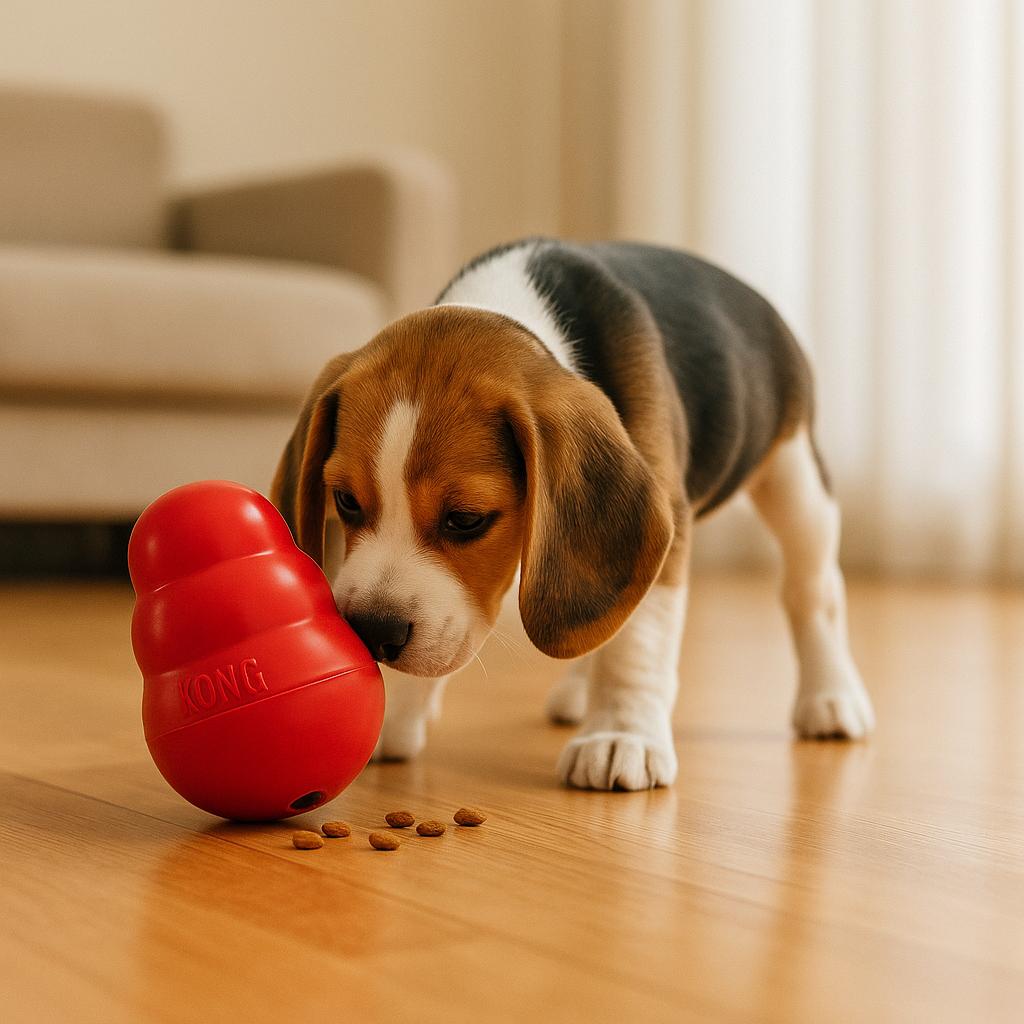
Why wobbler feeders calm dogs (and help people)
- Foraging outlet: nose-down searching + gentle pushing bleeds off “busy brain.”
- Meal pacing: intermittent reinforcement reduces gulping and frustration; see operant conditioning in dog training.
- Quiet routine: with a quiet-floor wobbler or rug, even apartments are doable. Pair with threshold management and a calm reward strategy.
Are there different types of wobblers?
Classic weighted wobbler
Single opening, weighted base, screw-off top. Example: KONG Wobbler Small/Large.
Adjustable-difficulty wobbler
Twist/plate system tunes the hole size (e.g., Bob-A-Lot) to pace fast eaters.
Quiet-floor / rubber-bottom
Same function with damped base for hardwoods (noise-reduced). Good for sound-sensitive dogs.
Puppy / XL models
Lighter spring-back for pups or heavier walls for strong adults. Size to body weight.
Picking the right size (quick guide)
| Dog size | Example | Wobbler pick | Notes |
|---|---|---|---|
| Under 15 lb | Toy breeds, puppies | Puppy / Small | Start easiest; 10–20 pieces. |
| 15–40 lb | Beagle, Cocker | Small / Medium | Adjust hole if using Bob-A-Lot. |
| 40–70 lb | Border Collie, Lab | Large | Use full-meal mode for slow feeding. |
| 70+ lb | GSD, Danes | Large / XL | Heavier walls; check dishwasher rating. |
For nervous pups, pair sizing with confidence-building socialization.
How to prep a wobbler (3 steps)
1) Prime the behavior
Place it empty; mark/reward looks and gentle nudges. Keep it winnable (see shaping in dog training).
2) Add easy food
Use small kibble or 6–10 pea-size treats. Avoid sticky fillers that clog the opening.
3) End on calm
Finish on a win and “park” with a calm-mat routine (see positive reinforcement 101).
Wobbler enrichment — four activity boxes
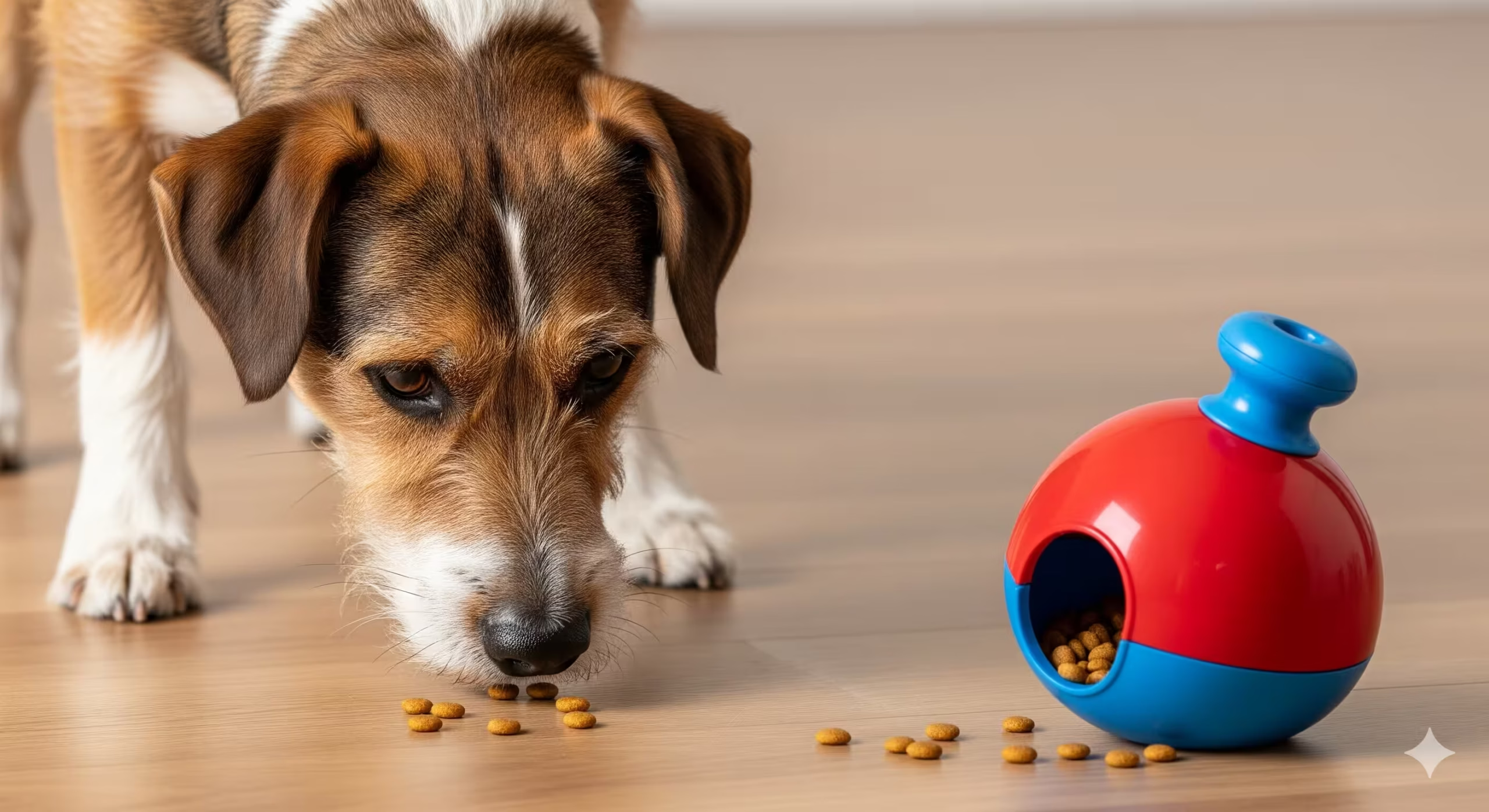
1) First Wobbler Session (2–5 min)
- Place it empty; reinforce looks → nudges.
- Add 5–10 pieces; roll once to demo.
- End on a win; pair with calm reinforcement.
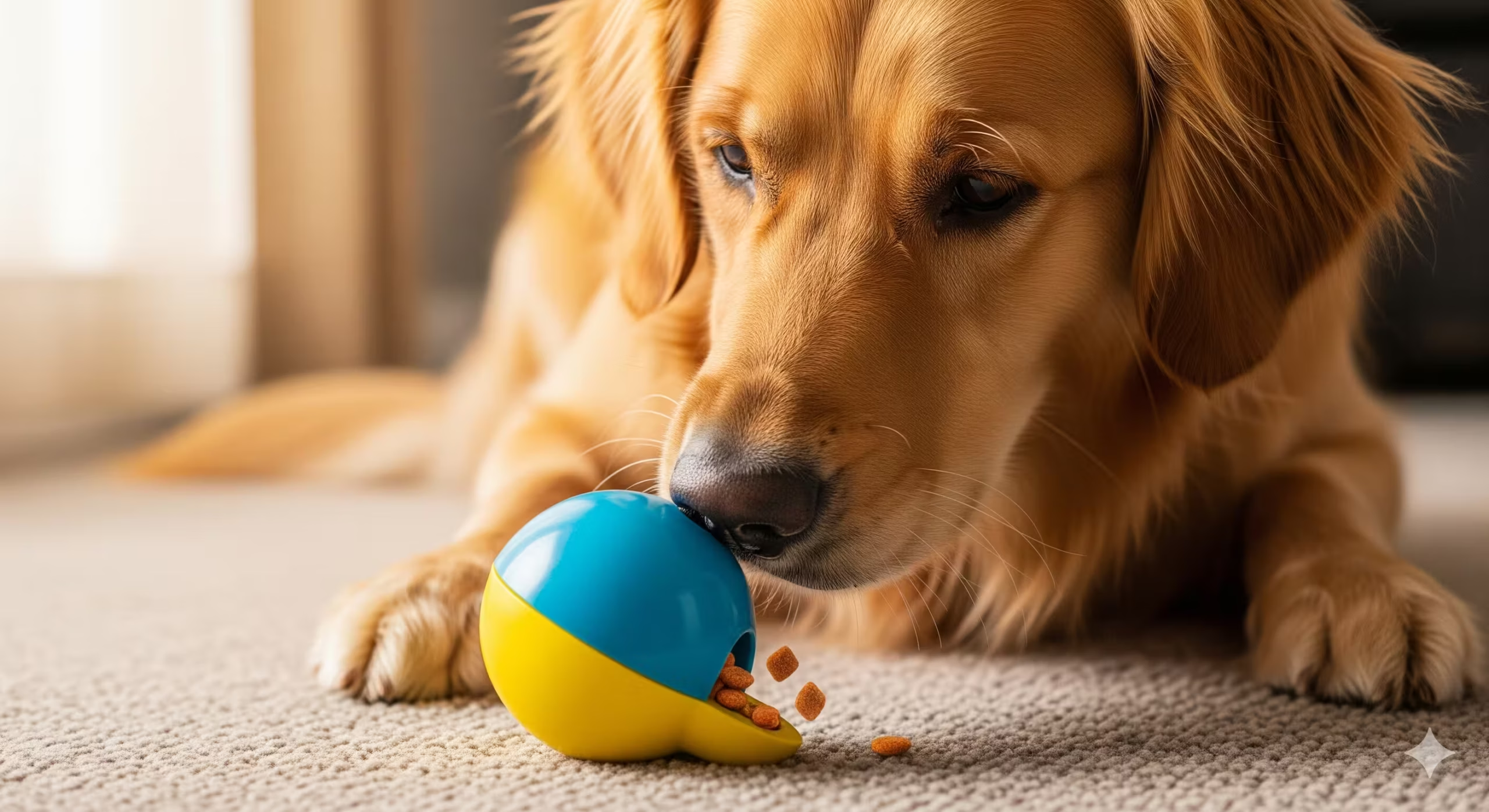
2) Scatter + Wobbler (5–10 min)
- Scatter 10–20 pieces; load 20–30 inside.
- Alternate searching and nudging; finish with a few easy reps using shaping.
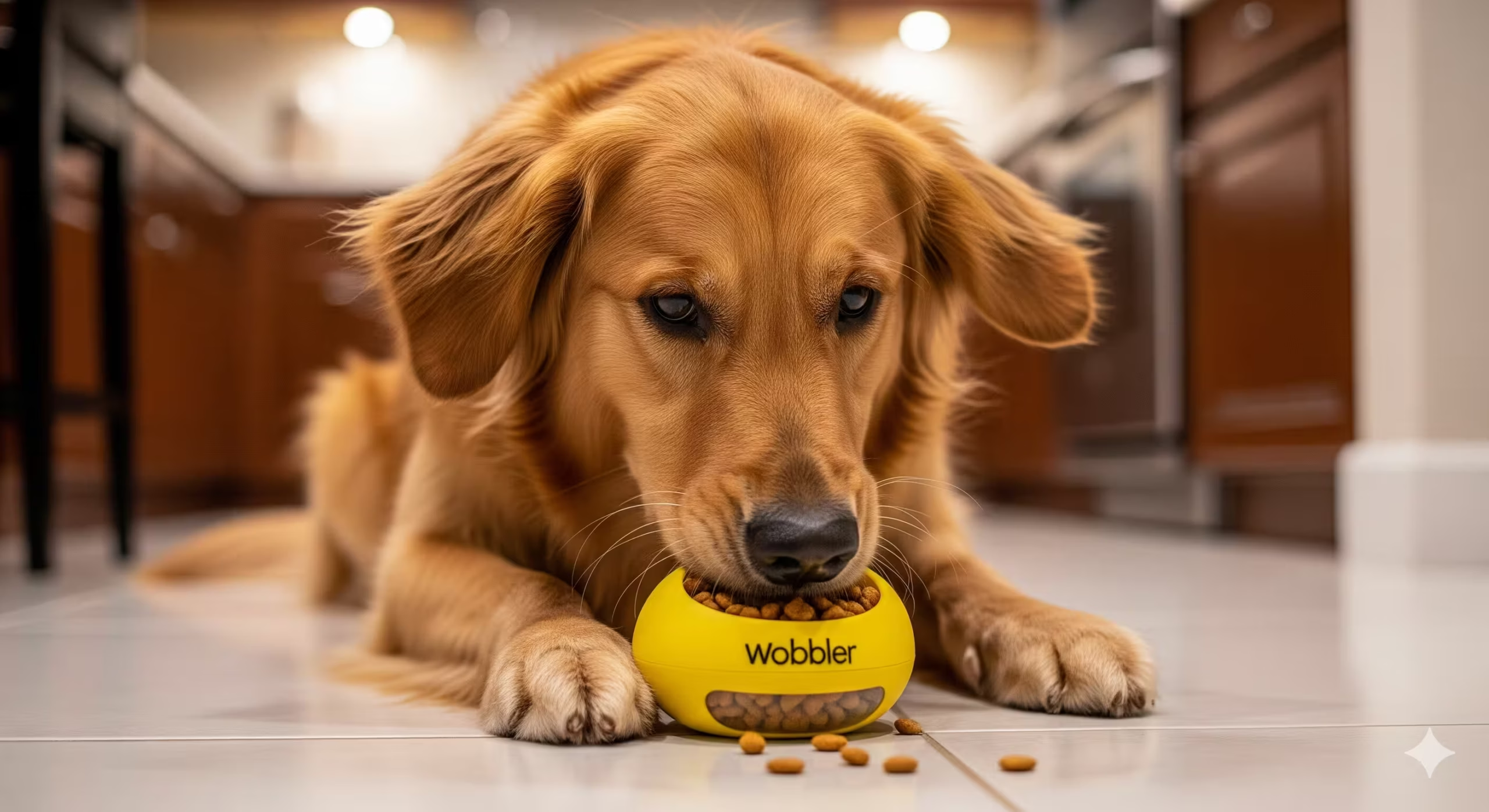
3) Dinner Wobbler Workout (10–15 min)
- Load the full meal; reduce bowl calories; pace intake.
- Great after a calm outing; pick your next activity from the enrichment library.
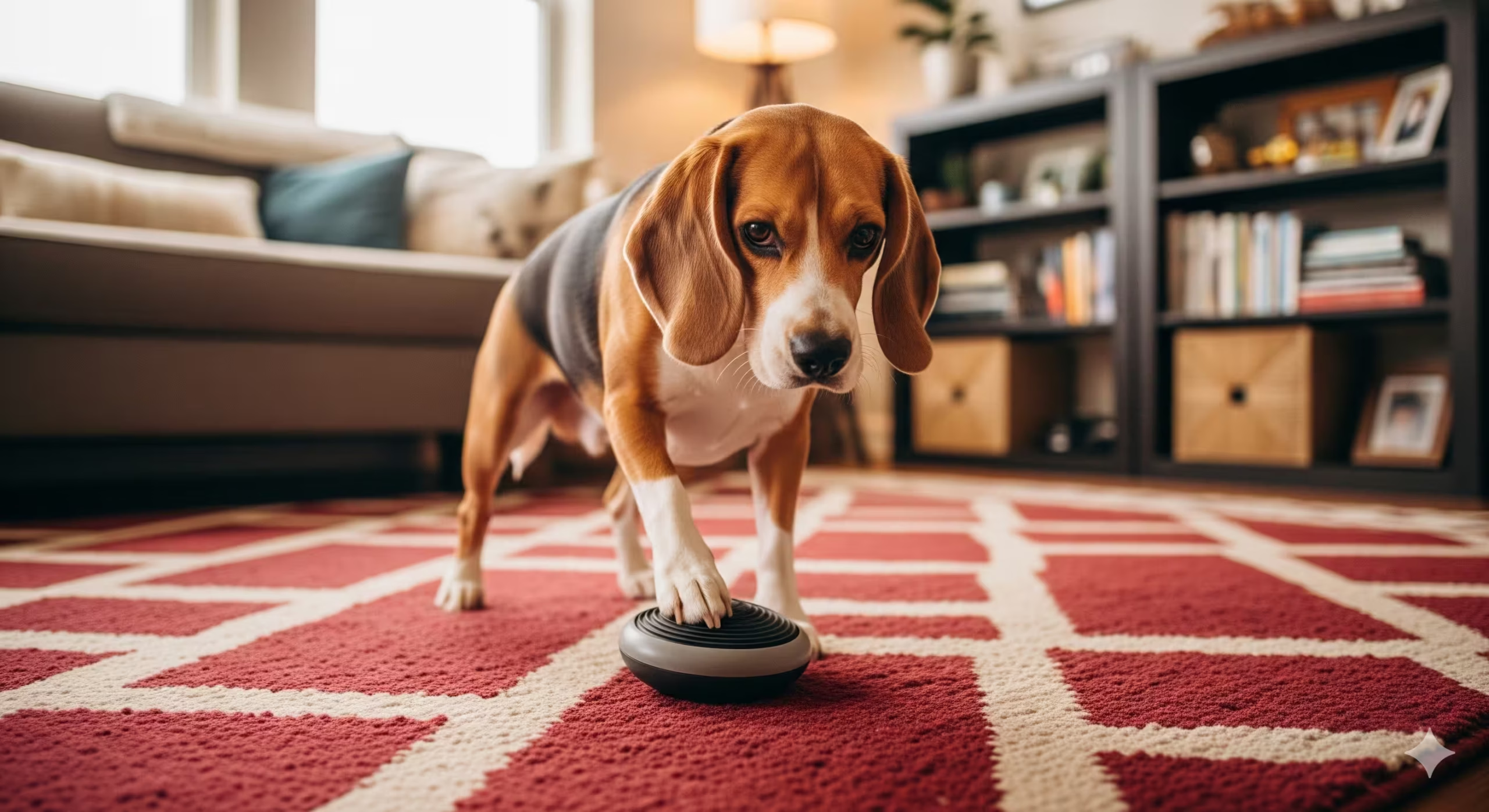
4) Quiet-Floor Confidence Game (3–6 min)
- Use a rubber-bottom wobbler or thick rug to reduce noise.
- For homes with kids, refresh “gentle” with kids; remove toy when empty.
Wobbler FAQs (safety • cleaning • sessions)
Are KONG wobblers safe for dogs?
Yes when sized correctly and used under supervision. Avoid cracked shells; discard if damaged. For anxious pups, start with fewer pieces and a quiet surface, then build duration with positive reinforcement.
How to clean a wobbler dog toy?
Most classic wobblers are top-rack dishwasher-safe. Otherwise, soak in warm soapy water, bottle-brush, rinse, and air-dry fully before refilling.
What to put in a KONG Wobbler besides kibble?
Try pea-size training treats, dehydrated meat bits, or a mixed handful (80% kibble + 20% high-value). Avoid sticky foods that clog the opening.
DIY dog wobbler toy—worth it?
You can upcycle a weighted, screw-cap bottle with a small drilled hole; sand edges smooth. Commercial wobblers are safer for chewers and are easier to sanitize.
KONG Wobbler vs Bob-A-Lot—what’s the difference?
Wobbler: simpler, dishwasher-safe, fixed opening—great starter. Bob-A-Lot: adjustable opening to slow fast eaters; a bit noisier on hard floors.
How to use a KONG Wobbler for puppies?
Use the Puppy/Small model, very few pieces, and short 2–3 min wins. Pair with first-week adjustment routines and our socialization tool.

Christopher Quinn adopted his first dog, Loki, a spirited Border Collie/Jack Russell mix, after exiting Army service in the summer of 2012. That experience sparked a lifelong passion for canine behavior and positive reinforcement training.
He studied Principles of Dog Training & Behavior at Penn Foster and has since worked with hundreds of dogs from all backgrounds. Over the past two years, Christopher has fostered more than 30 rescue dogs, giving each one a chance at a better life.
Today, he continues to write, teach, and share insights on humane dog training, blending hands-on experience with a decade of dedicated study.