
Discover the exhilarating sport of longboardjoring—a unique way to bond with your high-energy dog. This guide to longboardjoring with a dog covers everything from skills to safety for a thrilling experience.
On This Page:
- Is It Right For You?
- Essential Gear
- Getting Started
- The Behavioral Science
- Different Styles
- Troubleshooting
- FAQ
- Conclusion
Is Longboardjoring with a Dog Right for You?
Longboardjoring with a dog is an advanced activity that fuses skateboarding with dog-powered sports. Before you clip in, it’s crucial to assess if this high-energy pastime is a good fit. This isn’t just about having a dog that likes to run; it’s a partnership that demands specific physical abilities, temperamental traits, and handler skills for successful longboardjoring with a dog. A successful team is built on trust, communication, and mutual enjoyment.
The ideal canine candidate is a healthy, adult dog weighing at least 35 pounds, with a natural inclination to pull. Breeds like Siberian Huskies and Pointers often excel, but any athletic dog can learn. However, you must consider structural health; brachycephalic (flat-faced) breeds are not suitable. A dog that is prone to being scared of new things may also find the rattling skateboard and fast movement overwhelming.
On the human side, strong longboarding skills are non-negotiable for safe longboardjoring with a dog. You must be proficient at foot-braking, carving, and maintaining balance. Your ability to stay calm and give clear signals is paramount. The sport demands a deep understanding of canine behavior and principles of positive reinforcement for dog training to build a reliable partnership that is both safe and fun.
Essential Gear for Safe Longboardjoring with a Dog
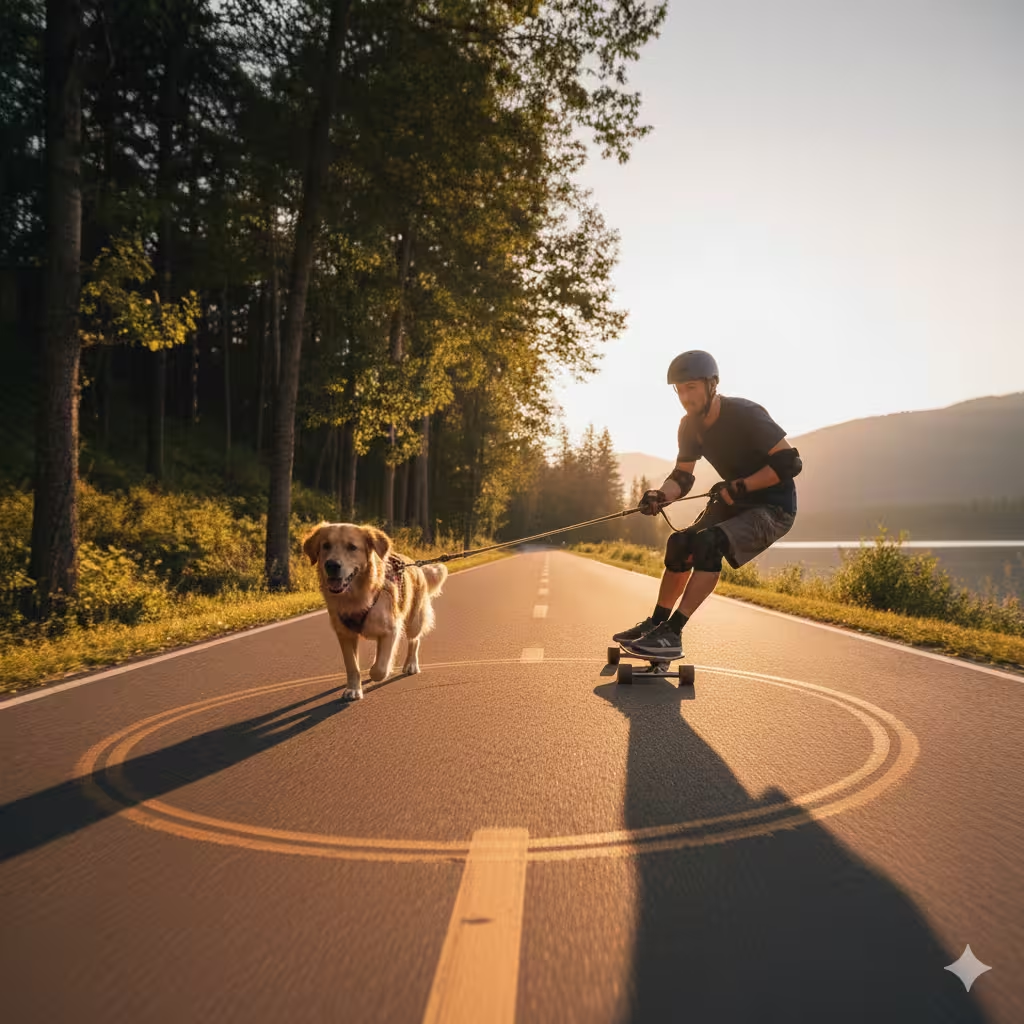
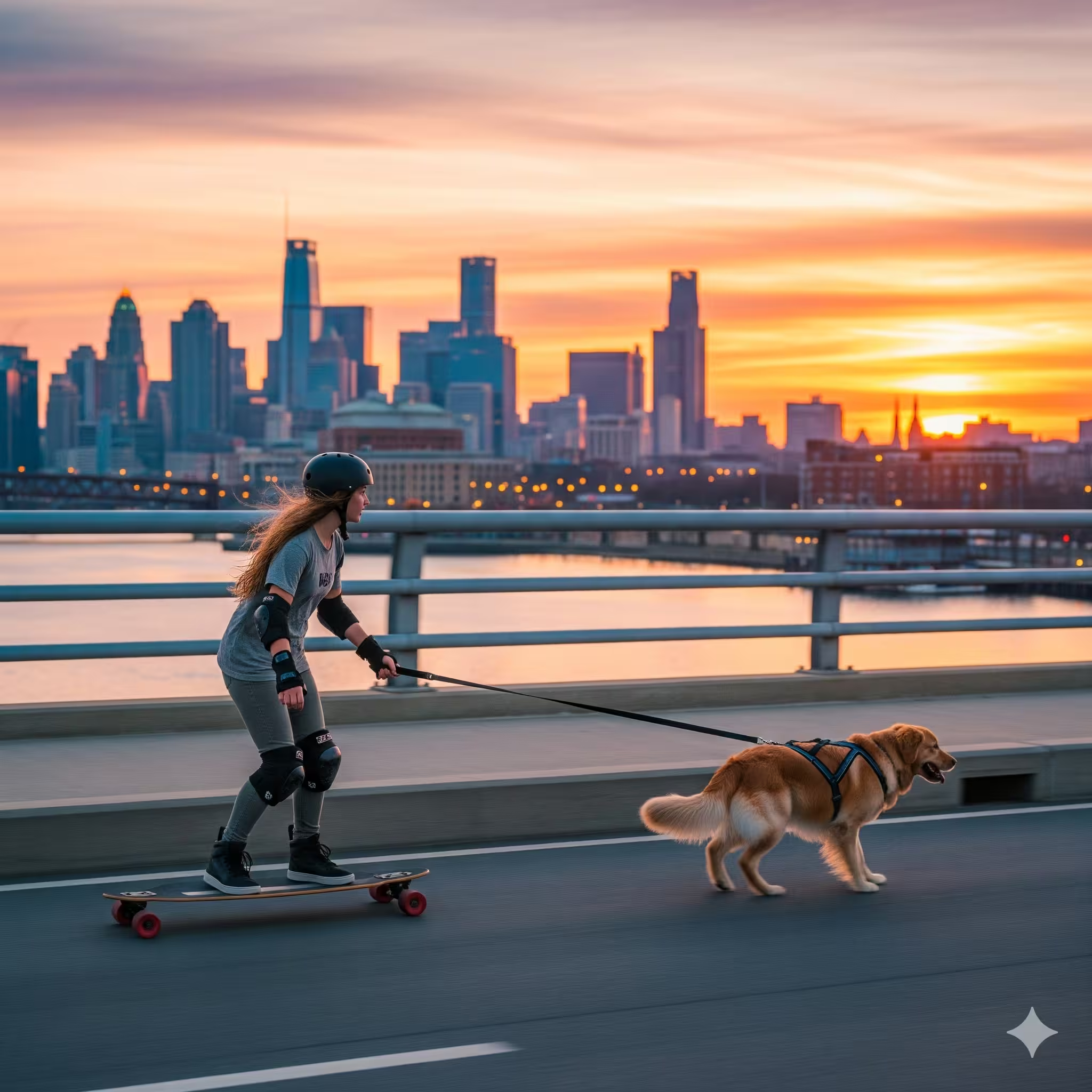
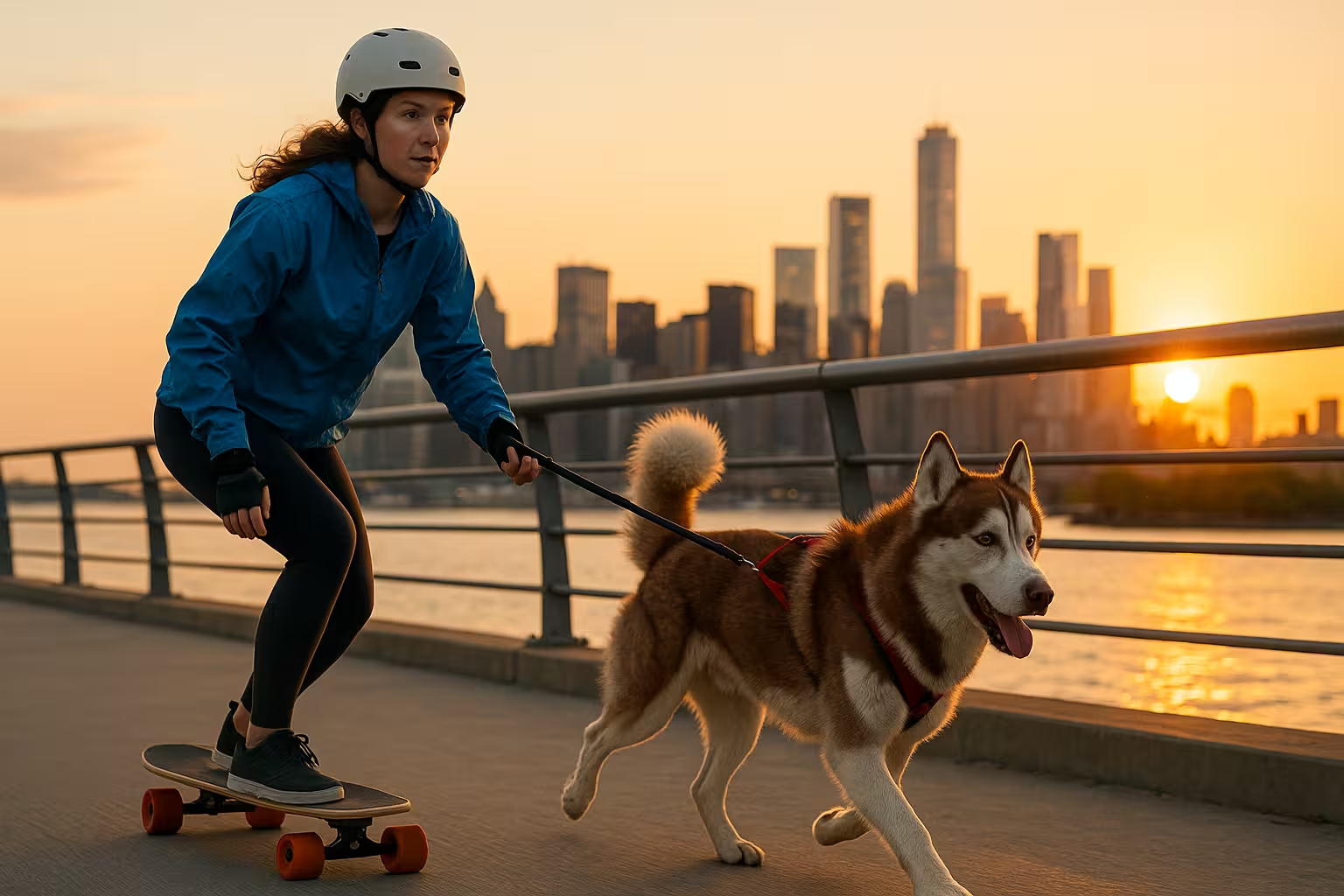
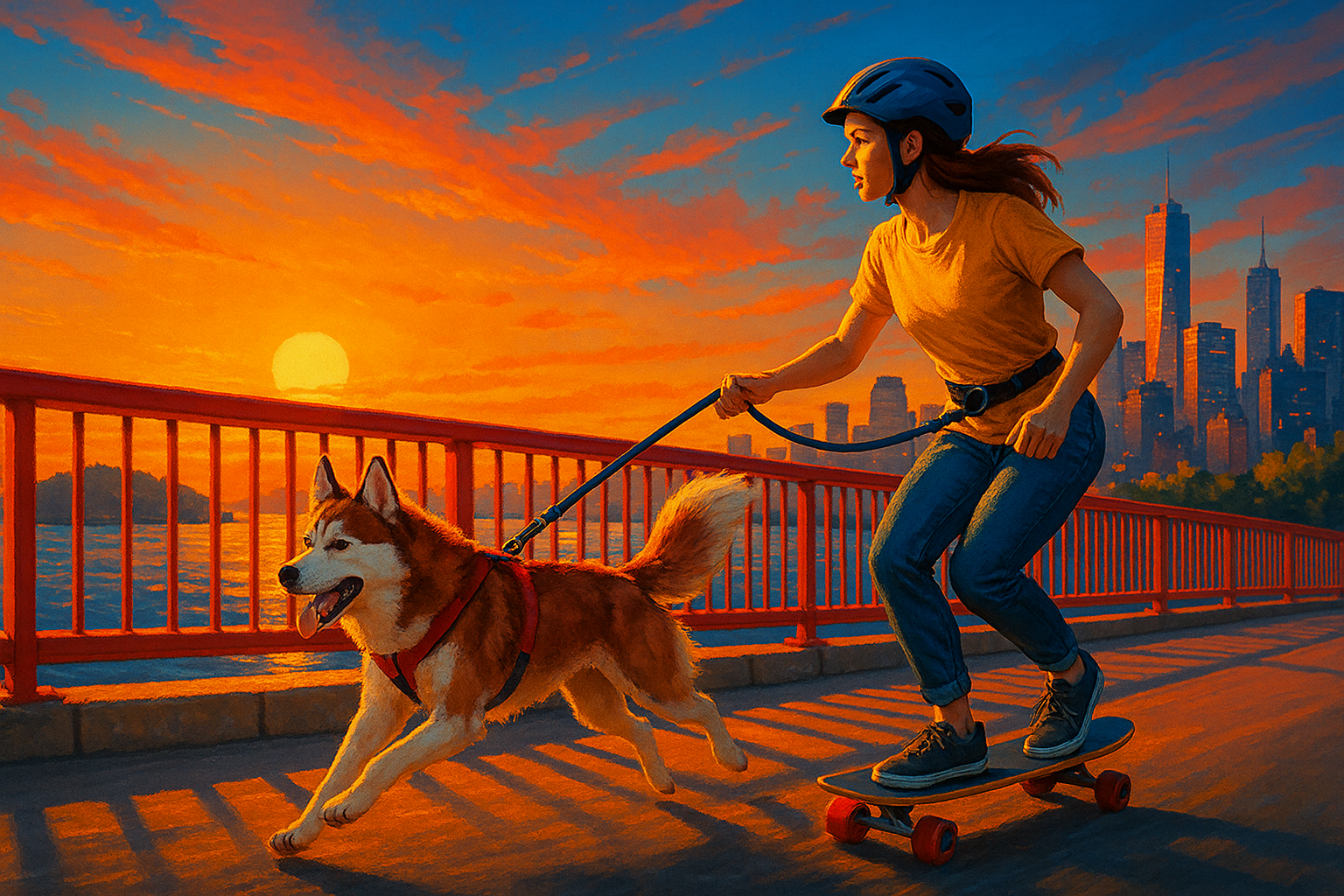
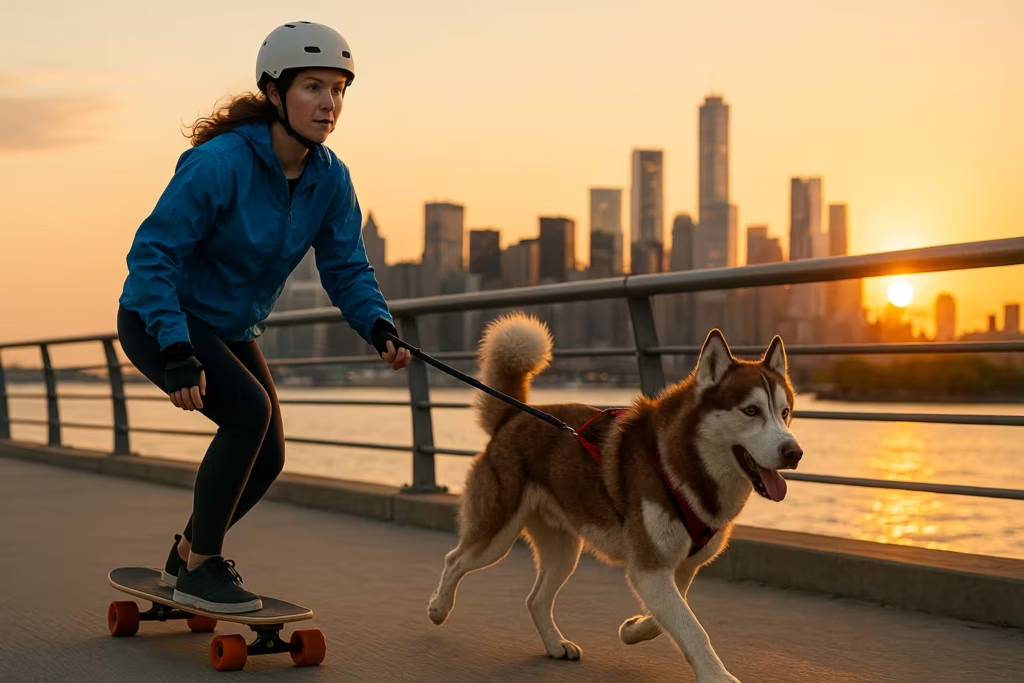
Having the right equipment is critical for safety and performance when longboardjoring with a dog. Investing in quality gear protects both you and your canine partner and makes the experience more enjoyable. Below is a checklist of essential items.
- Properly Fitted Pulling Harness: A standard walking harness won’t do. You need a specific J-back, X-back, or spreader-bar harness designed for pulling sports to allow for full range of motion.
- Bungee Towline: A 6-10 foot towline with an integrated bungee is crucial. The bungee absorbs shock, protecting your dog’s back and providing a smoother ride for you.
- Stable Longboard: A drop-through or drop-deck longboard provides a lower center of gravity for stability. Choose wide trucks and soft, large wheels (70mm+) to roll over small cracks easily.
- Human Safety Gear: A helmet is mandatory. Wrist guards, elbow pads, and knee pads are also highly recommended. A fall at speed can be serious.
- Canine First-Aid Kit & Water: Always carry water for your dog. A basic first-aid kit with paw balm, bandages, and antiseptic wipes is also a wise addition for any outdoor adventure.
Effective environmental management to ensure safety, like choosing a safe location, is as important as having the right gear. Start on wide, smooth, and low-traffic paths to set your team up for success.
How-To: Getting Started With Longboardjoring with a Dog
Learning to practice longboardjoring with a dog requires a methodical approach that prioritizes safety and confidence. The process is a perfect application of shaping, a key concept in dog training, where you reward successive approximations of the final behavior. Becoming proficient can take several weeks to months, depending on your team’s prior experience.
Phase 1: Foundation (Dog-Free)
Before introducing your dog, you must be an expert on your board. Your movements should be second nature so you can focus entirely on your dog and the environment once you’re teamed up.
- Master the Foot-Brake: Practice dragging your foot for a smooth, controlled stop from various speeds. This is your primary braking method.
- Perfect Your Carve Stops: Learn to bleed speed by making wide ‘S’ turns. This is essential for managing momentum on slight declines.
- Practice Emergency Bails: Know how to safely step or roll off your board in an emergency. Practice this on soft grass until it’s automatic.
Phase 2: Introduction and Cues
This phase introduces the dog to the equipment and basic cues on foot. The goal is to create positive associations using the principles of operant conditioning to build associations.
- Harness & Board Acclimation: Let your dog investigate the gear and reward curiosity. Have them wear the harness for short periods during fun activities.
- Teach Pulling Cues on Foot: With your dog in harness, jog while holding the towline. Use a clear, enthusiastic cue like “Hike!” and reward any forward tension.
- Introduce Directional Cues: While jogging, teach “Gee” (right) and “Haw” (left). Lure them in the correct direction and reward heavily.
- Teach “On By”: This cue is for passing distractions. Practice jogging past boring objects, then gradually increase the difficulty.
- Teach “Whoa”: This is your emergency stop. Teach it separately as a rock-solid stand-stay.
Top Breeds for Longboardjoring
A comparison of key traits for dog-powered sports. Ratings are on a 1 (Low) to 5 (High) scale.
Phase 3: The First Rollout
This is where it all comes together. Choose a flat, straight, and deserted paved path. The same principle of starting slow applies here as when you help a new puppy adjust to their home.
- Clip In & Push Start: Clip the towline to your harness (never hold it). Push-start to a very gentle roll.
- Cue “Hike!”: As you roll, give your enthusiastic pull cue. The moment your dog creates tension, praise them lavishly.
- Keep it Short: Go for only 20-30 yards on your first few attempts. End on a high note with a jackpot reward.
- Practice Stopping: Use your “Whoa” cue, followed immediately by your foot-brake. Reward the stop.
Why Longboardjoring with a Dog Works: The Behavioral Science
Longboardjoring with a dog is more than a workout; it’s powerful canine enrichment that taps into deep-seated needs. For many dogs, especially northern breeds and working lines, the desire to run and pull is a genetically ingrained motor pattern. Providing a safe outlet for this can be fulfilling, reducing frustration and problem behaviors, making it one of the best activities for canine enrichment available.
The training process for longboardjoring with a dog reinforces a strong partnership. By using clear cues and rewards, you build a communication system based on trust. This is a practical application of managing your dog’s thresholds, teaching them to work effectively without becoming overstimulated.
Furthermore, the shared focus strengthens the human-animal bond. The dog must trust your guidance, and you must trust their power. This symbiotic relationship creates a profound sense of teamwork that translates to better behavior in all aspects of life.
Explore Different Longboardjoring Styles
Longboardjoring isn’t one-size-fits-all. As you and your dog gain experience with longboardjoring with a dog, you can explore different styles that match your energy levels, terrain, and goals.
- Urban Cruising: The most common style, focused on steady pulling over long distances on smooth, paved surfaces. It’s best for dogs with good stamina and handlers who enjoy long, rhythmic rides.
- Interval Sprinting: This involves short, high-intensity bursts of speed in a safe area, followed by rest periods. It’s excellent for building power in high-drive, athletic dogs that love to run flat-out.
- Technical Trail Riding: An advanced discipline for skilled teams, this style involves navigating wider dirt trails with gentle turns. It requires precise directional cues and excellent communication.
- For most teams, longboardjoring with a dog works best in 30–60 second glides with generous sniff and water breaks.
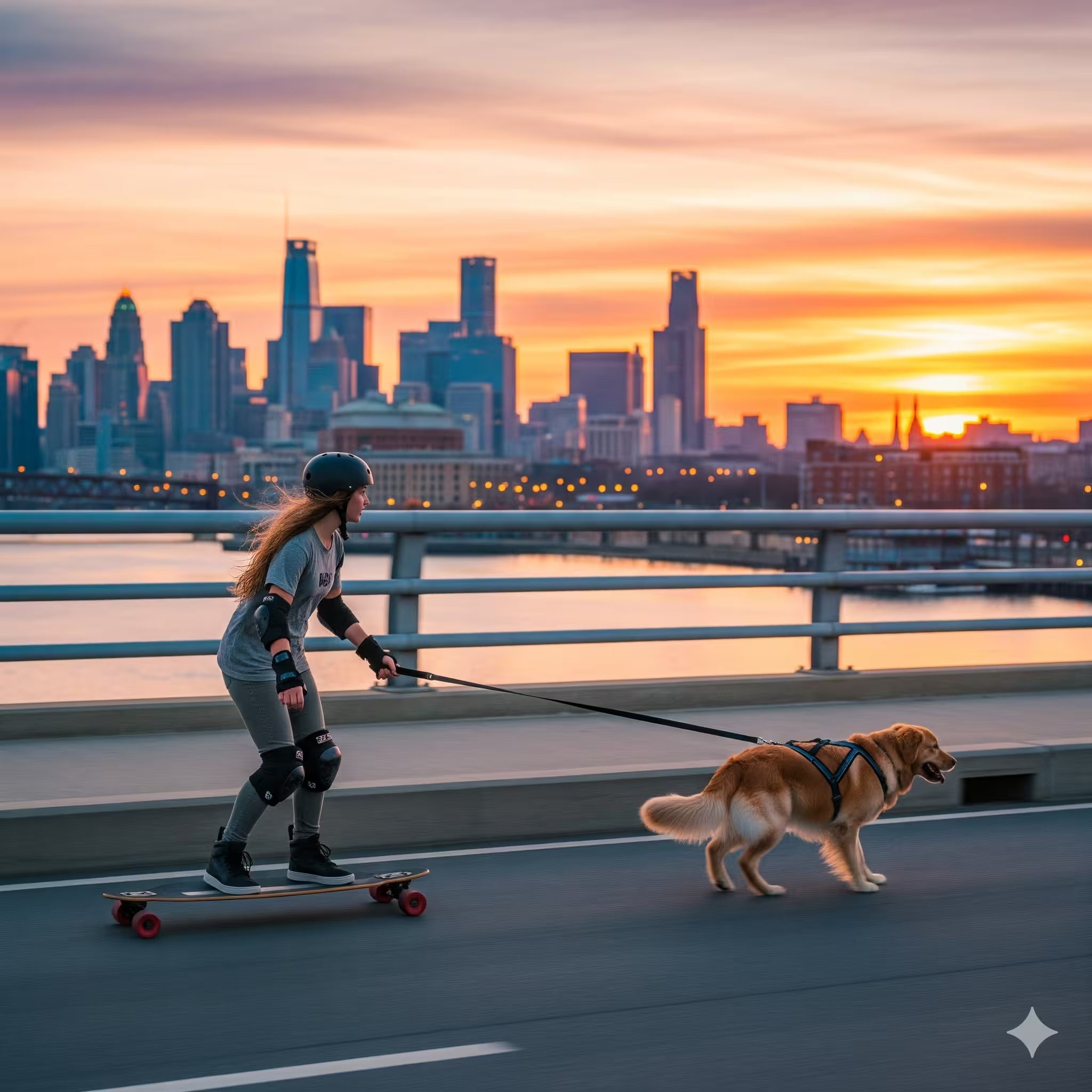
Assisted Push & Straight Pull
Push to a slow roll, then reinforce 2–3 seconds of straight, steady tension. Keep speed capped with micro-carves.
Details & Quick Plan
Clean, straight pulls at a gentle roll
3–5 sets × 30–45 s
- Clip to waist belt with a bungee line; verify route is quiet and clear.
- Push-start, then cue “Hike!” as you stabilize your stance.
- Mark 2–3 seconds of level, straight tension; pay forward and low arousal.
- Micro-carve to manage speed; finish with water and a short sniff.
Speed Governor (Carving)
Link shallow S-turns to bleed speed while your dog maintains a straight, steady pull and soft line tension.
Details & Coaching Tips
Safe, predictable speed control
3–4 sets × 45–60 s
- Rehearse carving without the dog until stable and smooth.
- Every 3–5 seconds cue “Easy” and add a micro-carve to pair sensation with the cue.
- Keep turns wide—avoid tight angles that snap the line slack.
- Reward calm rhythm; quit while your dog is eager for more.
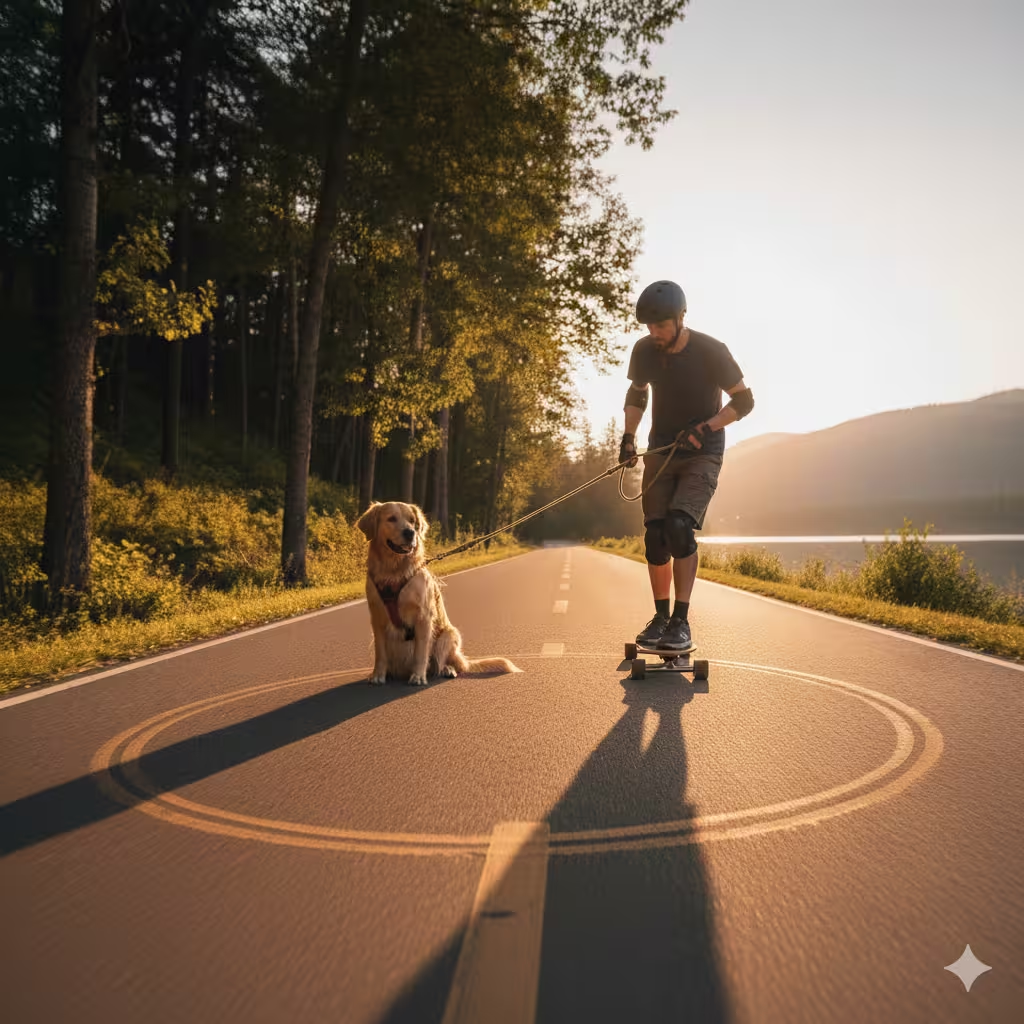
Halt on “Whoa”
Call “Whoa,” foot-brake to zero, mark stillness, then release to a calm sniff-and-water exit to make halts valuable.
Details & Exit Routine
Fast, reliable halts
2–4 sets × 30–40 s
- Pre-load value for stillness off-board: mark quiet four-on-the-floor.
- On the board, cue “Whoa”, foot-brake to zero, then mark stillness.
- Pay generously while stationary; unclip → sniff → water → shade.
- End early so halts predict comfort and clarity next time.
Troubleshooting Longboardjoring with a Dog (Quick Fixes)
My dog won’t pull or seems hesitant. This often stems from a lack of confidence. Go back to building value for pulling on foot without the board. Make it an incredibly fun game. Also, check harness fit; an uncomfortable harness will shut a dog down. A positive first experience is key, just like when you’re helping a puppy learn to be gentle around children.
My dog gets easily distracted. This is a sign you’ve moved too fast in your training for longboardjoring with a dog. You need a bulletproof “On By” cue. Return to a less distracting environment and practice heavily. Set up training scenarios with controlled distractions at a distance your dog can handle. Consulting a resource like our interactive puppy socialization tool can provide a framework for managing exposure.
My dog pulls to one side instead of straight ahead. This can be a habit or a physical issue. First, rule out any discomfort or injury with a vet check. If the dog is healthy, work on this on foot. Use a path with a clear border (like grass) on one side to encourage straight-line movement. Reward heavily for any duration of pulling straight.
Frequently Asked Questions
What’s the best age to start longboardjoring with a dog?
Wait until your dog is physically mature, typically between 1.5 to 2 years old. Growth plates need to be closed to safely handle the repetitive impact and strain of a pulling sport. Consult your veterinarian to confirm your dog is ready.
How do I stop if my dog won’t listen to the “Whoa” cue?
Your stopping plan must rely on your skills—foot-braking and carving—never solely on the dog. If “Whoa” isn’t reliable, you’re not ready for challenging environments. Drop criteria and retrain the cue in a calm area until it’s 100% solid before you add speed or distractions.
Is longboardjoring with a dog safe on streets?
It’s strongly recommended to avoid streets with traffic. The risk of a car, pedestrian, or unexpected obstacle is too high. Choose dedicated bike paths, empty parking lots, or quiet residential roads with excellent visibility and minimal traffic.
What surfaces are best for longboardjoring?
Smooth, clean pavement is ideal for longboardjoring with a dog. Asphalt bike paths are often perfect. Avoid rough asphalt that’s abrasive to paws, and be cautious of sidewalks with many cracks. Never attempt sessions on gravel or loose surfaces.
How can I protect my dog’s paws?
Check pavement temperature with your hand—if it’s too hot for you, it’s too hot for them. Keep early sessions short to let pads toughen up, inspect paws after each run, consider a quality paw wax, and use booties for sensitive dogs or rough terrain.
Conclusion: Your Next Steps
You now have the knowledge to begin your journey into longboardjoring with a dog. Remember that safety, patience, and positive reinforcement are the keys to success in this rewarding sport. This sport is a marathon, not a sprint. Take the time to build your skills and your dog’s confidence, and you’ll be rewarded with an incredible bonding experience and a fantastic outlet for your dog’s energy.
Your next step is to master your own longboarding skills and begin the on-foot training cues. Once you both have a solid foundation, you can move on to your first exciting rollout. Happy joring! For more ways to engage your dog’s mind and body, explore more dog enrichment ideas here. With steady practice, longboardjoring with a dog builds impulse control, safe speed, and a predictable routine your dog can trust.
Find Your Urban Mushing Activity
Answer a few questions about your dog, environment, and skills. We’ll rank the best activities and provide a tailored equipment and training plan.
Human skills / comfort
Gear you already own
Your Recommendations
Choose your settings and press Get Recommendations to see your personalized results.
Health note: Avoid high-impact pulling sports for puppies with open growth plates. Ask your veterinarian before starting any new activity.

Christopher Quinn adopted his first dog, Loki, a spirited Border Collie/Jack Russell mix, after exiting Army service in the summer of 2012. That experience sparked a lifelong passion for canine behavior and positive reinforcement training.
He studied Principles of Dog Training & Behavior at Penn Foster and has since worked with hundreds of dogs from all backgrounds. Over the past two years, Christopher has fostered more than 30 rescue dogs, giving each one a chance at a better life.
Today, he continues to write, teach, and share insights on humane dog training, blending hands-on experience with a decade of dedicated study.