
Loose-Leash Walking for Puppies & Beginners: A Positive, Vet-Friendly Guide
Build calm, cooperative walks using modern reward-based methods. This plan blends positive reinforcement, operant conditioning, and threshold management so pulling drops while confidence and engagement rise.
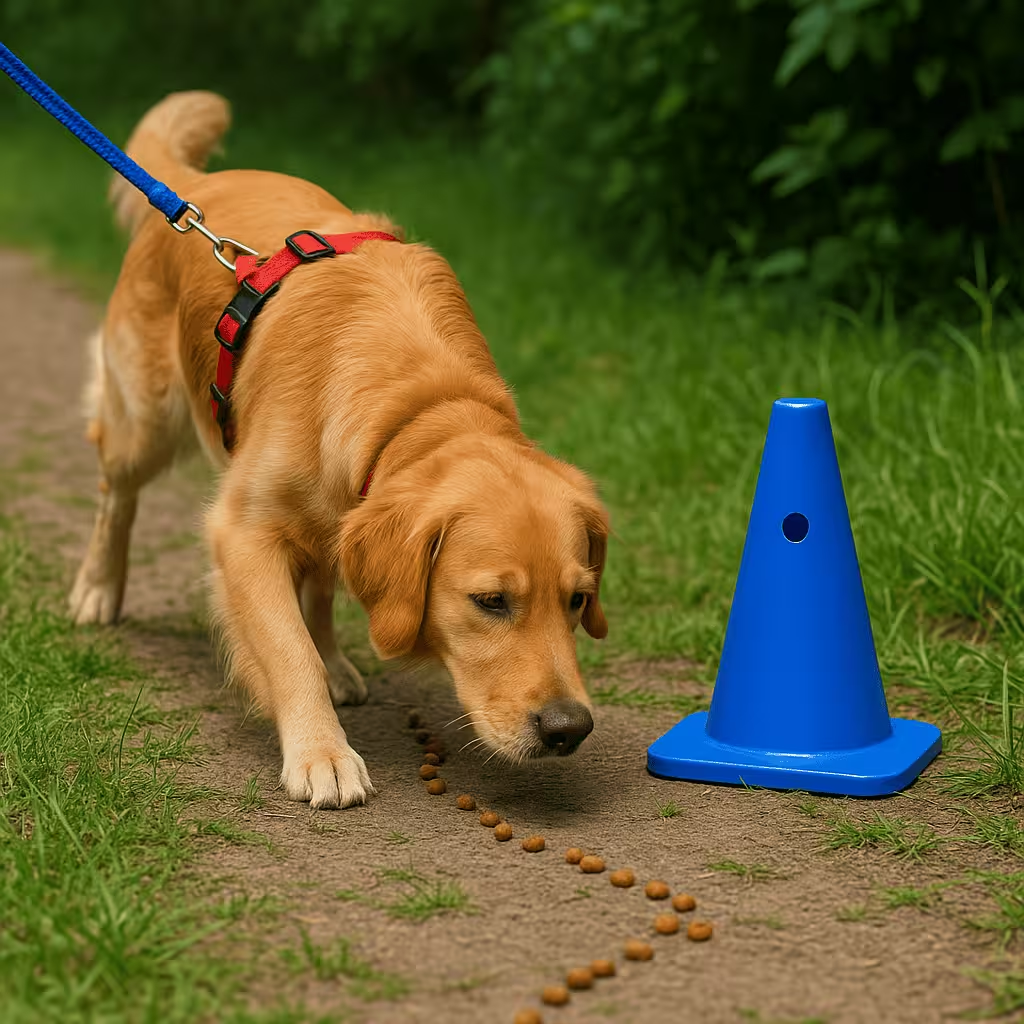
Why reward-based loose-leash walking works—and feels better for dogs
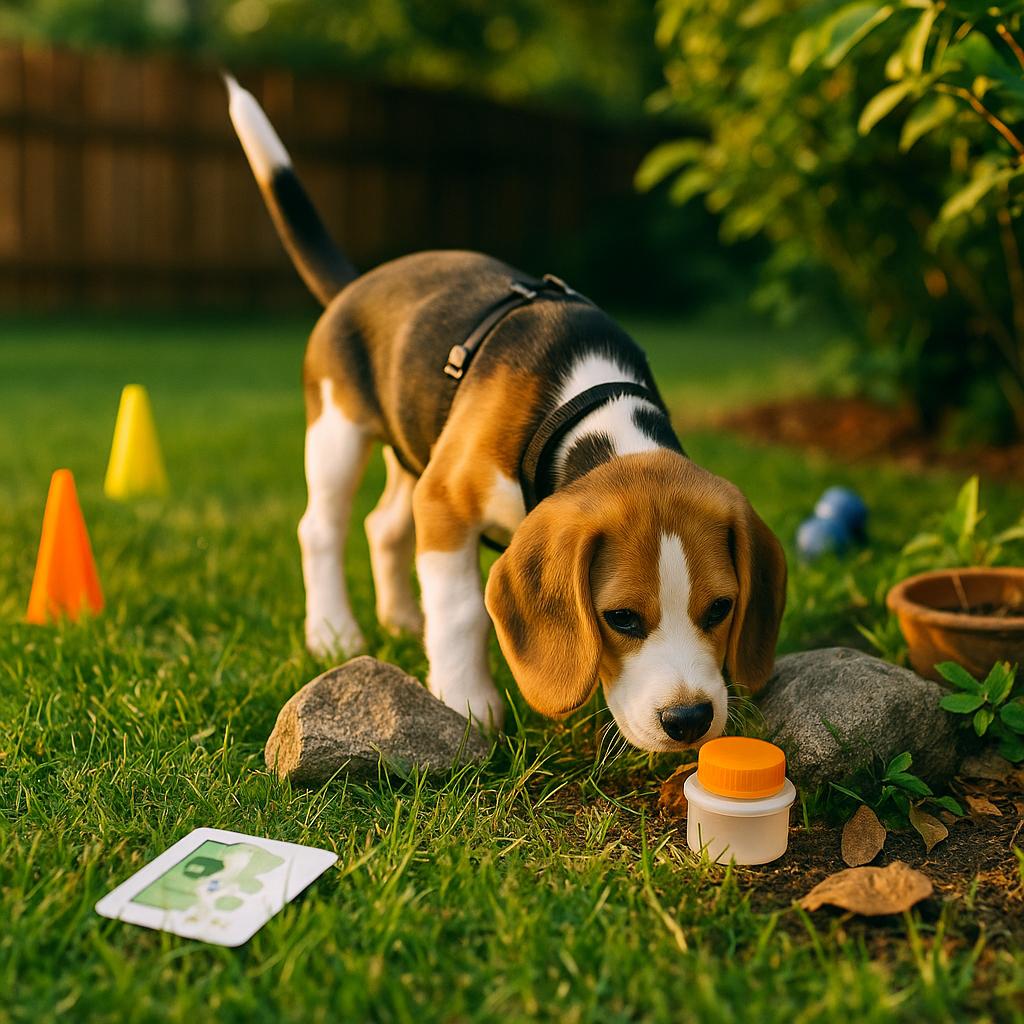
Pulling happens because the environment rewards it—forward motion, social access, exciting smells. The fix is not force; it’s better reinforcement. With positive reinforcement done right, we reinforce what we want (a soft, U-shaped leash and check-ins) more often than the world reinforces pulling. That’s classic operant conditioning.
For sensitive pups or a puppy that’s worried about everything, success starts with management and gradual exposure. Use the management & environmental control guide to control distance from triggers; layer in decompression from the dog enrichment activities list; and rotate calm activities with the PupCommand Enrichment HUD.
New families benefit from routine structure in helping a new puppy adjust and intentional social field trips guided by the Puppy Socialization Tool.
Smart gear & quick setup (no special gadgets)
Front-clip harness
Gives gentle steering leverage without neck pressure. Pair with a fixed-length 6–8ft leash.
Comfort & safety scoreReward plan
Use small, soft treats; add sniff breaks as a powerful “life reward.” Keep treats within the 10% rule below.
Food + environmental rewards mixRoute & thresholds
Pick wide, boring routes at first. Use threshold management to stay under arousal limits.
Impact on early successTreat pouch & marker
Wear rewards forward and use a crisp verbal “Yes!” so timing is tight—even before delivery.
Timing & convenience boostWhat creates success? The skill mix (donut chart)
Step-by-step: from hallway reps to sidewalk wins
Mark & pay check-ins at home
Clip leash indoors. Every eye flick to you gets a quick “Yes!” and a treat delivered by your knee. This builds the idea that you’re the most rewarding landmark.
Use shaping to grow from accidental check-ins to purposeful ones.
Hallway “silky leash” reps
Take one step; if leash stays soft, mark & feed at your seam. If it tightens, stop and wait for slack, then mark and feed near position.
Front-yard field trips
Short sessions in low-distraction spaces. Layer in sniff breaks as jackpots for staying with you—sniffing is a currency.
Add mild distractions
Work at a distance where your pup can still eat and think (under threshold). Increase only one criterion at a time: distance, duration, or distraction.
Real-world walk formula
Rotate: 20–40 sec engagement → 10–20 sec sniff. Reset whenever the leash tightens: stop, feed for slack, or U-turn to an easier line.
New to family walks? See teaching a puppy to be gentle with kids for safe handler roles.
Interactive shaping planner
Pick one criterion for today and nudge it 5–10%. Keep sessions short; end on a win. This mirrors the way shaping grows behaviors without frustration.
Tip: If performance dips, drop back one notch and bank easy wins.
Keep two “easy days” each week to prevent overwhelm—see threshold management.
Improve timing by rehearsing marker → treat delivery at your seam indoors for 2 minutes/day.
Calorie-smart rewards (keep treats inside the 10% rule)
For a 600 kcal/day puppy, the treat cap is ~60 kcal. Use tiny soft treats and mix with “life rewards” like sniffing and greeting when behavior is on budget.
Troubleshooting common snags
“My puppy pancakes and won’t move.”
Lower the difficulty: shorten session, increase distance from triggers, switch to a quieter route. Feed a few rapid treats for “any step forward,” then release to a brief sniff. If worried in general, use the Puppy Socialization Tool to plan micro-field trips.
Pulling to greet people or dogs.
Stop when the leash goes tight; mark and pay for turning back or for slack. Approach only when there’s slack. Greeting becomes the reward for your criteria—not the cause of pulling.
Over-arousal around wildlife/cars/bikes.
Turn your body into a visual barrier; U-turn early. Practice at a parking-lot distance first. If the pup can’t eat, you’re over threshold—increase distance and restart with easy reps.
Family coordination with kids.
Adults manage the leash; kids deliver the “Yes!” and treat at stops, or run the sniff timer. See puppy & kids: gentle interactions for roles.
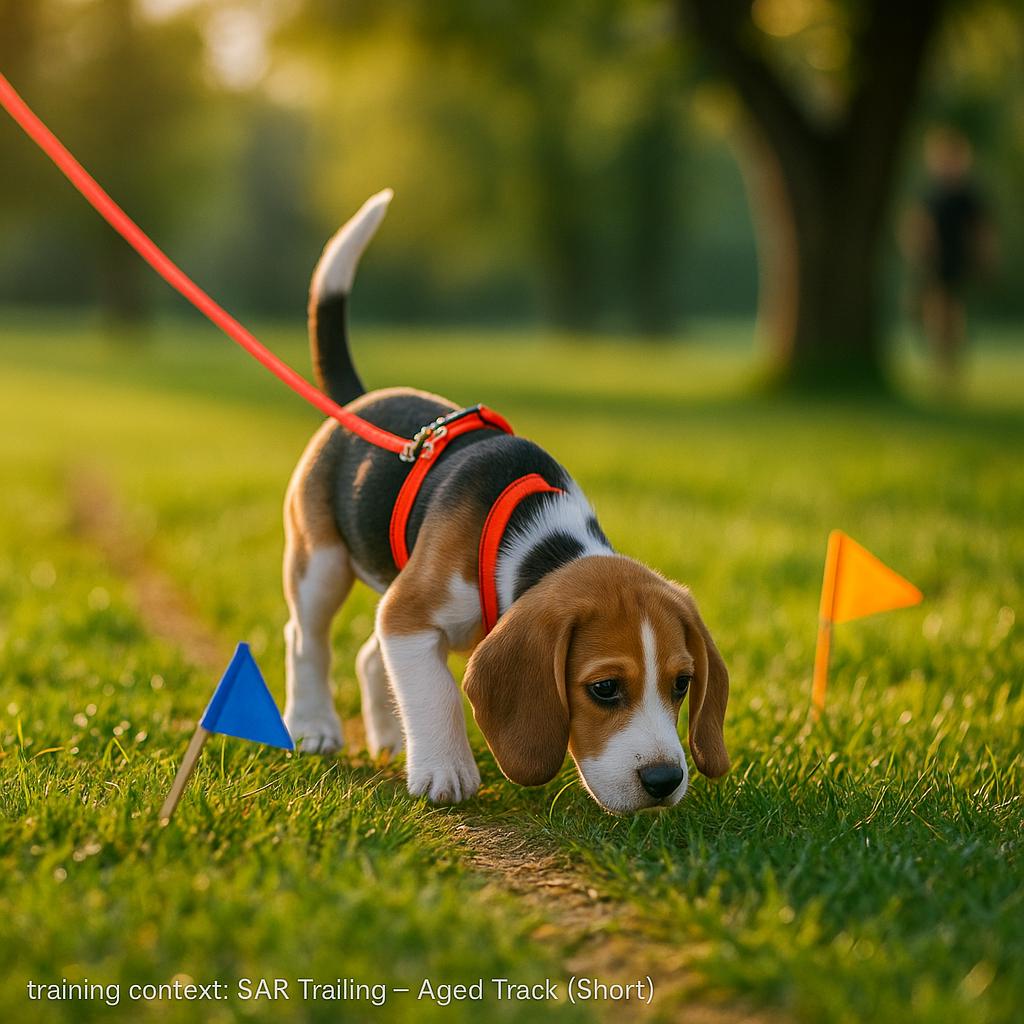
Real-life examples
Frequently asked questions
How long until we see progress?
Most teams see softer leash moments in 3–7 short sessions. Neighborhood-ready reliability usually builds over 2–6 weeks depending on age, arousal, and environment.
Are retractable leashes okay?
They keep mild tension “on,” which teaches the opposite of slack. Use a fixed-length leash for training; graduate later if you truly need more roam on quiet trails.
What if my puppy is scared outdoors?
Prioritize decompression and confidence building at home. Follow new-puppy adjustment steps and the “puppy scared of everything” roadmap. Walk goals can wait—welfare first.
Keep novelty high, arousal low
Rotate calm activities with the PupCommand Enrichment HUD and pick low-impact ideas from the dog enrichment guide to support leash success.

Christopher Quinn adopted his first dog, Loki, a spirited Border Collie/Jack Russell mix, after exiting Army service in the summer of 2012. That experience sparked a lifelong passion for canine behavior and positive reinforcement training.
He studied Principles of Dog Training & Behavior at Penn Foster and has since worked with hundreds of dogs from all backgrounds. Over the past two years, Christopher has fostered more than 30 rescue dogs, giving each one a chance at a better life.
Today, he continues to write, teach, and share insights on humane dog training, blending hands-on experience with a decade of dedicated study.