
Calm Leash Training Starts with Communication — Not Control
Teaching your dog to walk calmly on a leash can feel like an uphill battle—especially if every outing turns into a tug-of-war. But loose leash walking training doesn’t have to be stressful or confusing. With the right methods, even the most enthusiastic pullers can learn to walk politely at your side.
In this guide, we’ll walk you through 4 distinct positive reinforcement-based methods to train calm leash walking. Each one can be used on its own or layered together for faster, more reliable results.
Let’s get started.
1. 🧀 Lure and Reward Walking
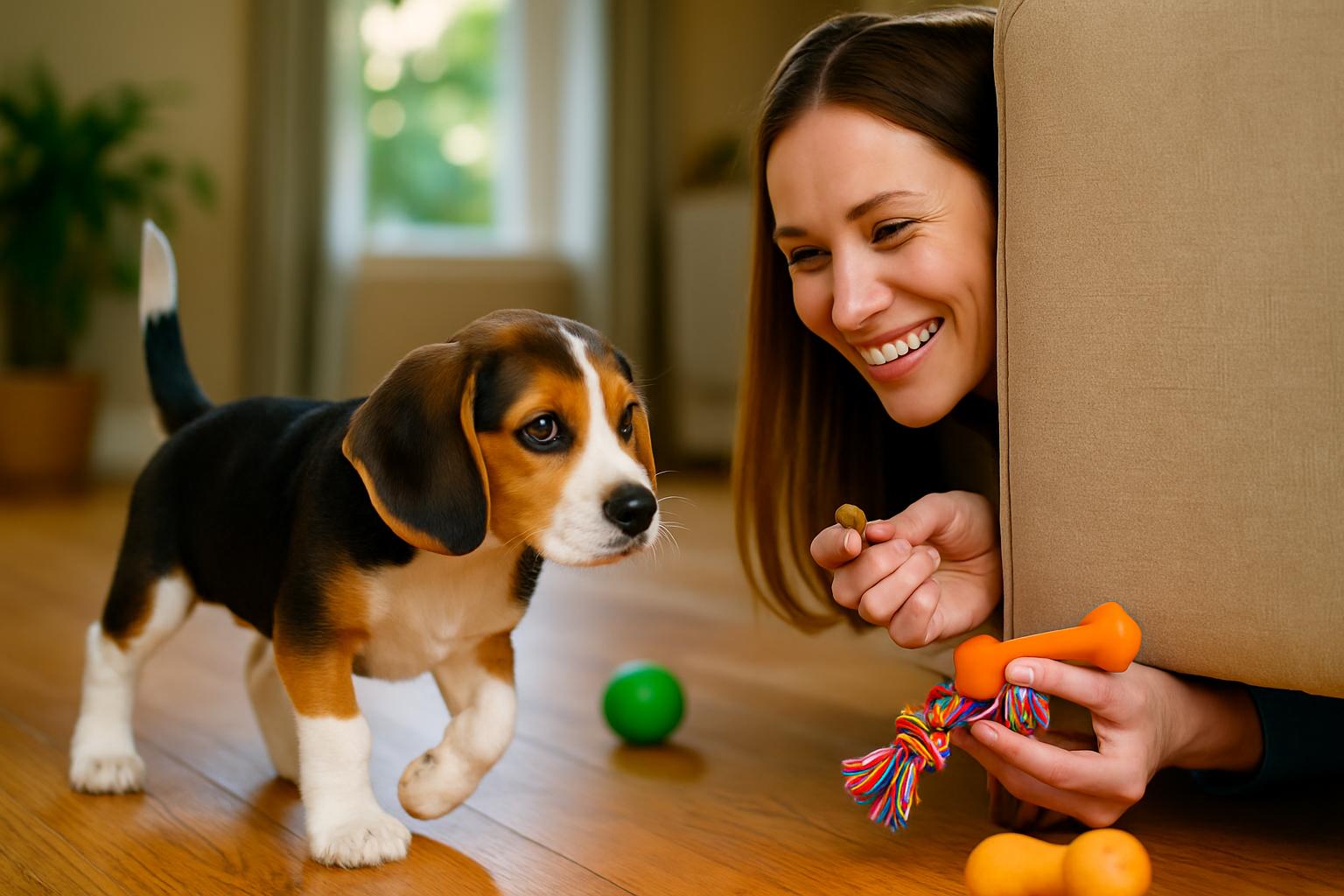
This foundational method is perfect for puppies or any dog just starting loose leash walking training. You’re going to use a treat to lure your dog into position, then reward them for walking nicely beside you.
How It Works:
- Hold a treat in your hand, close to your dog’s nose.
- Use the treat to guide them into the heel position (usually on your left side).
- Begin walking slowly, letting your dog follow the lure.
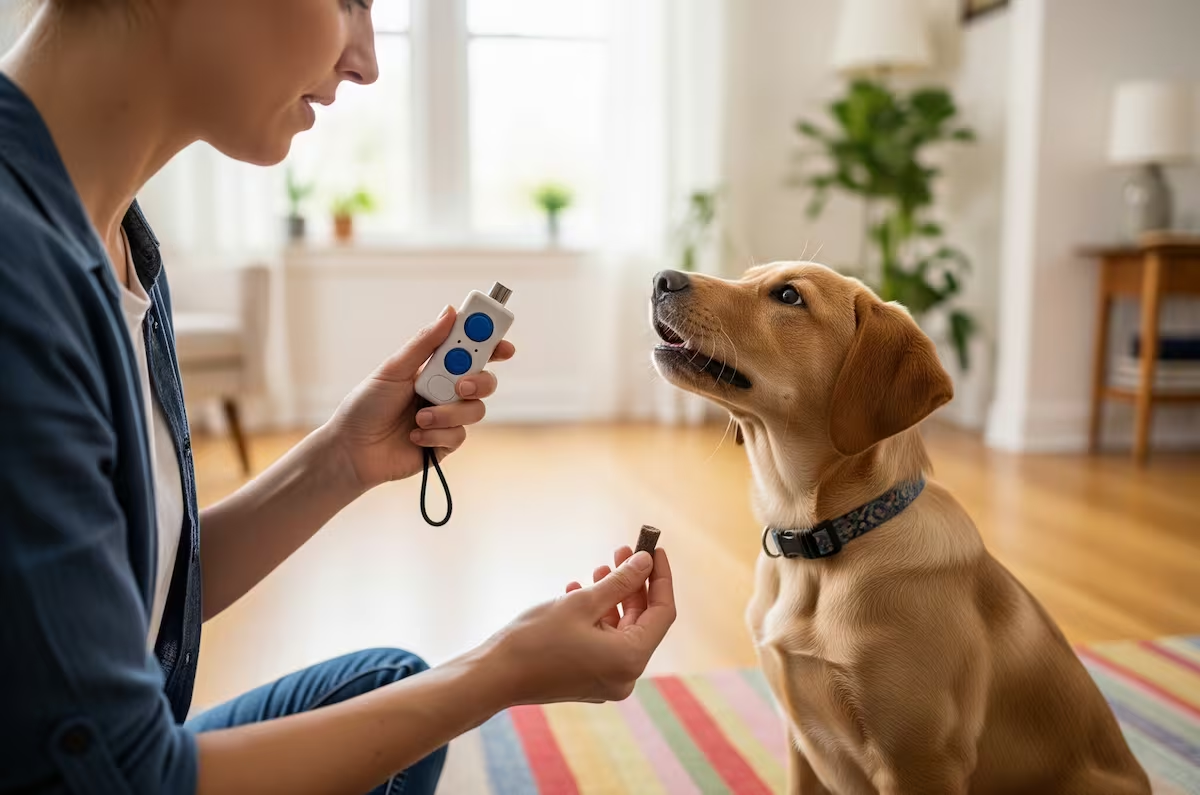
- After 2–3 steps of calm walking, say “Yes!” or click (if using a clicker), then give the treat.
- Repeat the process, increasing the number of steps before rewarding.

Why It Works:
Dogs naturally follow food. The lure helps them understand exactly where you want them to be. Over time, the treat becomes less necessary as they begin offering the behavior on their own.
Pro Tips:
- Use soft, high-value treats that your dog loves.
- Keep your hand low enough for easy sniffing—but don’t let them snatch the treat prematurely.
- Fade the lure as soon as possible and switch to intermittent rewards.
🐾 Loose-Leash Walking Mission
- Reinforce slack: mark & treat by your thigh whenever the leash dips.
- Pull = pause/turn: stop or make a gentle turn; reward when leash softens.
- Bank sniff breaks: pay with sniffing after calm steps (“earn the grass”).
- Keep it tiny: several short missions beat one long, messy walk.
2. 🎯 Click & Treat Reinforcement
This method teaches your dog to offer calm leash behavior without needing a constant food lure. It’s excellent for improving focus and precision during walks.
How It Works:
- Begin walking in a low-distraction area.
- Every time your dog voluntarily walks beside you, even for a step, use a marker word (“Yes!”) or click.
- Immediately reward with a treat from your pouch or pocket.
- Repeat frequently to build a strong reinforcement history.
Why It Works:
This approach rewards your dog for making good decisions. Instead of constantly prompting them, you reinforce what they do on their own—which is more powerful and longer-lasting.
This approach rewards your dog for making good decisions. Instead of constantly prompting them, you reinforce what they do on their own—which is more powerful and longer-lasting. For more detailed insights into the science behind positive reinforcement in dogs, see UC Davis School of Veterinary Medicine’s comprehensive guide to loose leash walking.
This technique is a practical application of shaping behavior, where you gradually build complex behaviors by rewarding small steps toward your goal.
Pro Tips:
- Use this method in short sessions (5–10 minutes).
- Reward close to your leg to encourage tight heel behavior.
- Use movement breaks (play or sniffing) as additional rewards.
Calm leash training: methods vs developmental traits
Compare four positive reinforcement leash training methods across key traits: ease of use, speed of learning, reliability over time, brain development support, learning ability match, attention span/distractibility, and drive & motivation channeling. Toggle an age profile to see how developmental factors shift suitability.
How to read this chart
Higher bars indicate better alignment between a method and the selected trait. Age profile applies a light scaling to reflect typical changes in brain development, learning ability, attention span, and drive.
3. 🔄 Pattern Games & Direction Changes
This method is especially useful for high-energy dogs who lose focus or pull toward distractions. It helps reset their brain and re-engage their attention mid-walk.
How It Works:
- If your dog pulls or gets overstimulated, suddenly change direction.
- Use cues like “This way!” or “Let’s go!” as you turn and walk the opposite way.
- When your dog reorients and follows, praise and reward.
- Continue walking in a new direction, adding more turns or changes as needed.
Why It Works:
Sudden changes in direction force your dog to pay attention to you. It interrupts fixations, resets arousal, and reinforces the idea that you are the leader of the walk, not the environment.
Pro Tips:
- Stay upbeat and energetic. Make the game fun.
- Don’t yank on the leash—your movement alone is the cue.
- Use this technique before your dog hits full overload mode.
4. 🔗 Harness-Based Redirection + Stop & Reset Protocol
This method combines the right gear with a clear rule: If you pull, we don’t move.
How It Works:
- Fit your dog with a quality no-pull harness (e.g., front-clip or double-clip).
- Begin walking in a normal pattern.
- The moment your dog pulls, stop completely.
- Wait silently until they release tension or return to your side.
- Reward when they do, then resume walking.
- Repeat every time they pull.
Why It Works:
Dogs learn by consequences. If pulling moves them forward, it reinforces the behavior. But if pulling stops the walk entirely, they begin to understand that walking calmly is the only way forward.
The no-pull harness reinforces this lesson by steering your dog back toward you when they pull, instead of allowing them to surge forward.
Pro Tips:
- Be consistent. If you give in “just this once,” the behavior will persist.
- Combine this method with the others above for stronger results.
- Avoid choke chains or prong collars—they cause discomfort but don’t teach your dog what to do instead.
Master Loose Leash Walking
Transform walks from frustrating to fantastic
Success Rate: Most dogs master loose leash walking within 2-4 weeks of consistent training!
- 1 Start indoors: Practice basic commands in a distraction-free environment before heading outside.
- 2 Reward immediately: The moment your dog walks beside you without pulling, mark it with praise and treats.
- 3 Stop when they pull: Become a tree! Don’t move forward until the leash relaxes.
- 4 Change direction: When your dog pulls ahead, turn and walk the opposite way to keep their attention.
🧠 Bonus: Combine Methods for Maximum Effect
These four techniques are not isolated. In fact, the most effective leash training programs combine them.
Here’s a sample layering strategy:
- Start with Lure & Reward for a few days to establish the position.
- Begin using Click & Treat to reinforce offered behavior.
- When your dog starts pulling or losing focus, use Pattern Changes to re-engage.
- Add the Stop & Reset + Harness protocol to clarify that pulling ends the walk.
💬 Final Thoughts: Your Leash = Your Language
Training your dog to walk calmly on a leash isn’t just about preventing pulling. Loose leash walking training is about creating a shared rhythm—a conversation between you and your pup.
Every method above is built on the principles of positive reinforcement and mutual understanding. These are not shortcuts. They’re real solutions, backed by behavioral science and trusted by top trainers around the world. For additional expert guidance on leash training fundamentals, visit the American Kennel Club’s expert advice on leash training for dogs and puppies.
With patience, structure, and consistent reinforcement, your dog will learn to walk beside you with trust and enthusiasm. You’ll go from dragging your dog (or being dragged) to enjoying peaceful, connected walks (counterconditioning that behavior).
Every method above is built on the principles of positive reinforcement and mutual understanding. These are not shortcuts. They’re real solutions, backed by behavioral science and trusted by top trainers around the world.
About the psychology behind calm leash training with positive reinforcement
Understanding why dogs pull on leash and how they learn is the foundation for choosing the right training method.
Dogs don’t naturally know how to walk politely at our side. From their perspective, the environment is full of sights, smells, and opportunities to explore. Psychology explains why loose leash walking training often feels like a tug-of-war: pulling has always worked for them in the past. If moving forward is the reward, the behavior repeats.
Positive reinforcement leash training changes that equation. By rewarding calm leash walking near your side, you shift your dog’s motivation. Their brain connects slack leash = good outcome. Over time, this association becomes stronger than the urge to drag you forward. This is why methods like lure and reward, click and treat reinforcement, and even harness-based stop and reset protocols work: they align with how dogs actually learn.
Why developmental stage matters
Puppies have limited brain development and short attention spans, which is why simple lure and reward walking works best in early months. Adolescent dogs, with higher drive and distractibility, benefit from pattern games and direction changes that re-engage focus. Adult dogs often show more reliability and can thrive with click and treat reinforcement layered with structured harness protocols.
The role of attention and motivation
A dog’s attention span and drive influence which leash training method works best. High-drive dogs with strong sniffing motivation may need pattern games or earned sniff breaks. Easily distracted puppies require short sessions and immediate rewards. By matching the psychology of your dog to the right loose leash walking technique, training becomes faster, clearer, and more enjoyable.
- Loose leash walking training works by changing the reward system: calm leash = forward movement + reinforcement.
- Developmental stage affects brain development, ability to learn, attention span, and drive—tailor methods accordingly.
- Positive reinforcement leash training avoids fear and builds trust, leading to reliable walking behavior over time.

Christopher Quinn adopted his first dog, Loki, a spirited Border Collie/Jack Russell mix, after exiting Army service in the summer of 2012. That experience sparked a lifelong passion for canine behavior and positive reinforcement training.
He studied Principles of Dog Training & Behavior at Penn Foster and has since worked with hundreds of dogs from all backgrounds. Over the past two years, Christopher has fostered more than 30 rescue dogs, giving each one a chance at a better life.
Today, he continues to write, teach, and share insights on humane dog training, blending hands-on experience with a decade of dedicated study.