

🐾 Muffin Tin Game: Easy DIY Dog Enrichment (Indoor, Low-Energy)
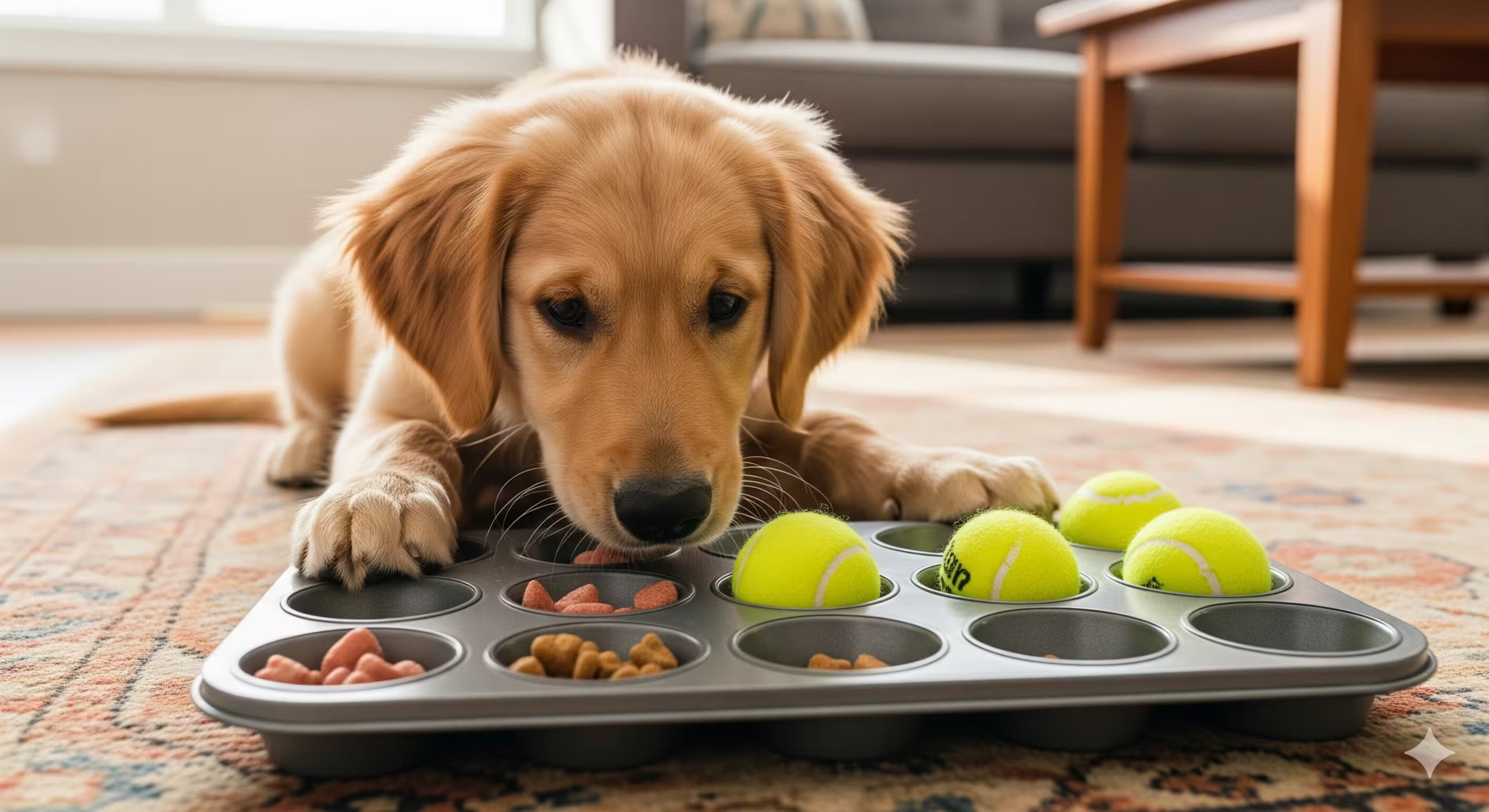
The muffin tin game is a simple, low-energy, indoor puzzle for puppies and adult dogs. Hide treats in the cups, cover them with balls, and let your dog uncover each one. It builds curiosity, problem-solving, and calm focus—perfect for rainy days, apartments, and short enrichment bursts.
Why muffin tin games calm dogs (and help people)
- Foraging outlet: gentle sniffing + searching bleeds off “busy brain” energy without over-arousal.
- Problem-solving reps: quick wins build confidence; you can shape the difficulty gradually.
- Low-impact, indoor friendly: great for apartments, convalescence days, or when you need a calm activity.
- Pairs well with training: reinforce calm starts & finishes using principles from operant conditioning and positive reinforcement 101.
- Management tool: use it while you cook, take calls, or settle kids—see environmental management.
What you need (simple DIY)
- Muffin tin (metal or silicone; 6-cup or 12-cup)
- Tennis balls or similar sized balls (enough to cover cups)
- Dry treats or kibble (small, non-sticky pieces)
Noise-sensitive pups? Try a silicone tin or line a metal tin with a dish towel for quiet play—ideal for sound-shy dogs (see help for sensitive puppies).
How to play the muffin tin game (3 steps)
- Treats in cups: Drop 1–2 small treats into a few muffin cups so success comes fast.
- Cover with balls: Place tennis balls on top. Start with some cups uncovered for an easy first win.
- Let your dog uncover: Encourage gentle nudges & paw moves; end on a win and calmly park the game.
Keep sessions brief (5–12 minutes). If your dog gets amped, step down difficulty and reset arousal with threshold management.
Variations & a simple difficulty ladder
1) Easy Start (half-covered)
Leave 3–4 cups uncovered; place balls on the rest. Reinforce first nose-touches and gentle pawing. (Great for new puppies—see adjusting to your home.)
2) Full Cover (all cups)
Cover every cup with a ball; reduce food in each cup so dogs keep moving. Ideal “busy but calm” setup for apartments.
3) Sniffari Mix
Scatter 10–20 kibbles on the floor, then load 4–6 cups. Alternate floor sniffing with tin uncovering for variety. See our enrichment library.
4) Quiet-Floor Confidence
Place the tin on a rug or yoga mat for grip and muted sound. Helpful for sound-sensitive families and homes with kids.
Want to raise criteria smoothly? Use shaping: fewer uncovered cups → smaller treats → more cups covered.
Muffin tin enrichment — four activity boxes
1) First Muffin Tin Session (2–5 min)
- Leave several cups uncovered; reinforce looks → nudges.
- Add 1–2 pieces per cup; refill once, then end.
- Park the game calmly (see positive reinforcement basics).

2) Scatter + Muffin Combo (5–10 min)
- Scatter 10–20 pieces; load 6–8 cups lightly.
- Alternate nose-work on floor and tin uncovering.
- Finish with a few easy reps using shaping.

3) Dinner Muffin Workout (10–12 min)
- Split the meal across cups; reduce bowl calories.
- Great after a short walk; end calm and reset for your next task.
- Grab your next idea from our enrichment ideas console.
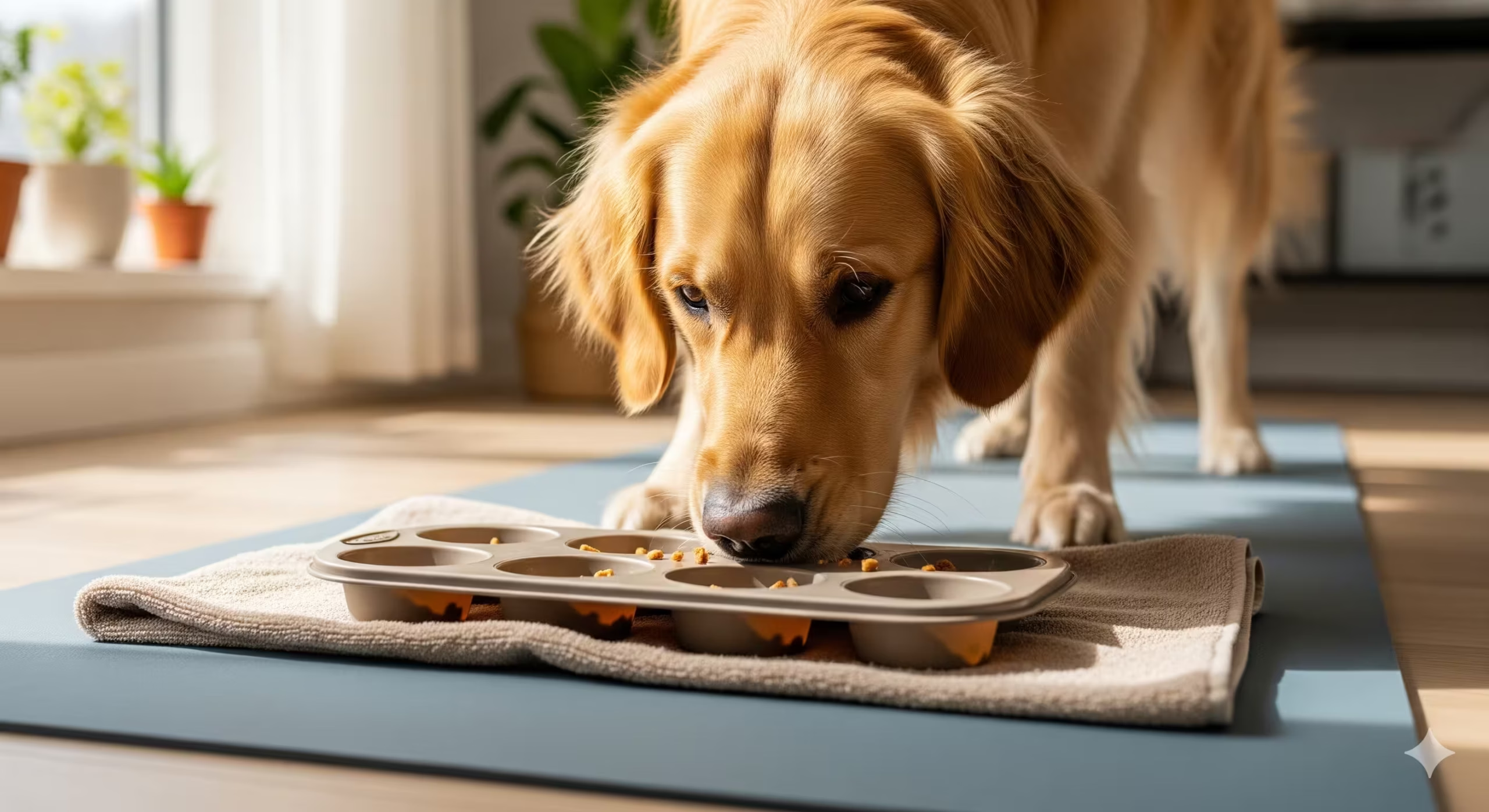
4) Quiet-Floor Confidence Game (3–6 min)
- Use a silicone tin or place metal tin on a rug to mute noise.
- Model gentle play around kids; remove the toy once empty.
- For social confidence practice, try the Puppy Socialization Tool.
Muffin tin game — FAQ & safety
Is the muffin tin game safe for dogs?
Yes when you supervise early sessions and select safe materials. Inspect balls and tins for cracks; avoid chewed or broken parts. For strong chewers, supervise closely and remove the game once empty.
What treats should I use?
Use small, dry pieces (kibble, tiny training treats, or dehydrated meat). Avoid sticky fillers that can smear or encourage licking metal edges.
My dog gets frustrated—what now?
Step down difficulty (more uncovered cups, fewer balls). Reinforce tiny successes and refer to threshold management to keep arousal in the “learning zone.”
DIY alternatives if I don’t have tennis balls?
Use crumpled paper cups, silicone cupcake molds, or soft toy balls that can’t be swallowed. Always match size to your dog and supervise.

Christopher Quinn adopted his first dog, Loki, a spirited Border Collie/Jack Russell mix, after exiting Army service in the summer of 2012. That experience sparked a lifelong passion for canine behavior and positive reinforcement training.
He studied Principles of Dog Training & Behavior at Penn Foster and has since worked with hundreds of dogs from all backgrounds. Over the past two years, Christopher has fostered more than 30 rescue dogs, giving each one a chance at a better life.
Today, he continues to write, teach, and share insights on humane dog training, blending hands-on experience with a decade of dedicated study.