
Perimeter Sniff Patrol for Dogs: Calm Training for Guardian Breeds

The Perimeter Sniff Patrol for dogs is a transformative piece of calm dog training, especially for guardian breeds prone to anxiety or fence-running. This exercise channels their natural instinct for a boundary patrol into a peaceful, on-leash sniffing activity. This decompression walk is the perfect enrichment routine to reduce reactivity.
Instead of frantic barking, we use positive reinforcement to reward quiet observation and deep, calming sniffs. It’s one of the most effective dog enrichment activities for building focus and impulse control.
Perimeter Sniff Patrol for Dogs Training Resources
Find helpful tools and quick-start guides at the end of this article to keep your training on track.
Jump to ResourcesWhy It Works: The Science of the Sniff
A dog’s nose is a powerful tool for understanding the world, and on-leash sniffing is a naturally decompressing activity. When a dog sniffs, their heart rate lowers, and they enter a more relaxed state. The Perimeter Sniff Patrol for dogs is ideal for guardian breeds training because it leverages this fact within the framework of operant conditioning.
We are actively conditioning our dogs to associate their property boundary with calm, focused behavior rather than high-arousal leash reactivity. This process is about empowering the dog to make better choices, providing them with a predictable and rewarding routine that satisfies their innate desires in a healthy way.
Who Benefits from This Enrichment Routine?
While almost any dog can benefit from the Perimeter Sniff Patrol for dogs, this exercise is particularly effective for:
- Guardian Breeds (e.g., German Shepherds, Mastiffs): It provides a clear ‘job’ that satisfies their instinct to monitor their territory and helps reduce fence-running.
- Reactive or Anxious Dogs: The structured nature of the boundary patrol helps build confidence. It’s an excellent tool for a puppy scared of everything.
- Dogs in New Environments: It’s a wonderful way to help a new dog adjust to your home by methodically exploring their new territory.
- High-Energy Dogs: Sniffing is mentally exhausting. 20 minutes of a decompression walk can be more tiring than a 40-minute run.
Key Concepts at a Glance
These visual guides illustrate the core principles of a successful Perimeter Sniff Patrol for dogs.
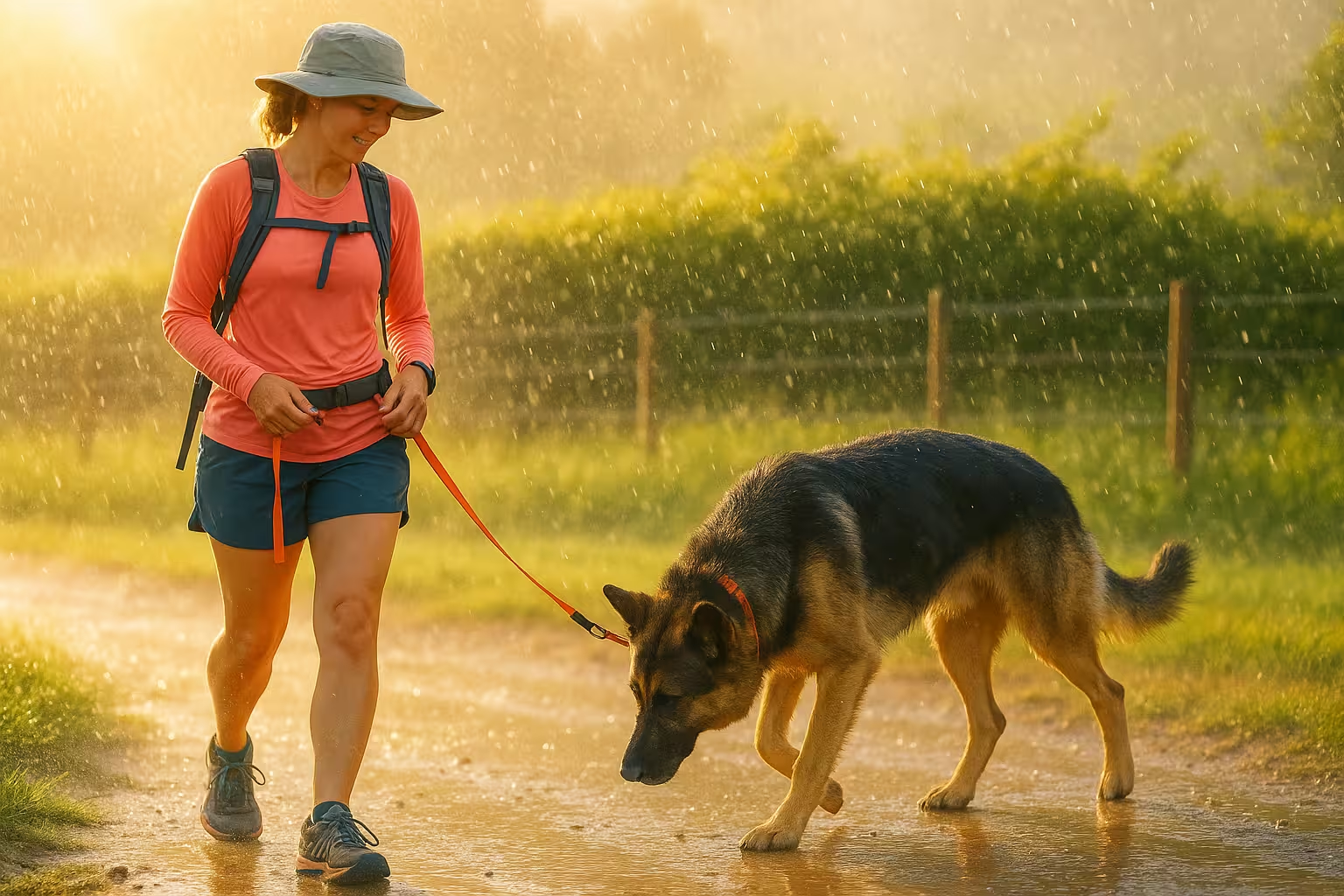
Visualizing a Calm Boundary
Visualizing a Calm Boundary
The ideal patrol is on a loose leash. Your dog should feel relaxed enough to sniff deeply. This indicates they are gathering information, not anxiously scanning for threats. Your calm handling is key.

The Reward Moment
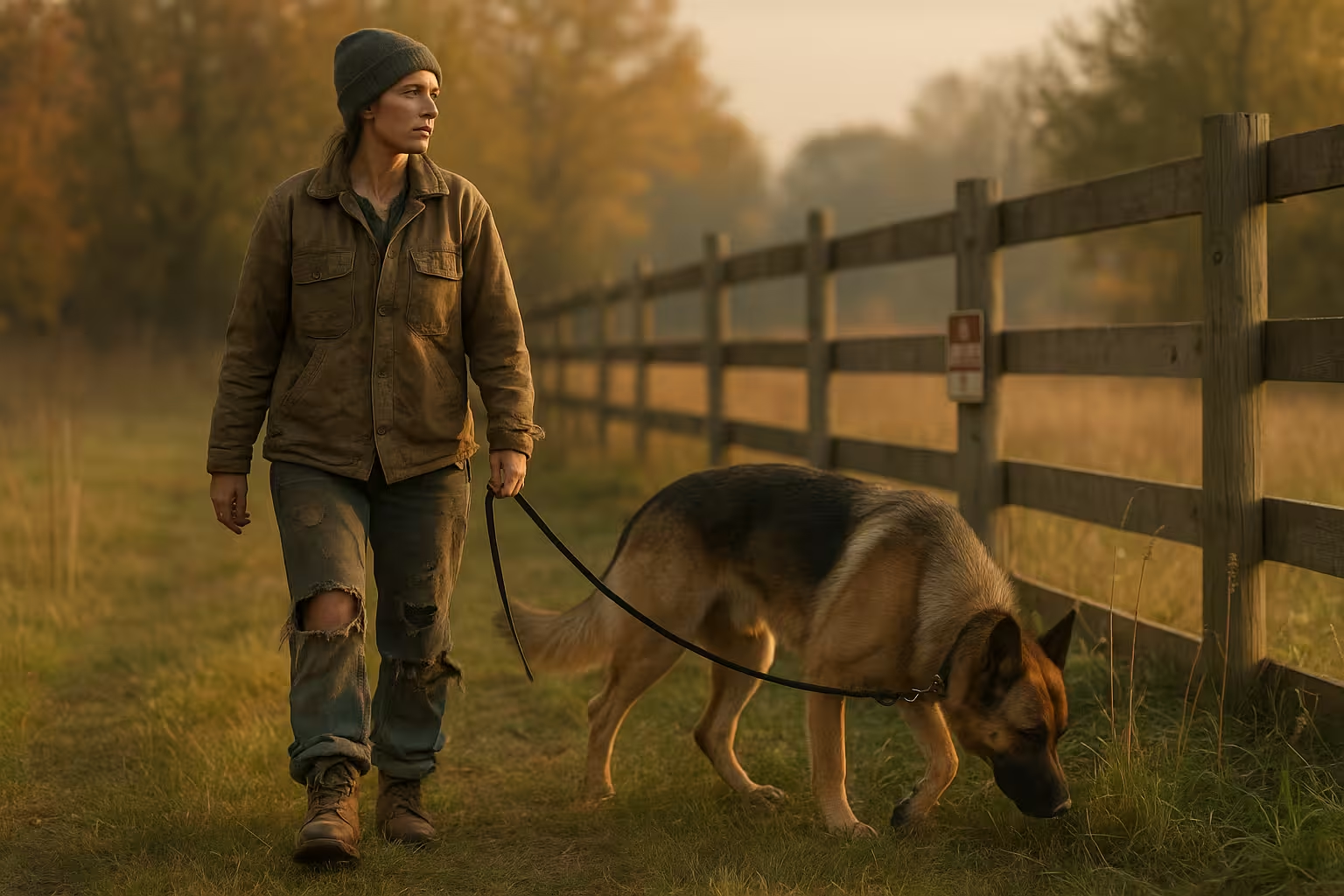
The Reward Moment
Timing is everything. Deliver the reward when your dog’s nose is on the ground, actively sniffing. This directly reinforces the desired behavior. Praise calmly and drop the treat right by their nose.
Observe, Don’t Interact
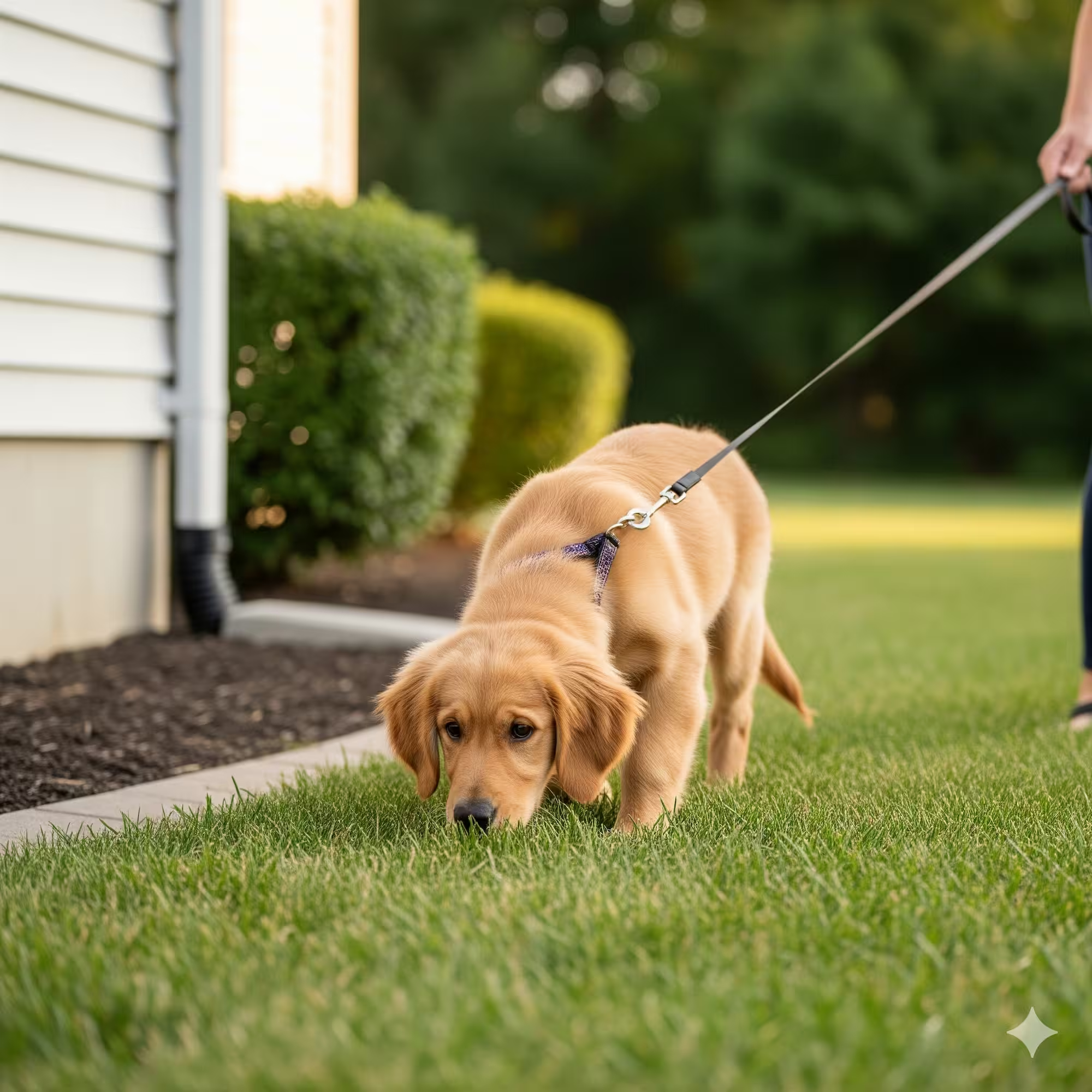
Observe, Don’t Interact
When a distraction appears, the job is to observe it calmly. Increase your distance until your dog can see the trigger without anxiety. Reward them for looking at it then looking back at you.
Getting Started: Your Calm Dog Training Routine
Success with the Perimeter Sniff Patrol for dogs relies on patience and consistency. The goal is a slow, meandering walk, not a brisk march. Here’s how to begin:
- Gear Up: Use a well-fitted harness to avoid pressure on the neck and a 6 to 10-foot leash. Bring high-value, pea-sized treats.
- Choose Your Route: Define a clear boundary for your patrol, such as the fenceline of your yard or the perimeter of your property line.
- Start Slow: Begin walking the route slowly. The moment your dog’s nose goes down to sniff, praise them calmly (“Good sniff”) and drop a treat near their nose. Don’t interrupt the sniff; reward it.
- Practice shaping the behavior: Initially, reward every sniff. As your dog understands the game, start rewarding only the longer, deeper sniffs. We are shaping a thoughtful, information-gathering walk.
- Keep Sessions Short: Start with 5-10 minute sessions. We want to end on a high note, before the dog becomes bored or overwhelmed.
Progress Benchmarks: What to Expect
- Week 1: Your dog understands the game. They offer sniffs readily along the route and show less pulling. Sessions are consistently calm for 5-10 minutes.
- Week 2: You can increase session length to 15 minutes. Your dog remains focused even with minor distractions at a distance. You are rewarding only deep, engaged sniffing.
- Week 3 & Beyond: The Perimeter Sniff Patrol for dogs becomes a reliable tool for decompression. Your dog may offer the behavior on their own. This routine is now foundational to your efforts to reduce fence-running.
Advanced Techniques to Reduce Fence-Running
Once your dog masters the basic patrol, you can introduce more advanced concepts. These exercises build on the foundation of calm focus and are key components of threshold management, helping your dog remain calm when faced with triggers. This proactive training is also crucial for teaching a dog to be gentle with kids by fostering impulse control.
Pause at Threshold
Before starting, pause at the doorway. Wait for your dog to offer a calm behavior (like a sit or eye contact) before proceeding outside. This reinforces calmness from the start.
Sit → Look → Release
During the patrol, if a mild trigger appears, stop and ask for a sit. Reward your dog for looking at the trigger, then looking back at you. Release back to sniffing.
Handler-Assisted Meet
If a neighbor is out, practice from a distance. Stop, treat for calm observation, and talk to your dog reassuringly. You’re teaching them that you manage the situation.
Safety & When to Avoid This Exercise
Safety First: Practice Smart Environmental Management
Always prioritize your dog’s safety. Avoid this exercise during:
- Extreme Weather: Do not patrol in excessive heat, on hot pavement, or during thunderstorms.
- Injury or Illness: Consult your vet before starting, especially after orthopedic surgery or illness.
- Known Wildlife Threats: Be aware of your surroundings. Avoid areas with known coyote, snake, or other wildlife activity, especially at dawn or dusk.
- Private Property: Always respect property lines and conduct your patrol on your own property or in public areas where it is permitted.
Breed Suitability for This Exercise
Different breeds bring different strengths to this perimeter sniff patrol for dogs exercise. While guardian breeds excel at the ‘patrol’ aspect, herding breeds might bring more focus, and scent hounds will naturally have high sniffing endurance.
Resources & Downloads
Every dog learns at a different pace. If you encounter challenges, these resources can help guide you through common issues and provide quick references to keep your training on track.
Pre-Session Checklist
- Gear Check: Is the harness fitted comfortably? Do you have a 6-10 foot non-retractable leash?
- Treats Ready: Are high-value, pea-sized treats easily accessible in a pouch or pocket?
- Mindset Check: Are you calm and ready to be patient? Your dog will mirror your energy.
- Environment Scan: Is the area free of immediate, high-level distractions for your 5-10 minute session?

Christopher Quinn adopted his first dog, Loki, a spirited Border Collie/Jack Russell mix, after exiting Army service in the summer of 2012. That experience sparked a lifelong passion for canine behavior and positive reinforcement training.
He studied Principles of Dog Training & Behavior at Penn Foster and has since worked with hundreds of dogs from all backgrounds. Over the past two years, Christopher has fostered more than 30 rescue dogs, giving each one a chance at a better life.
Today, he continues to write, teach, and share insights on humane dog training, blending hands-on experience with a decade of dedicated study.