Puppy Potty Training That Works: Gentle Methods for Real Results
What you’re about to explore comes from today’s most compassionate and evidence-based puppy potty training methods. These aren’t quick-fix gimmicks—they’re backed by real canine behavioral science and built on empathy, structure, and consistency.
By following the steps ahead, you won’t just teach your pup where to go—you’ll be laying the groundwork for a trusting, respectful relationship that lasts a lifetime. This is how puppies learn best: through kindness, clear routines, and calm guidance.
Why Choose Gentle Puppy Potty Training?
Gentle puppy potty training isn’t just about avoiding punishment—it’s about building your puppy’s confidence while teaching clean habits. Using calm structure, positive reinforcement, and consistency, you’ll help your pup learn exactly where to go, without fear or confusion.
These gentle methods work whether you’re housebreaking a new puppy indoors or following a daily potty routine outside. Let’s help your dog feel safe, confident, and understood—right from the start.
Why Potty Training Early Matters
Early puppy potty training builds more than just cleanliness—it fosters trust, reduces frustration, and sets up your puppy to succeed in your home. Puppies thrive with structure, and gentle guidance during this stage lays the foundation for deeper obedience and confidence.
That’s why we recommend starting with a gentle, stress-free potty training schedule that guides your puppy with kindness—not corrections. If you’re trying to housebreak your puppy indoors, potty pads or indoor trays can be powerful tools when used consistently.
💡 Confused about what counts as a reward or how to time it?
💡 New to reward-based training? Start with our Positive Reinforcement Guide—it breaks down how dogs actually learn what we want, using methods backed by science and respected trainers.
Once you understand that and the other core principles on this site, you’ll be able to confidently build your own training strategies that actually work.
Establishing a foundation of trust through gentle puppy potty training methods connects directly to other essential training areas. Once your pup masters basic potty routines, you’ll want to focus on teaching your puppy to stay in one place using positive reinforcement techniques. This builds on the same trust-based approach that makes potty training successful.
🐾 When to Start Potty Training a Puppy
Puppy potty training starts earlier than you might think—and the sooner you begin, the smoother the journey. Most experts agree that you can start gentle potty training around 8 weeks old, when your puppy begins developing basic bladder control.
Here’s what to know before you begin:
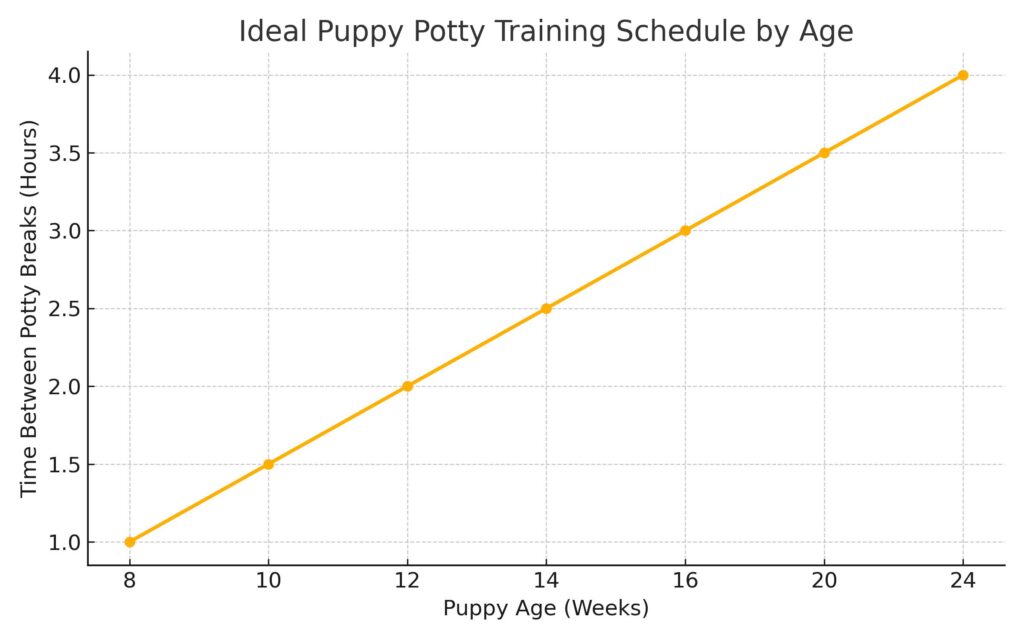
✅ Start at 8 weeks old Your puppy can begin to hold their bladder for short bursts—about 1 hour for every month of age.
✅ Potty habits are shaped by routine Puppies thrive on predictability. Establish a puppy potty training schedule from day one—even if they have frequent accidents early on.
✅ Watch for “pre-potty” cues Sniffing, circling, or wandering away from play can mean it’s time to go. These are your early warning signs.
✅ Accidents under 8 weeks are normal Before 8 weeks, accidents are usually biological, not behavioral. Don’t punish mistakes during puppy potty training—just clean calmly and redirect.
✅ Limit free-roaming areas Puppies feel safer and learn faster when they’re in a small, supervised space. Baby gates and crates are your best allies.
✅ Use positive reinforcement only Harsh corrections break trust. Gentle praise, treats, and affection will motivate your puppy to repeat good behavior.
– ✅ Address behavioral challenges early – Some puppies may exhibit excessive barking or whining during crate time, which can disrupt potty training routines. Learn how to manage these behaviors while maintaining your puppy potty training schedule.
💬 “Think of every potty break as a learning moment, not just a mess to clean up.”
🐾 Trainer Tip: Expect to take your puppy out every hour for each month of age (e.g., 2-month-old = every 2 hours).
The earlier you begin kind, consistent guidance, the faster your pup learns that going outside is part of their “big dog” routine. This early start helps avoid future stress, prevents lingering indoor habits, and builds their confidence—and yours.
Potty training isn’t just about avoiding messes. It’s one of the first ways your puppy learns to trust you, rely on you, and feel safe in your care.
💡 Want a full crate training plan that supports potty habits?
True training starts with trust. Your puppy’s heart learns before their habits do.
Step-Step-by-Step Puppy Potty Training by Age:
🍼 8–10 Weeks: Start puppy potty training with short, frequent potty breaks—every 30–60 minutes while awake. Take your puppy out after naps, meals, and playtime. Use positive reinforcement like treats and gentle praise. Crate time helps prevent indoor accidents and establishes bladder control. Overnight, expect 1–2 potty trips.
🧸 11–14 Weeks: Gradually stretch time between puppy potty training breaks to about 1.5–2 hours. Crate training becomes more effective as your pup builds control. Accidents may still happen—avoid punishment and stay consistent with rewards for outdoor success.
🐾 15–20 Weeks: Puppies can usually hold their bladder for 3–4 hours during the day. Establish a consistent routine tied to feeding and activity. You can now start associating potty breaks with specific verbal cues like “Go potty!”
🦴 5–6 Months: Most puppies can hold it 4–6 hours during the day. Nighttime control is improving. They should be taken out first thing in the morning, before bed, and after eating or play. Praise all correct outdoor potty behavior.
🐕 6+ Months: Your puppy should now understand the routine, but don’t stop reinforcing good habits. Some dogs mature slower—especially small breeds—so continue to be patient and consistent. Continue crate time during unsupervised periods.
Inclusivity Note: Every puppy is different—size, breed, trauma history, and temperament can impact potty progress. If your pup has accidents beyond these windows, rule out medical issues and adjust with compassion, not blame.
🚀 This expert-approved puppy potty pad has helped thousands succeed — View it on Amazon.
🌟 Potty Progress Isn’t Always Linear (And That’s Okay)
Puppies don’t learn in straight lines—and that’s normal. Your pup might go three days without a potty training accident, then suddenly regress. This isn’t failure—it’s part of growing up. Just like human toddlers, pups have developmental spurts and setbacks.
👉 Stay calm. Reinforce positive behavior. And if your pup seems off, rule out health issues with your vet.
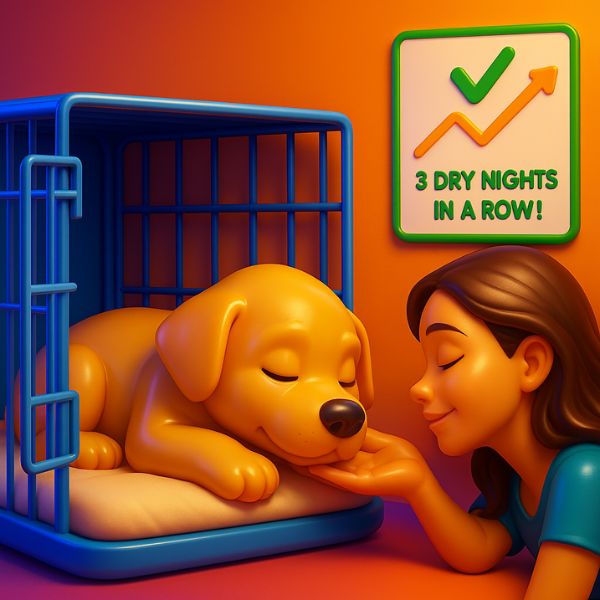
Bonus Tip: Keep a visible progress tracker in your kitchen or hallway. Celebrate small wins, like “3 dry nights in a row!”—it builds momentum and family support.
Progress isn’t always perfect, but every win counts. “3 dry nights in a row” builds trust, momentum, and family encouragement.
🚫 Common Potty Training Mistakes to Avoid
Potty training your puppy takes time, patience, and a clear understanding of what works—and what doesn’t. While most dog parents mean well, a few common missteps can slow progress or even cause setbacks. Here’s how to avoid them while keeping your puppy’s confidence and trust intact.
❌ Punishing After Accidents
It’s a natural reaction to feel frustrated when your puppy has an accident indoors—but reacting with scolding, harsh tones, or physical punishment only confuses and scares your dog. Puppies don’t make the connection between something they did minutes ago and your response now.
Instead of learning what not to do during puppy potty training, they may start hiding accidents out of fear.
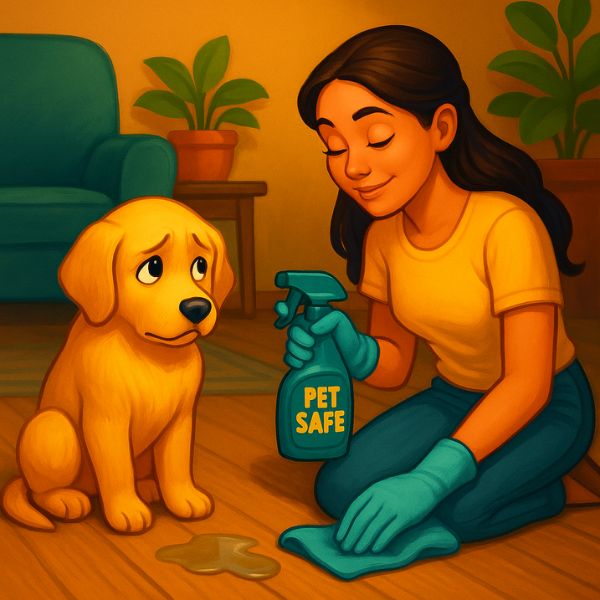
👉 Better Approach: Quietly clean the mess using an enzymatic cleaner to fully remove odors. Then revisit your potty schedule—your puppy likely just needs more frequent breaks and closer supervision.
❌ Inconsistent Potty Schedule
If you’re not following a predictable routine, your puppy won’t know what to expect—and that uncertainty often leads to more accidents. Puppies thrive on structure, and a potty schedule helps their developing body align with behavior-based training.
👉 Better Approach: Stick to a consistent routine. Take your puppy out first thing in the morning, after eating or drinking, following naps or playtime, and just before bed. These predictable moments build long-term habits.
❌ Skipping Nighttime Potty Breaks
It’s tempting to hope your puppy can “hold it” all night—but doing so too early can backfire. Puppies under four months usually can’t make it through the night without a potty break. Ignoring this can lead to stress, regression, or nighttime accidents that go unnoticed.
👉 Better Approach: Set a gentle overnight alarm, especially in the first few weeks. Just one middle-of-the-night potty trip can preserve your puppy’s routine and help them succeed faster.
❌ Missing the Moment to Reward
Positive reinforcement is powerful—but only if it’s immediate. Waiting even 10–15 seconds to praise your puppy or give a treat after a successful potty break can muddy the message. Your puppy may not associate the reward with what they just did right.
👉 Better Approach: Keep treats by the door and be ready to reward as soon as your puppy finishes going. Your excitement and consistency teach them that pottying outside = big wins.
❌ Ignoring Other Training Fundamentals During Potty Training
While focusing on puppy potty training, many owners overlook complementary training that supports overall success. For example, teaching basic commands like ‘leave it’ prevents your puppy from eating inappropriate items that could affect their digestive schedule and potty habits.
👉 Better Approach: Integrate basic obedience training with your potty routine. A puppy who responds to simple commands is easier to redirect outside quickly when you notice pre-potty cues.
What to Do When Accidents Happen
Stay calm. Interrupt the behavior (if caught in the act), bring your puppy outside immediately, and clean with an enzymatic cleaner. Never yell. Instead, focus on prevention and schedule improvement.
A: Most puppies begin to understand the basics within 2–4 weeks when routines are consistent. However, full bladder control and reliability typically develop closer to 5–6 months of age, depending on breed and environment.
Q: My puppy pees right after coming inside. Why?
A: This is a common hiccup. Your puppy may have been distracted outside by smells or stimulation and forgot to go. Try staying outside with them longer, using a cue word like “go potty,” and rewarding immediately when they finish.
Q: Can I use a bell to teach potty communication?
A: Absolutely! Bell training is highly effective for puppies with strong routine memory. Hang the bell by the door and ring it each time you go out. With repetition, your puppy will begin ringing the bell when they need to go.
Q: Should I stop food or water before bedtime to avoid accidents?
A: It’s safe to limit access to water about 2 hours before bed, but never completely restrict it. This can help reduce overnight accidents while still keeping your pup hydrated. Feed meals on a schedule to help predict potty needs.
Q: What if my puppy has multiple accidents in a row?
A: A cluster of accidents usually means your schedule needs adjusting—or your puppy is overwhelmed or confused. Go back to basics: shorter intervals between potty breaks, crate supervision, and gentle praise when they get it right.
Q: Do different breeds learn potty training at different speeds?
A: Yes, smaller breeds often need more frequent breaks due to tiny bladders. Additionally, high-energy or easily distracted puppies may take a little longer. Consistency and patience are key for puppy potty training across all breeds.
Q: Should I work on other training while potty training?
Q: My puppy seems anxious during potty breaks. What should I do?
A: Anxiety can stem from various sources. If your puppy shows general fearfulness, explore science-based methods for reducing dog anxiety alongside your potty training routine. Creating calm, positive associations with outdoor time supports both potty success and overall confidence.
🌟 Wrap-Up & Next Steps: Turning Potty Time into Bonding Time
Potty training your puppy isn’t just about preventing accidents—it’s about creating a lifelong bond built on trust, love, and clear communication. Every time you guide your pup with patience, you’re helping them feel safe, understood, and confident in their new home.
Progress may not always be perfect, but your consistency and compassion will shape the kind of dog who listens, trusts, and thrives.
🧡 Here’s What to Do Next:
✅ Stick to your potty schedule—predictability builds confidence.
✅ Reward the wins—celebrate every successful potty break with praise and love.
✅ Stay calm after accidents—they’re part of the process, not a failure.
✅ Use the right tools—a crate, training treats, and enzyme spray go a long way.
💬 “Potty training is a journey, not a race. What matters most is showing up with kindness and structure—every single day.”
🧡 Ready to expand your training success? Once your puppy potty training is progressing well, consider these next steps:
A calm pup sleeps soundly in a safe crate—an ideal result of positive nighttime crate training.
Step-by-Step Gentle Potty Training Schedule for Puppies
Insert Paragraph:
Creating a daily routine is key to success. Gentle puppy potty training works best when you’re consistent, calm, and patient. Start by taking your puppy to their designated potty area:
First thing in the morning
After meals or playtime
Before bedtime
Reward them with praise and treats immediately after they go. Over time, this positive puppy potty training routine teaches them what to do—without fear, scolding, or confusion.
Christopher Quinn adopted his first dog, Loki, a spirited Border Collie/Jack Russell mix, after exiting Army service in the summer of 2012. That experience sparked a lifelong passion for canine behavior and positive reinforcement training.
He studied Principles of Dog Training & Behavior at Penn Foster and has since worked with hundreds of dogs from all backgrounds. Over the past two years, Christopher has fostered more than 30 rescue dogs, giving each one a chance at a better life.
Today, he continues to write, teach, and share insights on humane dog training, blending hands-on experience with a decade of dedicated study.