
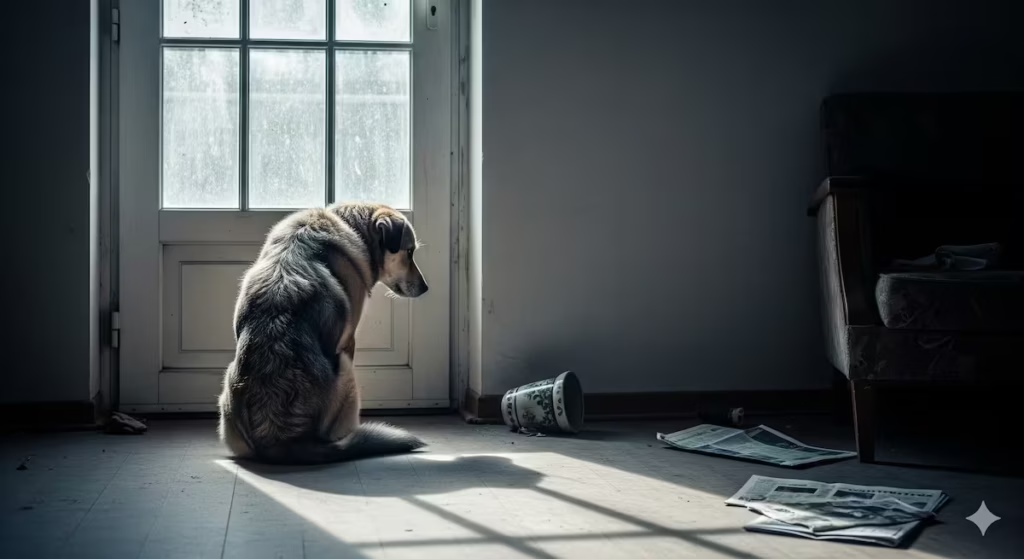
Calm Independence • Step-by-Step Program
Separation Comfort (Alone-Time Coach)
Teach your dog to relax while you step away—without drama, barking, or pacing. This landing page introduces the approach, then links to the interactive Alone-Time Coach tool where you’ll run minute-by-minute sessions and track progress.
Who this Alone-Time program helps
Perfect for puppies, new rescues, and sensitive dogs that whine, paw at doors, or shadow you room-to-room. Short, structured reps build confidence first, then duration grows automatically.
If your pup just arrived, start with gentle routines so they can adjust to your home smoothly. Stable sleep, meals, and potty times make alone-time training easier.
Why positive methods matter
We reinforce calm, not suppress vocalizing. Expect clear criteria, easy wins, and rewards that the dog understands.
To review the science behind our plan, skim Positive Reinforcement 101 and the basics of operant conditioning.
How it works (quick tour)
The Coach creates tiny “absence reps” with recovery breaks, then auto-levels when your dog meets calm criteria. You’ll log barks, pacing, or settle-on-mat, and the tool adjusts step size to stay under threshold.
If excitement spikes, we pause, breathe, and reset. Learn to read arousal with the threshold management guide; it pairs beautifully with short independence games.
What you’ll need
- Comfy rest spot (mat, bed, or crate) and baby gate or door.
- Small treats or a food puzzle for recovery periods.
- Phone or laptop to run the Coach timer and log reps.
Good management prevents rehearsal of panic. See practical ideas for environmental control that keep practice clean while you build skills.
Before you begin
Plan calm exposures to the world so alone-time isn’t the only challenge this week. Balance your schedule with smart outings and confidence wins.
For shy dogs, apply the pacing tips in socializing a shy puppy with strangers so you don’t stack stress on training days.
Program overview (level-up ladder)
- Station & safety: Teach a “place” and gate skills. Calm on the mat earns quiet rewards.
- Micro-absences: Open/close the door without leaving; then step out for 1–3 seconds and return.
- Short sets: Chain 3–5 micro-absences with equal recovery time; end on success.
- Stretch: Increase the longest rep only; recovery stays easy. No jumps if any barking arose.
- Generalize: Add different doors, times of day, and you moving to another room or outside.
Families with kids? Coach children to be boring during reps—quiet hands, quiet feet. See teaching gentle play with kids to keep everyone consistent.
Age-based alone-time schedule (starter targets)
Use these gentle caps for the longest rep in a set. The Coach will suggest smaller steps if your dog needs them.
| Dog age | Starter cap per rep | Daily set goal |
|---|---|---|
| 8–12 weeks | 10–30 seconds | 2–3 short sets |
| 3–4 months | 30–90 seconds | 3–4 short sets |
| 5–6 months | 1–3 minutes | 3–5 short sets |
| 7–9 months | 3–5 minutes | 4–6 graduated sets |
| 10–12 months+ | 5–10 minutes | 4–6 graduated sets |
Keep other training calm on heavy days. For broader confidence building, review how to socialize a dog properly.
Example: Home-office routine
Warm-up with a sniffy scatter, then a 1–2 minute chew. Run one set of door-step outs, log results, and finish with a nap break behind a gate while you type.
If arousal spills into mouthing or grabby play later, fold in the calm games from stopping aggressive-style puppy biting to reset the vibe before the next set.
Example: Crate & mat combo
Alternate sets: one with the crate door open and one with a baby gate at the room door. We want flexibility, not dependence on a single prop.
The Coach assumes thoughtful criteria changes and clean management—two pillars you’ve seen in management & environmental control.
Q&A
Will this stop howling or barking when I leave?
Yes—by keeping reps under threshold and rewarding quiet recovery. The Coach reduces step size after any vocalization and inserts an easy win before you continue.
If your dog struggles at the door, reset criteria and re-read the threshold guide to spot early signs sooner.
How long can a puppy be left alone?
Use the age table above as caps for the longest rep in a set and grow slowly. Quality beats total minutes, especially for young puppies with small bladders.
Balance departures with restful enrichment from your enrichment hub so recovery feels easy and safe.
My dog shadows me—should I use a crate or gate?
Either tool can help if it lowers rehearsal of panic. Start with a gate if the crate adds pressure, and return to the crate once calm returns.
Keep reinforcement clear and consistent—review operant basics to understand why timing matters so much.
What about visitors or city noise?
Protect sessions from surprises. Use white noise, post a “training in progress” note, and run easier steps on busy days.
Calm public exposures on other days keep your dog flexible—see socialization done right.
Should I correct barking?
No. Punishment can mask signals and raise stress the next time you leave. Instead, lower criteria, pay calm, and rebuild confidence.
For a refresher on the “reinforce what you want” mindset, check Positive Reinforcement 101.
Troubleshooting
- Immediate vocalization: Drop to door-touch only, then 1–3 second outs. Add a chew during recovery.
- Pacing after you return: Deliver treats on the mat, then wait for a sigh or head-down before the next rep.
- Falls apart in the evening: Switch to morning sets; evenings often have stacked arousal from the day.
- Kids re-excite the dog: Use a “quiet hands” rule and rehearse polite contact with gentle-with-kids practice.
- Backslide after a big day: That’s normal. Run two easy days with enrichment then resume normal steps.