
Puzzle Feeder — Level 1 (Beginner Indoor Problem-Solving for Calm Dogs)
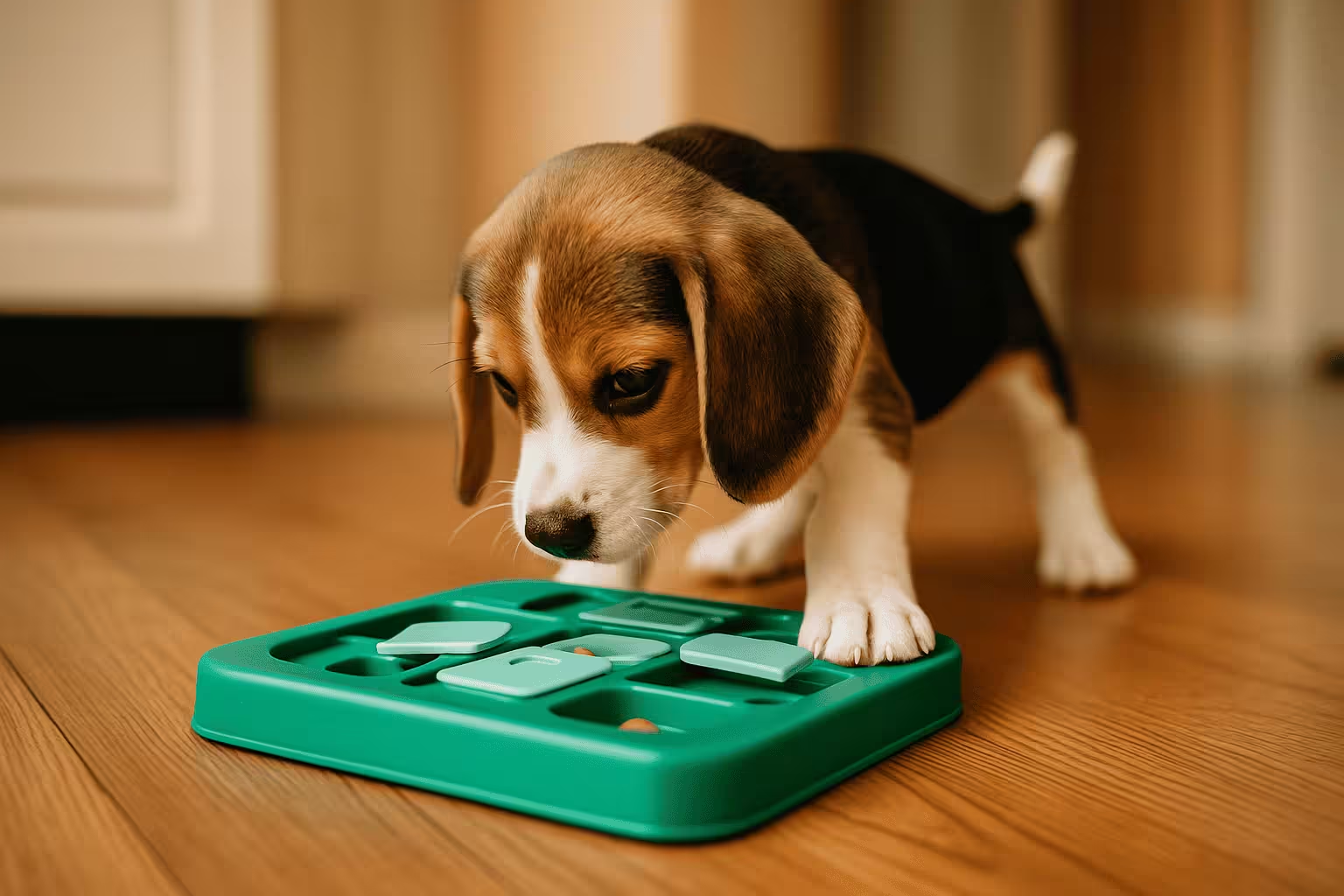
Kick off puzzle play with a beginner puzzle feeder that trades speed for thought. Load a few compartments, demo a move, then let your dog finish at their own pace. Mark small wins with clean rewards—learn the basics of positive reinforcement in dog training.
They’re ideal for first-timers, a beginner puzzle feeder for anxious dogs, and puzzle feeders for senior dogs with low energy.
Quick Jump
Materials
- Beginner puzzle (easy sliders or flip-lids; smooth mechanics).
- Kibble (dry, non-greasy; break large pieces).
- Non-slip mat to keep the device steady.
Prep the space and remove clutter—smart environmental management makes learning smoother.
How-to (3 steps)
- Load compartments at 50% and leave one pocket open as a freebie.
- Demo a move (slide or flip) once, then go quiet. Use tiny helps and shape progress—read about shaping a behavior.
- Let your dog finish for 5–15 minutes. End on a clear success and reset the board.
These micro-wins reinforce persistence via operant conditioning without spiking arousal.
How to introduce a puzzle feeder to a puppy
Keep it ridiculously easy: a free pocket, larger pieces, and a quiet room. Celebrate gentle nose touches and short sequences. If worry pops up around textures or clunks, skim helping a scared puppy and reset easier. Pair wins with the puppy socialization tool for tiny, upbeat exposures.
Coaching families? Here are practical tips for teaching a dog to use a puzzle toy: demo once, then let the dog discover; reward calm mechanics more than speed.
Level-1 Puzzle Feeder Types (Beginner Friendly)
Rotate devices to keep problem solving fresh. For variety beyond puzzles, browse our library of dog enrichment activities—great DIY dog enrichment activities for beginners.
Slider Board (Single-Track)
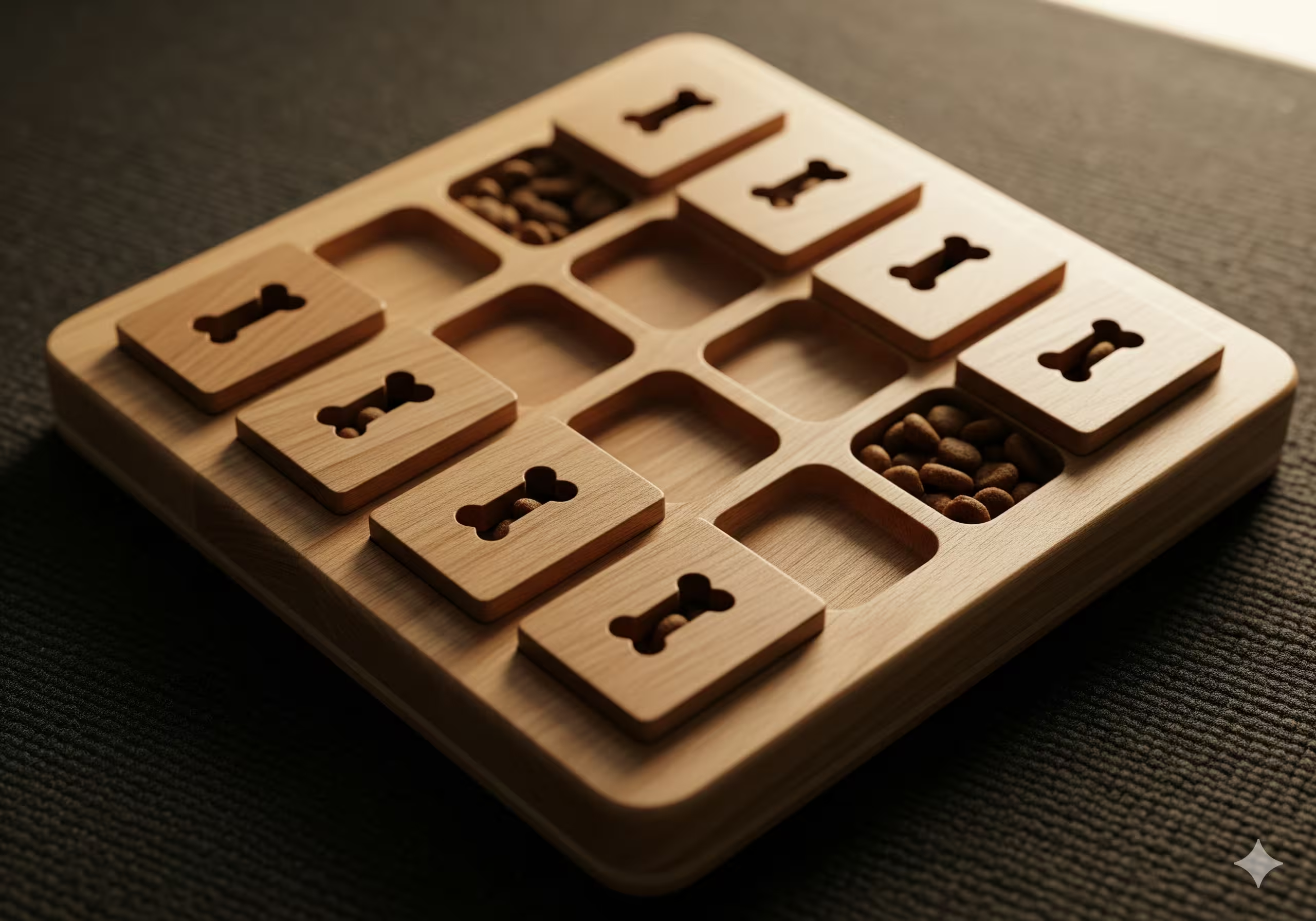
Why it works: One motion, obvious payoff—great first step for brand-new learners.
Ingredients & Steps
Ingredients
- Single-track slider board
- Dry kibble
- Non-slip mat
Steps
- Load 4–6 pockets; leave one open.
- Slide once to demo; pause for self-solve.
- End when attention dips; reset for round two.
Flip-Lid Tray (Large Tabs)
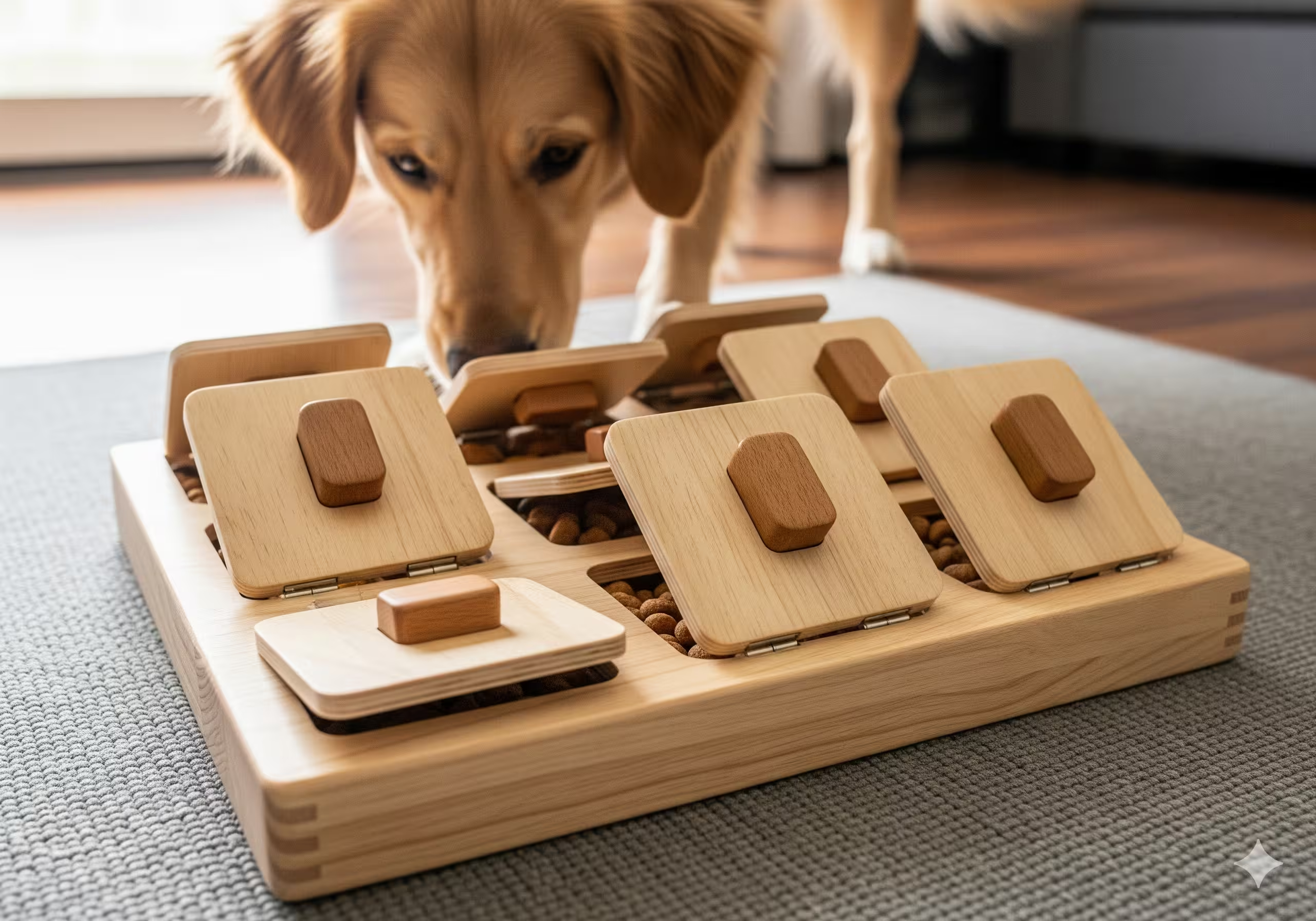
Why it works: Obvious lids reward gentle nose targeting and paw lifts—perfect tips for teaching a dog to use a puzzle toy at home.
Ingredients & Steps
Ingredients
- Flip-lid tray with large tabs
- Dry kibble
Steps
- Fill every other lid; prop one slightly open.
- Help once, then wait quietly for self-solve.
- Rotate device orientation to refresh interest.
Treat Ball (Large Hole)
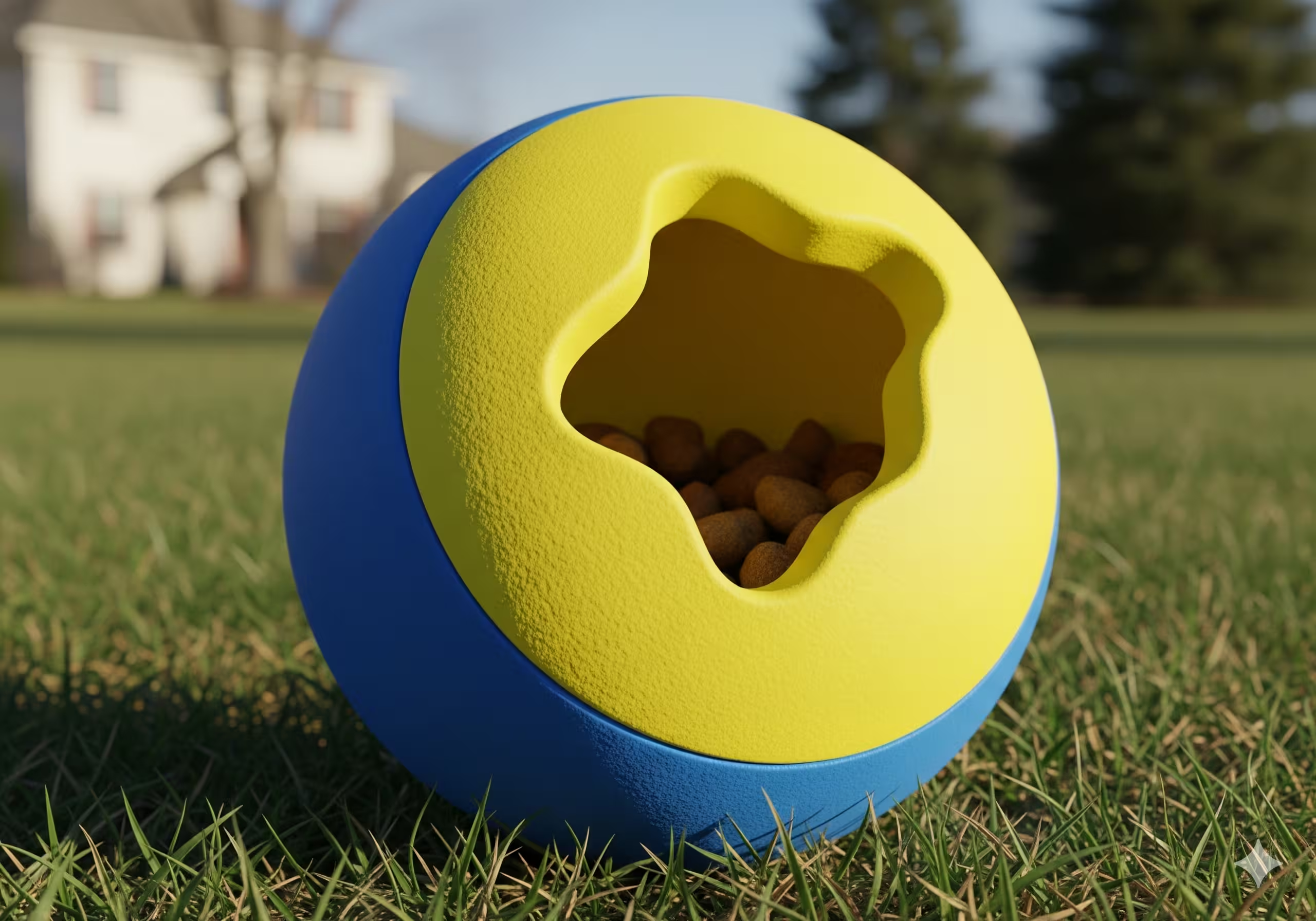
Why it works: Rolling yields fast pay—ideal puzzle feeders for senior dogs with low energy or green learners who need quick wins.
Ingredients & Steps
Ingredients
- Treat ball with adjustable opening
- Dry kibble
- Small rug (optional, for noise)
Steps
- Set the opening to the largest setting.
- Start with 10–15 pieces; reduce as skill improves.
- Use a rug to slow roll if clunks worry your dog.
Muffin-Tin Covers (DIY)
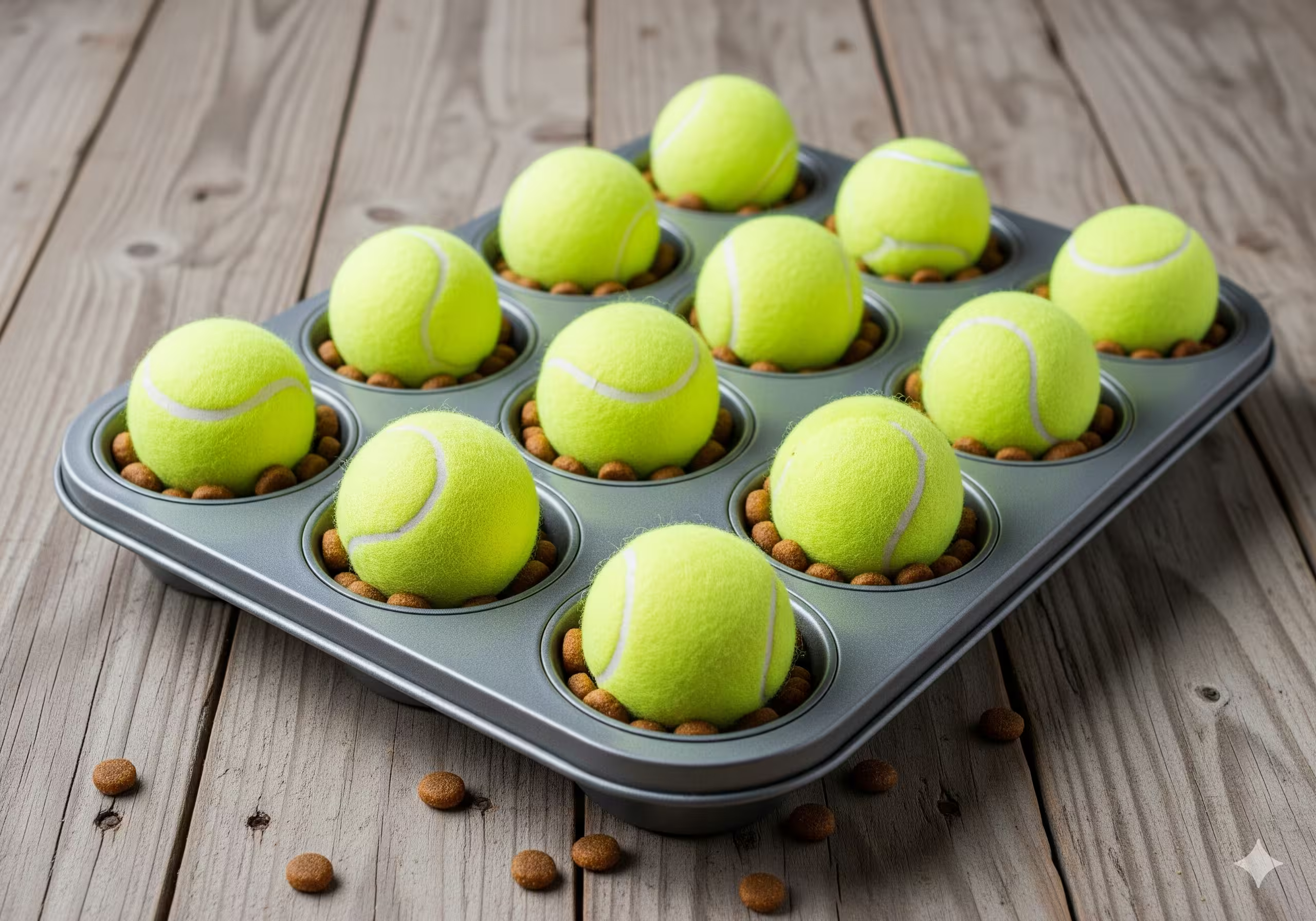
Why it works: Super forgiving mechanics—nose bumps move balls, revealing food; a classic DIY dog enrichment activity for beginners.
Ingredients & Steps
Ingredients
- Muffin tin (6–12 cups)
- Tennis balls or silicone lids
- Dry kibble
Steps
- Place kibble in 6 cups; cap 3 with balls.
- Show one lift; let your dog copy the motion.
- Cap more cups over time to raise difficulty.
Two-Step Track (Slide → Lift)
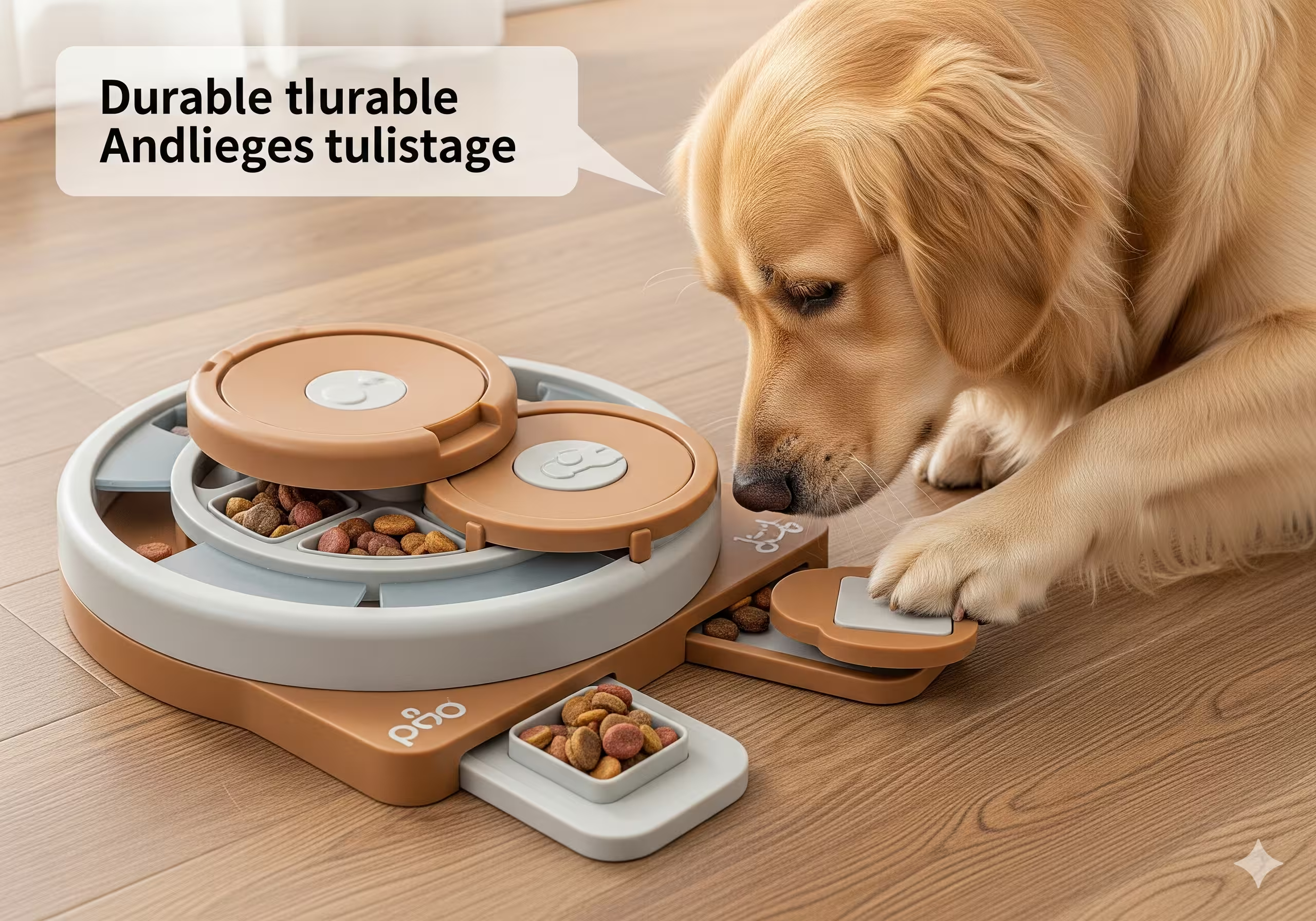
Why it works: Adds a simple sequence without spiking arousal—useful bridge to Level 2.
Ingredients & Steps
Ingredients
- Two-step puzzle (slide + lift)
- Dry kibble
Steps
- Prime with a free pocket; reinforce approach.
- Require slide-then-lift once; help minimally.
- Alternate sides so patterning doesn’t stall learning.
Snuffle-Mat Pockets (Hybrid)
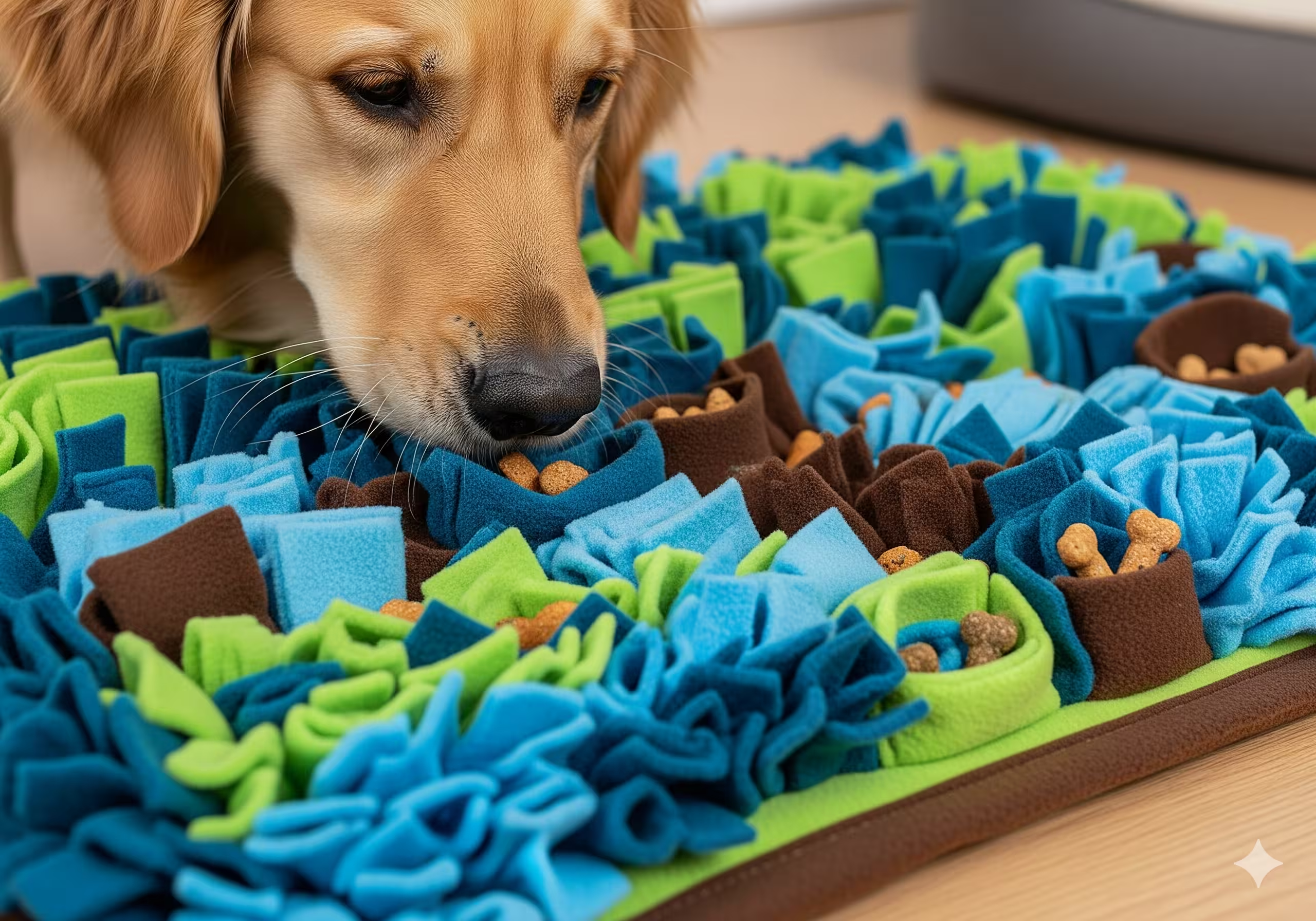
Why it works: Gentle nose work with obvious payout—ideal warm-up before mechanical puzzles.
Ingredients & Steps
Ingredients
- Snuffle mat with shallow pockets
- Dry kibble (larger pieces to start)
Steps
- Tuck a few pieces shallow; leave edges peeking out.
- Fade visibility as confidence grows.
- End when sniffing slows; sweep leftovers.
Progressions (micro-bumps, not leaps)
- Access: more open pockets → all closed.
- Mechanics: single motion → two-step (slide then lift).
- Density: more targets → fewer, harder targets.
- Context: non-slip mat → slicker floor (adds device movement).
Keep the win rate ~70–80% and watch arousal; if intensity spikes, simplify—classic threshold management.
Best fit & when to use
- Puppies & green learners: short, success-heavy sessions keep curiosity high.
- New-home decompression: drop short puzzle sets inside the routine from help a new puppy adjust.
- Family coaching: model gentle participation—see teach a puppy to be gentle with kids.
Q&A & Troubleshooting
Beginner puzzle feeder for anxious dogs — where to start?
Use the Slider Board or Snuffle-Mat. Lower noise, bigger openings, and obvious payoffs keep arousal down while curiosity grows.
What to do when your dog gets frustrated with a puzzle
Open a pocket, make one clear demo, and shorten the session. Reinforce calm sniffing and micro-tries. End on a win and try again tomorrow.
Tips for teaching a dog to use a puzzle toy
Demo once, then wait. Reward quiet nose targets and paw lifts. Fade help quickly so the puzzle teaches the puzzle.
Safety & clean-up
- Check for loose parts; retire damaged puzzles.
- Feed within normal ration; wipe the device after use.
- One dog at a time to prevent guarding. If your learner struggles, scale back difficulty and shorten sessions.
Mission Objective
Build calm persistence with Level-1 puzzle feeders. Keep changes tiny, celebrate small wins, and level up only when your dog is cruising.
Open the Full Enrichment Tool
Christopher Quinn adopted his first dog, Loki, a spirited Border Collie/Jack Russell mix, after exiting Army service in the summer of 2012. That experience sparked a lifelong passion for canine behavior and positive reinforcement training.
He studied Principles of Dog Training & Behavior at Penn Foster and has since worked with hundreds of dogs from all backgrounds. Over the past two years, Christopher has fostered more than 30 rescue dogs, giving each one a chance at a better life.
Today, he continues to write, teach, and share insights on humane dog training, blending hands-on experience with a decade of dedicated study.