
Puzzle Feeder — Level 2 (Intermediate Indoor Problem-Solving)
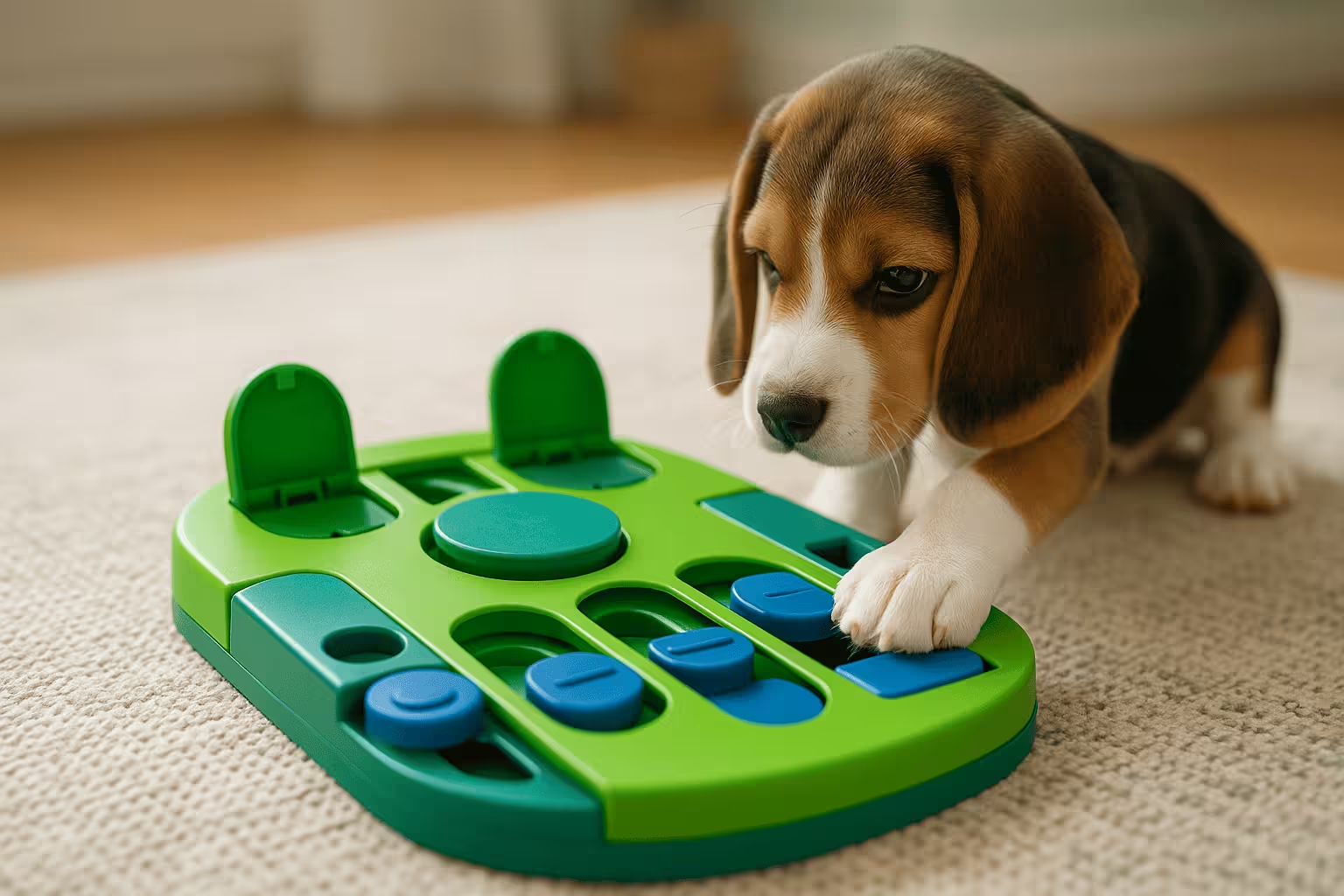
Ready to advance? Level 2 introduces step-up dog puzzle challenges that layer simple sequences and mild resistance.
You’ll mix easy wins with trickier actions and fade help gradually so your dog learns to work the mechanism independently. For clean timing and payment, review positive reinforcement basics.
Quick Jump
Materials
- Intermediate puzzle with two actions (e.g., slide → lift, spin → pull).
- Kibble / soft treats (tiny, non-greasy; a few higher-value bits to seed tough spots).
- Non-slip mat or rubber feet to reduce device drift.
Set the room up for success—good management and environmental control keeps problem-solving on the board, not in your living room.
How-to (2 core rules)
- Mix easy & tricky parts: seed freebies so payout stays frequent while your dog samples the sequence—classic operant conditioning.
- Fade help gradually: show once, then reduce prompts until your dog performs the whole action alone. Use micro-criteria and reinforce attempts—this is practical shaping.
Use short, quiet pauses to let the puzzle teach the puzzle. Reinforce accurate mechanics more than speed to cultivate indoor dog brain games with focus.
Stepping Up from Level 1 (without overload)
- Keep a high success rate (70–80%). For stuck moments, reopen one pocket and try again—see our threshold management guide for when to lower criteria.
- Introduce two-step sequences once the first action is fluent.
- Fold puzzle time into a predictable routine from the new-puppy adjustment guide. If worry shows up, pause and review help for scared puppies.
Think structured dog problem-solving games indoors, not speed eating. Keep prompts minimal so the learner solves rather than chasing your hand.
Level-2 Puzzle Styles (Sequencing & Control)
Rotate devices weekly to prevent patterning and keep intermediate dog puzzle challenges fun. For other options beyond puzzles, browse our dog enrichment activities.
Multi-Track Slider (Cross Paths)
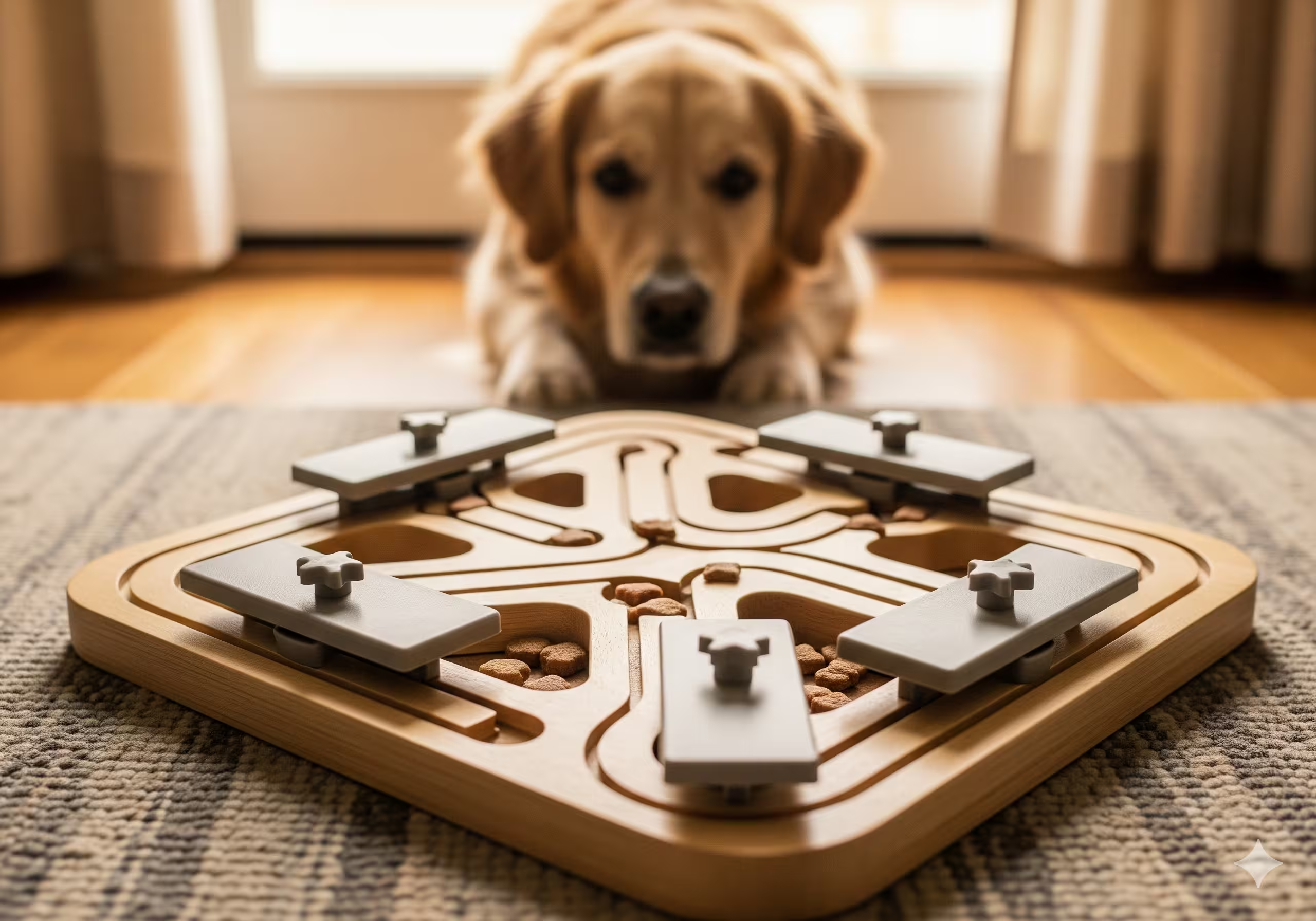
Why it works: Crossing lanes require planning—great for puzzle feeders for smart dogs.
Ingredients & Steps
Ingredients
- Multi-track slider board
- Kibble + a few soft treat crumbs
Steps
- Load outer lanes heavily; inner lanes light.
- Demo one full lane; pause for independent work.
- Gradually balance lane rewards as skill improves.
Hidden Drawers (Nose Pull Tabs)
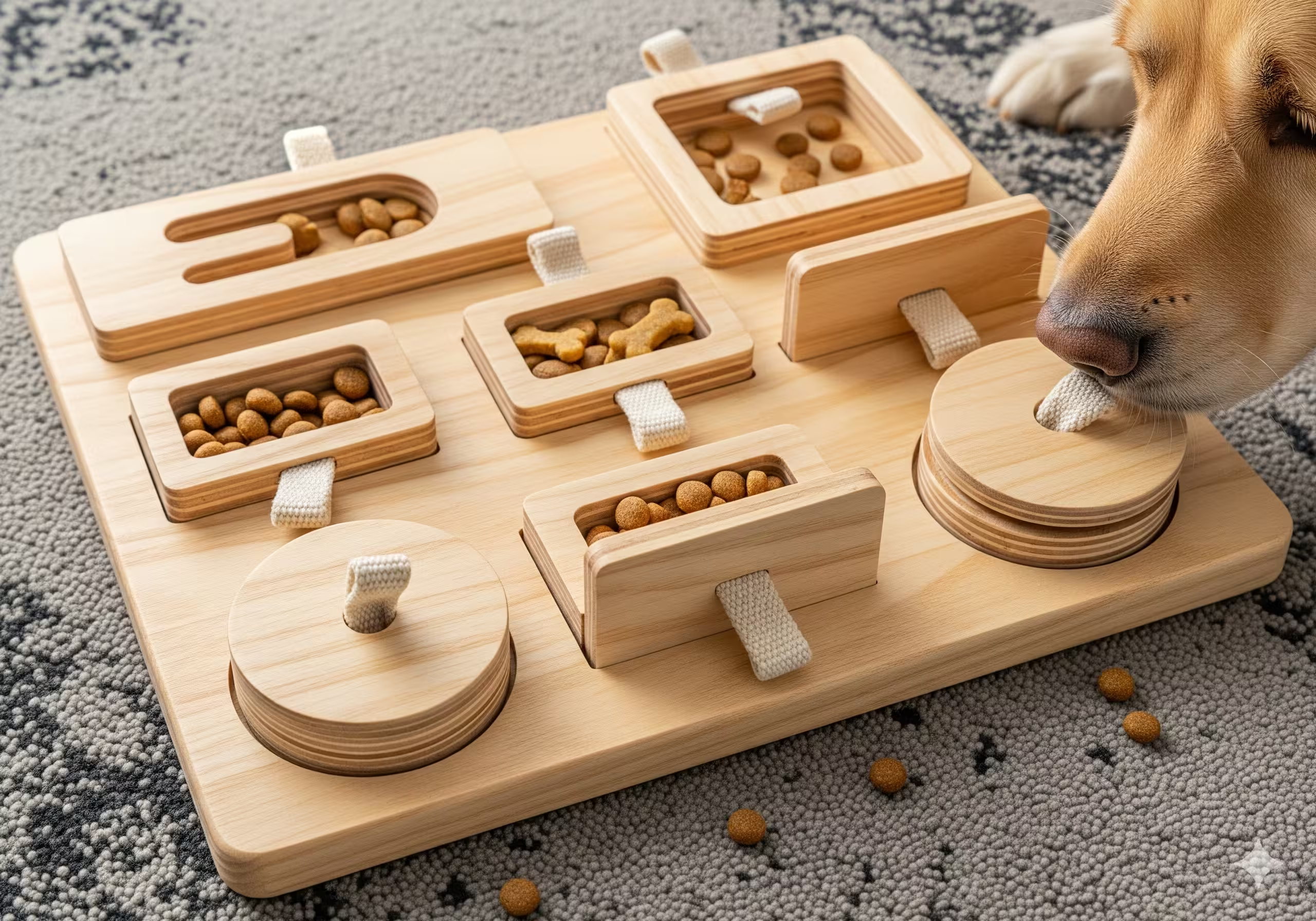
Why it works: Encourages controlled nose targeting and paw restraint.
Ingredients & Steps
Ingredients
- Drawer-style board with pull tabs
- Kibble / soft treats
Steps
- Open one drawer fully as a freebie.
- Quarter-open two drawers; reward partial pulls.
- Close all drawers; reinforce smooth open-and-eat behavior.
Spinner Maze (Rotate → Slot)
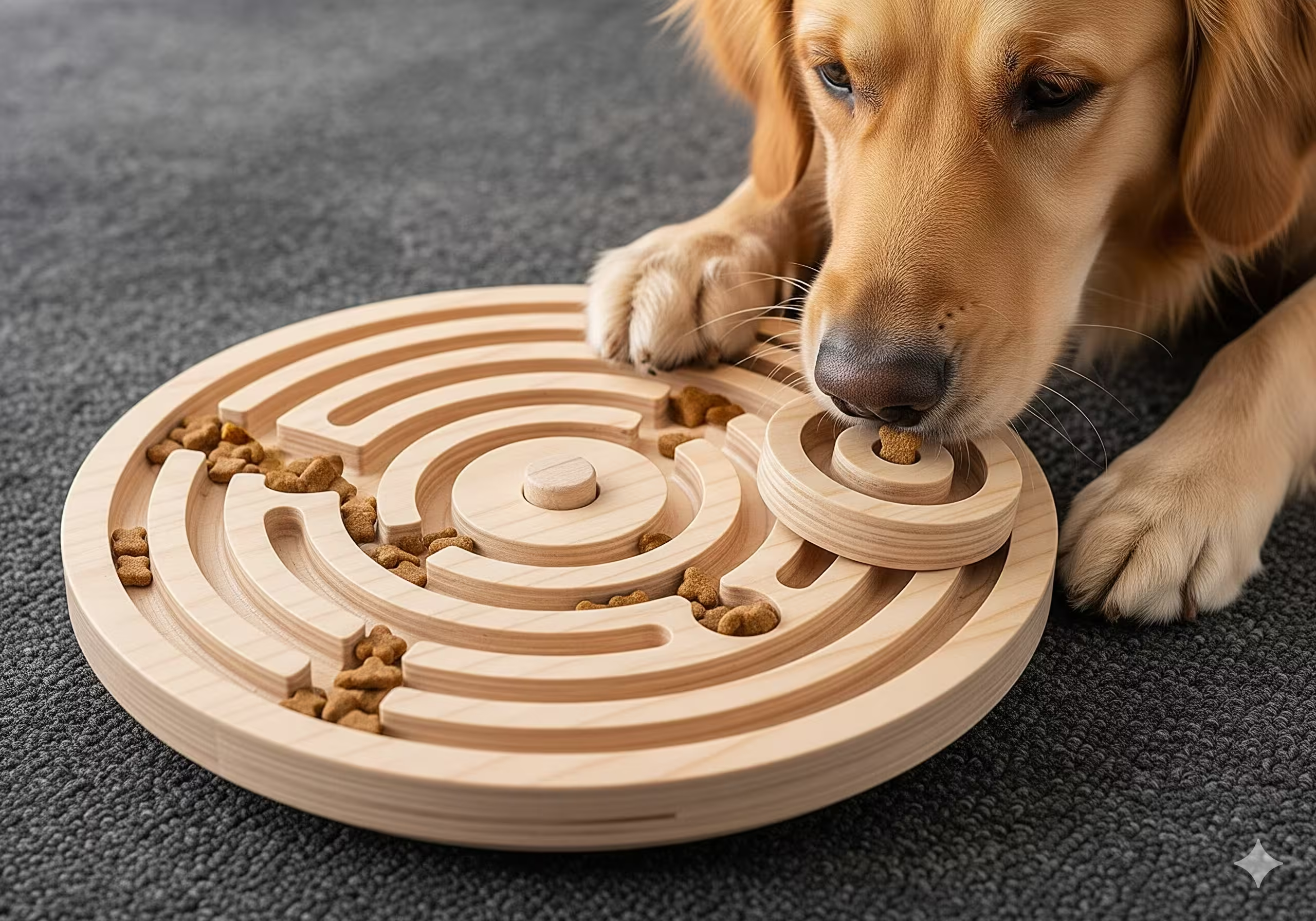
Why it works: Adds gentle resistance; teaches purposeful rotation instead of paw smacking.
Ingredients & Steps
Ingredients
- Spinner-style puzzle
- Kibble / a few soft pieces
Steps
- Pre-rotate to expose one slot as an anchor win.
- Cue a tiny nose push; reinforce rotation toward the slot.
- Increase rotation distance before payout.
Tug-Drawer Sequence (Pull → Slide)
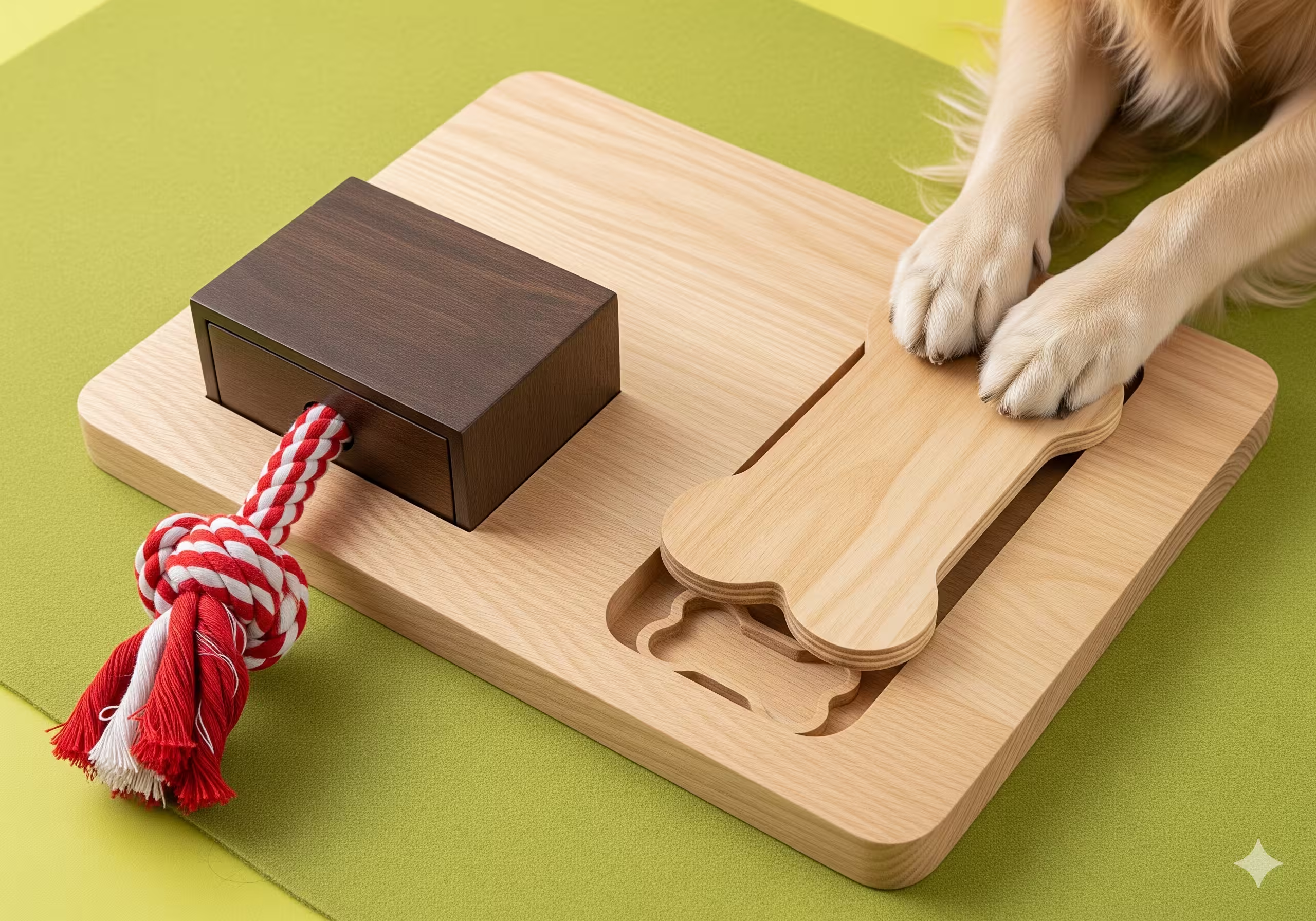
Why it works: Introduces a simple two-action puzzle for dogs—excellent for sequencing.
Ingredients & Steps
Ingredients
- Board with rope drawer + slide cover
- Kibble / soft treats
Steps
- Reinforce a gentle rope take + short pull.
- After pull, help the first slide; then fade help.
- Chain both actions before payout.
Detour Covers (Block → Work Around)
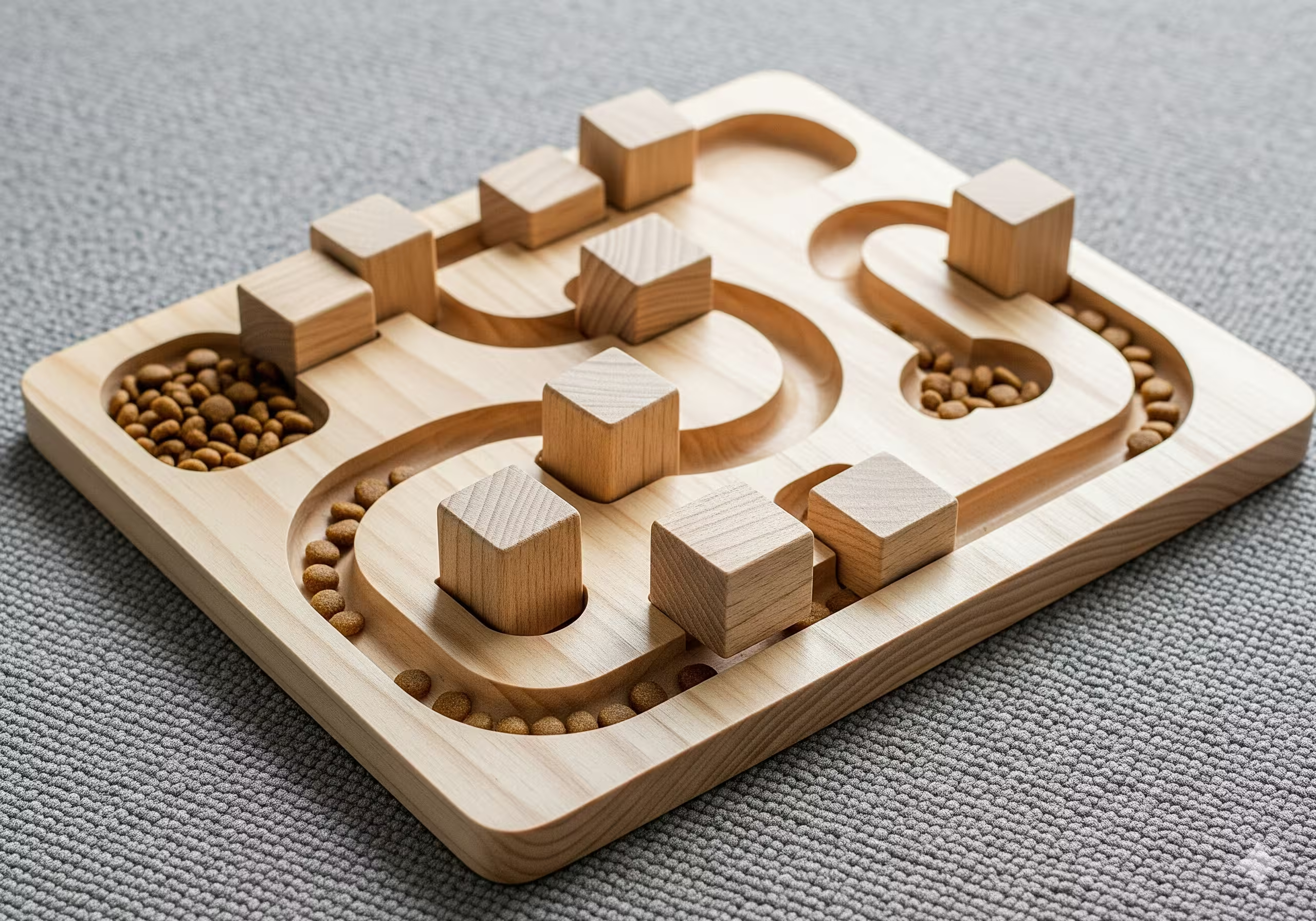
Why it works: Teaches route changes—true problem-solving games for dogs indoors.
Ingredients & Steps
Ingredients
- Board with removable blockers
- Kibble / soft treats
Steps
- Start with one blocker; expose an alternate path.
- Gradually add blockers in different positions.
- Rotate the board to prevent pattern memory.
Hybrid Nose-Work + Mechanic
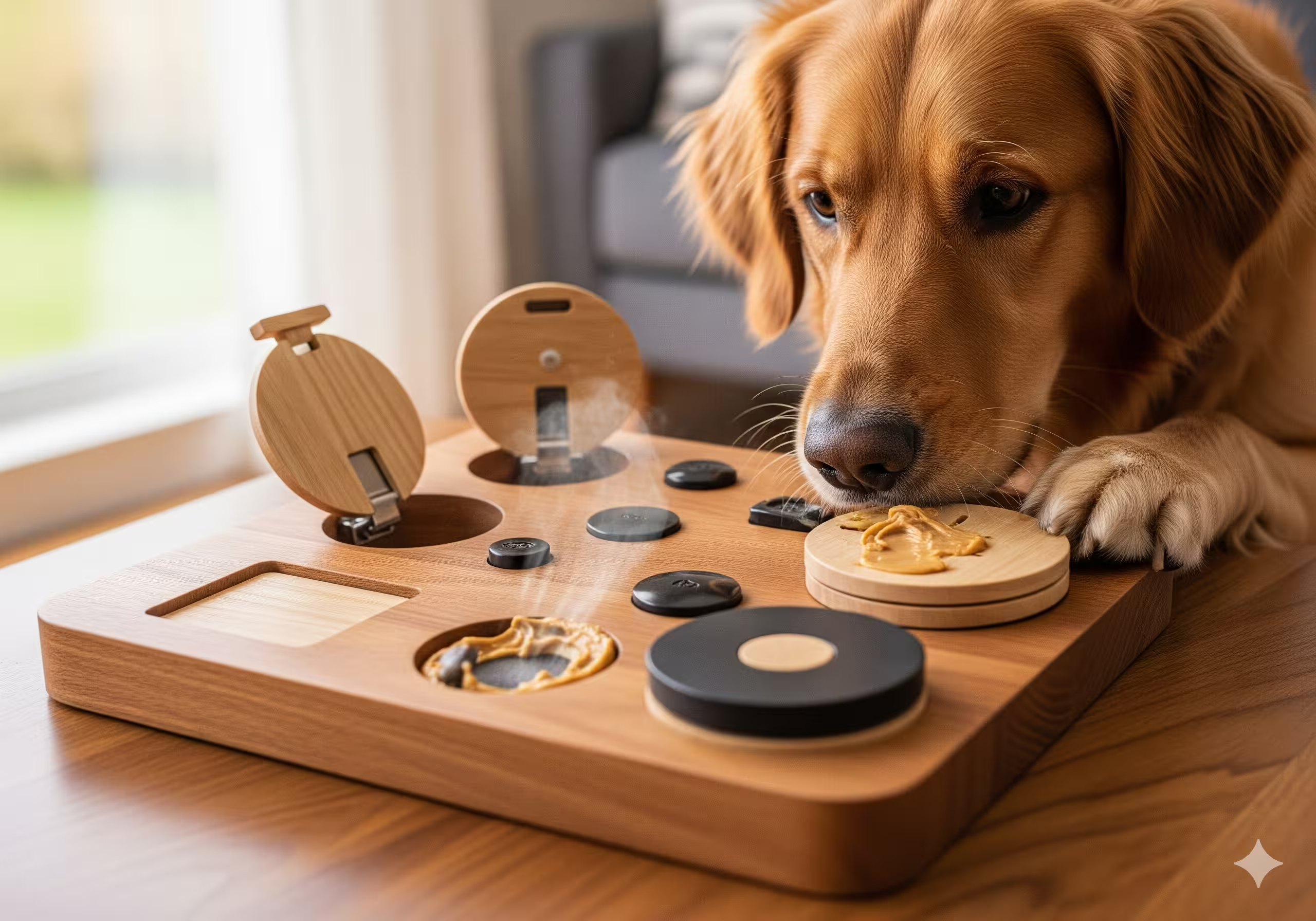
Why it works: Find the scented pocket first, then do the action—boosts search-then-solve dog puzzles.
Ingredients & Steps
Ingredients
- Board with multiple lids
- Soft treat crumb for scent seeding
- Kibble
Steps
- Seed one pocket with a tiny soft crumb for odor.
- Reward sniff target; then require the opening action.
- Fade scent cue as mechanics become fluent.
Dial the Difficulty
- Access: freebies → partial → fully closed.
- Resistance: light friction → normal → slightly heavier (safe only).
- Sequencing: one action → two actions → two actions with detour.
- Placement: vary board angle and start positions to prevent autopilot.
Keep sessions crisp (10–20 minutes). If arousal spikes, drop criteria, add a free pocket, and finish on a win—more on this in threshold management.
When Level 2 Fits Best
- Post-walk calm work: burn brain, not body.
- Confidence & social practice: pair puzzle days with micro-outings from the puppy socialization tool.
- Family coaching: involve kids with soft hands and turn-taking—see teaching a puppy to be gentle with kids.
Q&A & Troubleshooting
My dog gets loud or paw-smacky on Level 2
Re-balance the board with easier wins, switch to softer surfaces, and reinforce quiet nose pushes. Shorten bouts to 60–90 seconds, then reset.
Great at Level 1 but stalls on sequences
Split the chain: pay the first action twice, then the second action alone, then the full chain. Use a single prompt and fade it quickly.
How do I increase puzzle difficulty for dogs without frustration?
Add one blocker, one extra rotation, or a slightly tighter slide—only one variable at a time. Maintain a 70–80% success rate. When your dog needs a break, rotate to other dog enrichment activities and return fresh.
Safety & Clean-up
- Inspect moving parts; retire cracked tabs or rough edges.
- Disinfect lids/drawers after soft treat use.
- One dog at a time; store puzzles out of reach between sessions.
Mission Objective
Grow sequencing skill and calm persistence with Level-2 puzzles. Keep criteria tiny, reward accuracy, and rotate styles weekly.
Open the Full Enrichment Tool
Christopher Quinn adopted his first dog, Loki, a spirited Border Collie/Jack Russell mix, after exiting Army service in the summer of 2012. That experience sparked a lifelong passion for canine behavior and positive reinforcement training.
He studied Principles of Dog Training & Behavior at Penn Foster and has since worked with hundreds of dogs from all backgrounds. Over the past two years, Christopher has fostered more than 30 rescue dogs, giving each one a chance at a better life.
Today, he continues to write, teach, and share insights on humane dog training, blending hands-on experience with a decade of dedicated study.