
Imagine gliding down a trail, the wind in your face, powered by the joyful energy of your canine best friend. This isn’t a fantasy; it’s the exhilarating reality of scooterjoring with a dog.
This dynamic sport combines the accessibility of a kick scooter with the ancient tradition of dog-powered travel, creating a unique, high-octane workout that builds an incredible bond between you and your pup. It’s more than just a walk; it’s a cooperative adventure that provides deep physical and mental enrichment. If you have an energetic dog who loves to run, you’ve just found your new favorite activity.
Ready to transform your dog’s exercise routine from a simple chore into a thrilling partnership? This guide will give you everything you need to start safely. Explore Our Dog Enrichment Hub and discover how to channel your dog’s energy into an amazing shared passion.
What Exactly Is Scooterjoring?
Is Your Dog a Good Candidate?
Essential Equipment
Cost & Time Commitment
How to Start: Step-by-Step
Why It Works: Enrichment & Learning
Safety Protocols
Troubleshooting
When to Stop or Adjust
FAQ & Comparisons
Conclusion
What Exactly is Scooterjoring with a Dog?
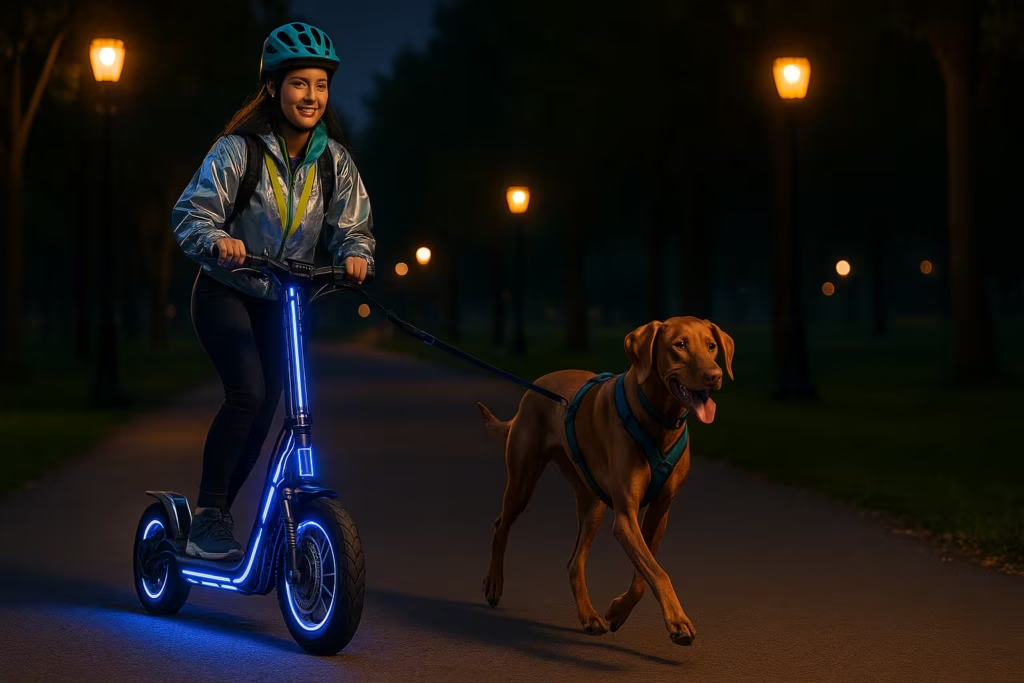
At its core, scooterjoring is a dog mushing sport where one or more dogs pull a person riding a kick scooter. Think of it as a modern, urban-friendly version of dogsledding. The dog is fitted with a specialized pulling harness connected by a bungee line to the front of a sturdy, large-wheeled scooter. The rider, or “musher,” assists by kicking and steers the scooter, working in tandem with their canine engine. This dynamic teamwork is what makes scooterjoring with a dog so unique.
Unlike its cousins, bikejoring (with a bicycle) and canicross (with a running human), scooterjoring offers a distinct advantage for beginners: a lower center of gravity. Standing on the scooter’s deck places you closer to the ground, which often makes balancing easier and dismounting—or “bailing”—in a hurry much safer than on a bike. This stability makes it an excellent gateway into the world of mushing sports.
The core of successful scooterjoring with a dog lies in this teamwork, creating a partnership that’s as mentally engaging as it is physically demanding.
Is Your Dog a Good Candidate for Scooterjoring?
While the idea of flying down a path powered by your pup is exciting, it’s crucial to ensure your dog is physically and temperamentally suited for the sport of scooterjoring with a dog. Safety and the dog’s well-being must always be the top priorities.
Top Breeds for Scooterjoring — Compact Bars
Top 5
Show the Next 25 Breeds
Best Breeds and Physical Traits
Traditionally, northern breeds like Siberian Huskies, Alaskan Malamutes, and Samoyeds excel at pulling sports, and they are fantastic candidates for scooterjoring with a dog. However, many other breeds have the drive and build for scooterjoring. Sporting breeds such as German Shorthaired Pointers, Vizslas, and Border Collies often have the perfect combination of athleticism, endurance, and enthusiasm. Even sturdy mixed-breed dogs can make fantastic partners.
Here are the key physical requirements:
- Weight and Build: A minimum weight of 35-40 pounds is generally recommended to ensure the dog can safely pull the weight of a person and scooter. They should have a solid, athletic build.
- Age and Growth: This is non-negotiable. Dogs must be fully grown before they start pulling in a harness. This means waiting until they are 18 to 24 months old, when their growth plates have closed. Starting too early can cause severe, lifelong joint damage.
- Health: Your dog must be in excellent health. A veterinarian check-up is a wise first step to clear them for high-impact activities and ensure there are no underlying heart, respiratory, or orthopedic issues.
- A Natural Desire to Pull: The most important trait is a genuine love for running and a desire to pull forward. You can’t force a dog to enjoy this; the best partners are the ones who are practically vibrating with excitement to get going.
Temperament and Training Foundation
A strong body is only half the equation. A successful scooterjoring dog also needs the right mindset. They should be confident, eager to work, and able to focus on the task at hand, even with distractions. A dog that is extremely reactive or fearful may find the experience overwhelming. Before you even think about buying gear, your dog should have a solid foundation in basic obedience.
A reliable “stay” and “come” are essential for safety and control. This foundation is built on trust and clear communication, often established using positive reinforcement techniques that make learning a fun and rewarding game for your dog.
Essential Equipment for Scooterjoring with a Dog
Investing in the right gear for scooterjoring with a dog is not just about performance; it’s about ensuring the safety and comfort of both you and your dog. Using improper equipment can lead to injury, so this is not the place to cut corners.
Essential Equipment — For Your Dog
- Proper pulling harness (X-back / H-back) — never a walking or no-pull harness.
- Bungee line (6–8 ft) with shock-absorber to protect both dog and rider.
- Paw protection (booties) for rough terrain; optional but recommended.
- Water + collapsible bowl — hydrate frequently.
Essential Equipment — For You
- Joring-appropriate scooter with large air-filled tires and reliable front/rear brakes.
- Helmet — non-negotiable.
- Protective gear — gloves and eye protection recommended.
- Footwear — sturdy, closed-toe shoes with good grip.
For Your Dog
Proper Pulling Harness (X-back or H-back)
A joring harness spreads force across the chest and shoulders so your dog can pull naturally. Do not use walking or no-pull harnesses or collars—they restrict gait and can injure the neck or forelimbs when load is applied.
Bungee Line (6–8 ft)
A built-in shock section smooths out surges and sudden stops, protecting joints and keeping the ride stable. Choose a line length that keeps the scooter outside kick/back-kick range and attaches via a safe quick-release.
Paw Protection (Booties)
Optional but recommended for pavement, gravel, ice, or abrasive trails. Proper fit prevents spin-off; bring spares for long runs.
Water & Collapsible Bowl
Hydrate at planned intervals—especially in warm weather or on dry wind. Offer small amounts frequently rather than one large drink.
Pro tip: check harness fit at speed—look for straight tracking, free shoulder extension, and no rubbing on the sternum or axilla.
For You
Joring-Appropriate Scooter
- Tires: Large, air-filled (front 20–26"), with tread matched to your surface.
- Brakes: Reliable front & rear (disc or quality V-brakes) for controlled deceleration.
- Geometry: Wide, grippy deck and stable steering for easy bail-outs.
Helmet (non-negotiable)
Wear a certified bicycle or skate helmet with a snug fit and no play. Replace after impacts or when the liner degrades.
Protective Gear
- Gloves: Grip and rope-burn protection when handling lines.
- Eye protection: Sunglasses or clear lenses for debris and branches.
Appropriate Footwear
Sturdy, closed-toe athletic shoes with good tread. Avoid sandals, soft soles, or anything that slips on braking pushes.
Safety loop: pre-run check—brakes bite, tire pressure set, line integrity, harness fit, and ambient temperature acceptable.
Estimated Cost and Time Commitment
- Initial Cost: Getting started can range from $300 to $800+.
- Time Commitment: Training for scooterjoring with a dog starts with short, 10-15 minute sessions. As your dog’s fitness and skills improve, you can build up to longer runs of 30-60 minutes.
How to Start Scooterjoring with Your Dog: A Step-by-Step Guide
Introducing your dog to scooterjoring should be a gradual and positive process. Rushing it can create fear or confusion. The goal is to build your dog’s confidence and enthusiasm at every stage.
Step 1: Acclimatizing to the Equipment (Separately)
Before you ever connect the dog to the scooter, each of you needs to be comfortable with your new gear. For the dog, introduce the pulling harness inside your home with plenty of treats and praise. If your dog is anxious, you may need to help a dog overcome fear of new objects with patience. For you, take your new scooter out for a spin without your dog to get a feel for the balance and brakes.
Step 2: Teaching the Fundamental Cues on Foot
Your voice is your steering wheel and brake pedal. These cues must be taught on the ground first, long before you add the speed and complexity of scooterjoring with a dog. The essential cues are “Hike!” (Go), “Whoa!” (Stop), “Gee” (Right), “Haw” (Left), and “On-By!” (Ignore distraction). This process relies on the principles of operant conditioning, where your dog learns that performing the correct action earns a reward.
Step 3: The First Hook-Up
Once your dog knows the cues on foot, it’s time for the first real run. Choose a safe, open, and low-distraction area. Attach the bungee line, place one foot on the scooter, and give a few gentle pushes to get moving before you give the “Hike!” cue. This helps your dog understand what’s being asked. Keep the first session incredibly short and positive.
Step 4: Building Confidence and Distance
As you and your dog get the hang of it, you can gradually increase the length of your runs. Start incorporating gentle turns. Focus on making scooterjoring with a dog the best part of their day. The goal isn’t speed or distance at first, but clear communication and joyful cooperation.
Why Scooterjoring Works: The Science of Canine Enrichment and Cooperation
Scooterjoring is far more than just exercise; it’s a powerful tool for canine enrichment that taps into deep-seated instincts and strengthens the human-animal bond through the science of learning.
The Behavioral Benefits
For many dogs, a simple walk is not enough to satisfy their physical and mental needs. Scooterjoring provides an incredible outlet by fulfilling the instinctual drive to run and pull. This form of intense work is one of the most fulfilling dog enrichment activities you can provide. A tired, mentally stimulated dog is a happy, well-behaved dog. The focused partnership required for scooterjoring with a dog channels their energy into a productive and rewarding task.
Why Scooterjoring Works
Tune the behavioral inputs or build the learning steps. The readouts explain how scooterjoring satisfies instincts and deepens trust.
Behavioral Benefits Dashboard
Adjust the sliders to model your dog. The score estimates how well scooterjoring converts drive into focused, rewarding work.
With high energy and good guidance, scooterjoring converts raw drive into calm at home and better manners.
Learning Theory Builder
Check off shaping steps. As you layer behaviors and reinforce success, trust grows and cues become automatic.
Start simple, reinforce success, then layer complexity. Consistency builds trust.
The Learning Theory Behind the Cues
The entire process of teaching is a masterclass in learning theory. When you teach directional cues, you are using a process of behavioral shaping. You start with a simple behavior and gradually add layers of complexity. Each correct response is reinforced, making the dog more likely to repeat it. This clear, consistent communication system builds immense trust.
Safety First: Essential Protocols for Scooterjoring
The speed and power involved in scooterjoring with a dog demand a rigorous commitment to safety. A fun outing can turn dangerous in an instant if you aren’t prepared.
Pre-Run Checklist
Before every single run, perform a quick safety check: equipment (brakes, tires, harness), weather (avoiding heat is critical), and your dog’s physical state. If your dog seems “off,” skip the run.
On the Trail Etiquette and Awareness
When you are out practicing scooterjoring with a dog, you are an ambassador for the sport. Always be courteous and in control.
- Managing Distractions: Your “On-By!” command is your best friend. Practicing this is a key part of mastering threshold management and teaching your dog to stay focused.
- Yielding to Others: As the faster-moving party, it is your responsibility to yield. Announce your presence and always slow to a walk when passing.
- Environmental Control: Be aware of your surroundings. Effective environmental management and control means choosing your routes wisely.
Troubleshooting scooterjoring with a dog
Quick fixes for line management, focus, safe passing, motivation, and when to pause or adjust your run.
My dog won’t pull or gets easily distracted during scooterjoring with a dog
This is common when starting scooterjoring with a dog. Reset to a very low-distraction area, verify perfect harness fit, and make forward motion a game. Keep sessions short (5–10 minutes), end on a win, and build momentum with generous reinforcement.
Pro tip: a gentle downhill or a few strong kicks from you lets the dog feel success without pressure.
My dog pulls to the side or tangles the line while scooterjoring with a dog
This usually means sniffing or novelty is winning. Rehearse On-By! plus directional cues on foot, then retry at low speed. Mark and reward straight tracking; release to sniff after a clean pass so criteria stay clear.
Equipment check: centered attachment, smooth bungee, and (optionally) a short line antenna to keep cord off the wheel.
My dog stops suddenly and refuses to move during scooterjoring with a dog
First rule out overheating, sore pads, burrs, or aches. Never force a restart. If health looks fine, treat it as uncertainty: step down difficulty and finish with an easy success. Confidence routines—like those in how to help a new puppy adjust to your home—apply equally to new or timid dogs learning scooterjoring.
Short, upbeat reps > long grinds. Build the habit that forward work predicts rewards and fun.
How do I handle other people, kids, or dogs on the trail while scooterjoring with a dog?
Be proactive: slow early, announce your pass, yield when space is tight, and use a sit/stay if needed. Your Whoa! and On-By! cues must be reliable before busy routes. For family rides, review how to teach a puppy to be gentle with kids to keep interactions calm and safe.
Practice controlled passes with a helper; reward neutrality to distractions.
When to stop or adjust your run in scooterjoring with a dog
Watch your dog—not your watch. Stop immediately for panting that won’t settle, darkening tongue, limping, or stress signals. Shorten routes in heat/humidity and schedule sessions for cooler hours.
If enthusiasm dips, reset with a shorter, more playful session or take a rest day.
What’s the difference between scooterjoring and bikejoring?
It’s mainly equipment and handling. Scooterjoring’s lower center of gravity makes it friendlier for beginners and safer to bail; bikejoring is typically faster but needs more balance. Many teams start scooterjoring with a dog and later cross-train to bikejoring.
Frequently Asked Questions about Scooterjoring with a Dog
What kind of scooter is best for scooterjoring?
The best scooters for scooterjoring with a dog have a large front wheel (20–26 inches), a smaller rear wheel, reliable front and rear brakes (disc or quality V-brakes), and a wide deck. Brands like Pawtrekker, Kickbike, and Mongoose offer popular off-road/mushing models.
How old does my dog need to be to start?
Your dog must be physically mature—typically 18–24 months—so growth plates are closed. Starting earlier risks long-term joint damage. Confirm readiness with your veterinarian.
Can small dogs participate in scooterjoring?
Generally, scooterjoring with a dog is best for medium to large breeds (about 35–40 lb and up) that have an athletic build and a natural desire to run and pull.
Is scooterjoring safe in the city?
Urban scooterjoring can be done but requires advanced training and careful route choice. Prefer quiet paths/parks, ride off-peak, yield and announce passes, and slow to a walk near others.
How do I know if my dog is having fun?
Look for “happy running” signals: eager to harness, forward pull, relaxed ears, and a smooth, driving gait. If enthusiasm fades, shorten the session, check for heat/paw issues, and end on a positive note.
What’s the difference between scooterjoring and bikejoring?
The big differences are equipment and handling. Scooterjoring’s lower center of gravity makes it easier to learn and safer to bail; bikejoring is faster but demands more balance and skill.
Can I use a regular walking harness?
No. Use a purpose-built joring harness (X-back or H-back) that distributes force evenly. Walking or no-pull harnesses restrict movement and can cause injury under load.
How does this fit into my dog’s overall socialization?
This activity is for a dog with a stable temperament. The focus during a run is the job, not greetings—but learning to ignore people and dogs is great practice. For foundations, see our comprehensive puppy socialization tool.
Conclusion: Your Next Adventure Awaits
Scooterjoring with a dog is more than a sport; it’s a language of movement and cooperation. It offers an unparalleled opportunity to deepen your bond, provide your high-energy companion with a fulfilling job, and explore the outdoors in a new way.
By investing in the right equipment, committing to positive training, and always prioritizing your dog’s safety, you can unlock a rewarding shared hobby. The partnership you build through scooterjoring with a dog will extend far beyond the path, enriching every aspect of your life together.
For additional background on safe canine sports, you can review the American Kennel Club’s guide to dog sports, which outlines recognized activities and best practices.

Christopher Quinn adopted his first dog, Loki, a spirited Border Collie/Jack Russell mix, after exiting Army service in the summer of 2012. That experience sparked a lifelong passion for canine behavior and positive reinforcement training.
He studied Principles of Dog Training & Behavior at Penn Foster and has since worked with hundreds of dogs from all backgrounds. Over the past two years, Christopher has fostered more than 30 rescue dogs, giving each one a chance at a better life.
Today, he continues to write, teach, and share insights on humane dog training, blending hands-on experience with a decade of dedicated study.