
For your dog, digging is not a mischievous act of landscape destruction—it’s a calling. It’s an instinct woven into their DNA, a satisfying job that fulfills their need to search, uncover, and problem-solve. But that natural drive often clashes with our desire for a crater-free lawn.
So how do you honor your dog’s instincts without sacrificing your garden? The answer is a simple, powerful enrichment tool: the Targeted Dig Pot for dogs.This guide is your complete blueprint for turning a frustrating behavior into a joyful, sanctioned activity. Instead of constantly saying “no,” you’ll create an enthusiastic “yes!” zone where your dog is encouraged to dig to their heart’s content.
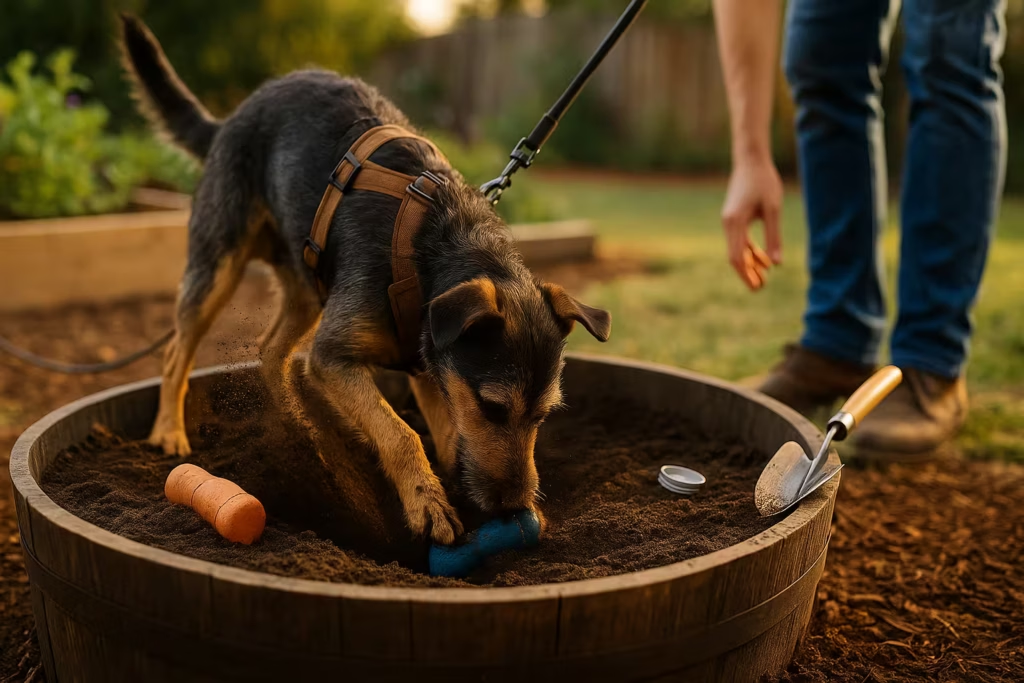
We’ll show you how to build a dig pot, train your dog to love it, and use it to provide crucial mental and physical stimulation. A Targeted Dig Pot for dogs isn’t just a management trick; it’s a way to meet your dog’s needs, build their confidence, and create a more harmonious home.
Why It Works: The Behavioral Science of a Sanctioned Dig
To effectively solve a behavior problem, we first have to understand its root cause. Dogs dig for a multitude of reasons, all of which are perfectly natural.
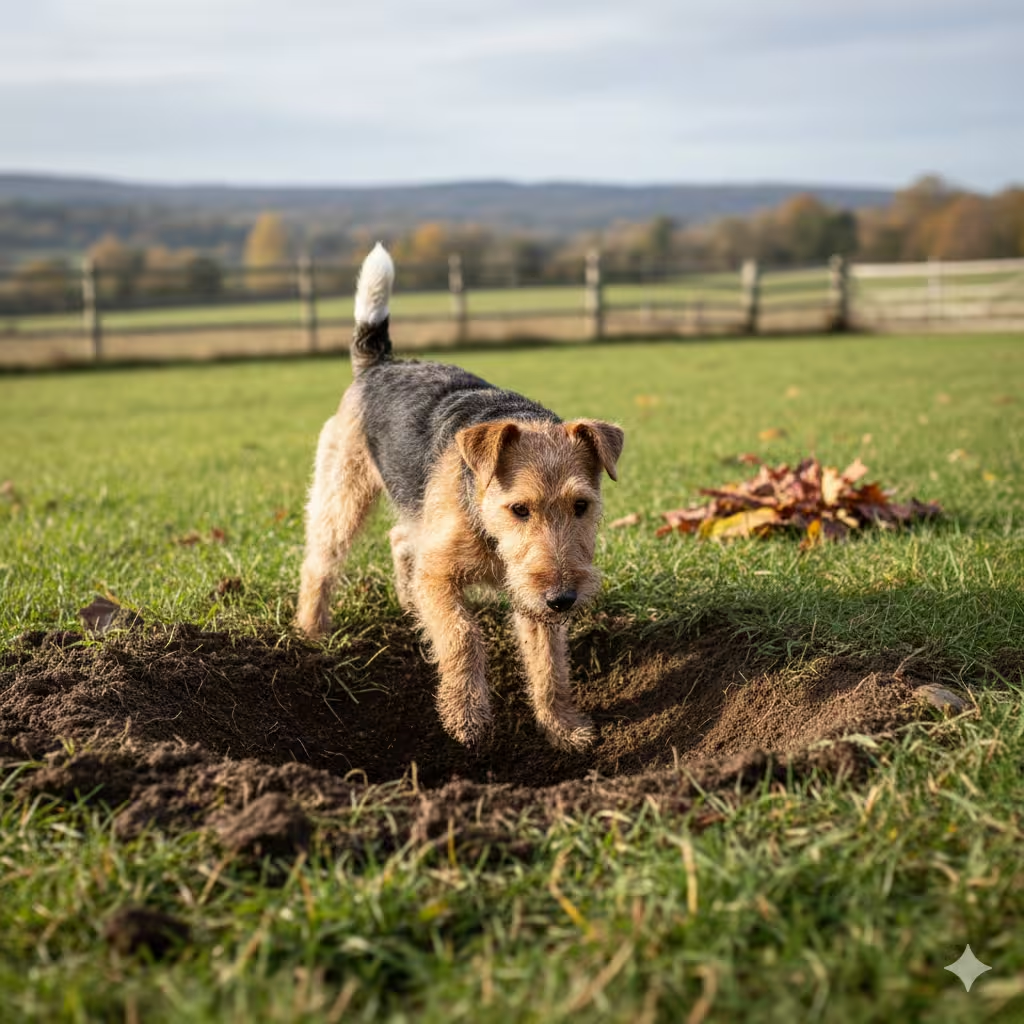
Instinctual Prey Drive
Instinctual Prey Drive
Many breeds were developed to hunt for vermin, badgers, or foxes in underground dens. Digging is hardwired into their DNA.
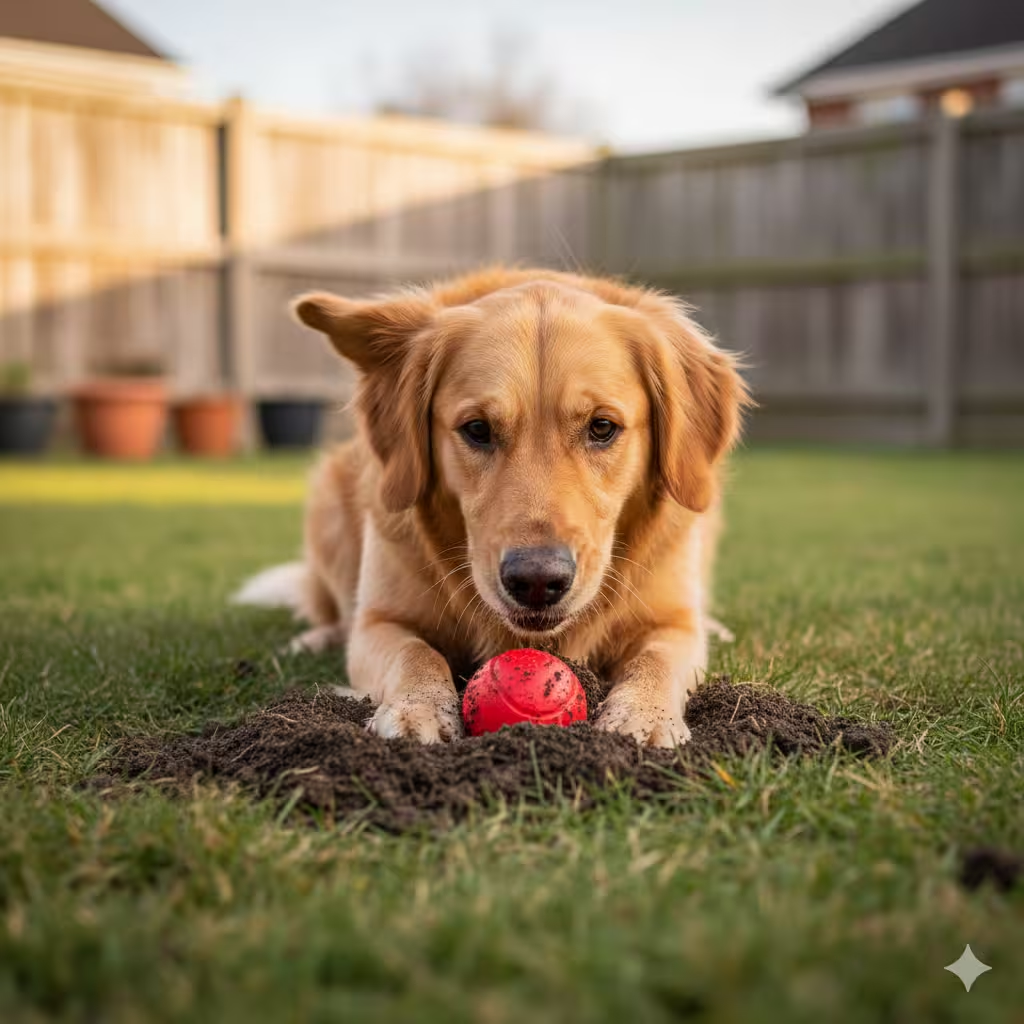
Caching Resources
Caching Resources
Their ancestors buried food to keep it safe from scavengers. Your dog might be doing the same with their favorite chew toy.
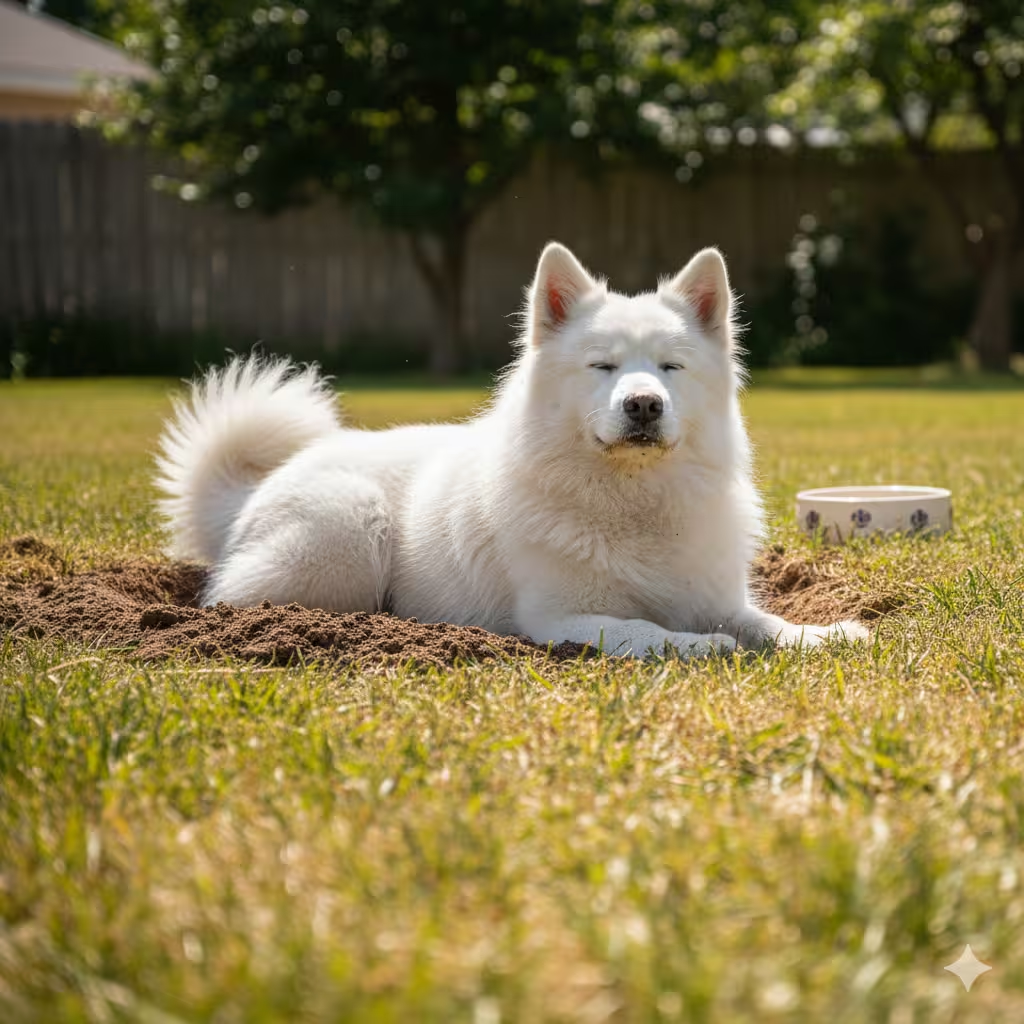
Denning Behavior
Denning Behavior
Creating a cool pit of earth to lie in is a natural way for a dog to regulate its body temperature on a hot day or find security.
Punishing this innate behavior is often ineffective and can lead to confusion and anxiety. Your dog doesn’t understand why digging is wrong, only that it sometimes results in a negative consequence. A far more effective approach is to manage the environment and redirect the behavior to an appropriate outlet. This is where the beauty of a Targeted Dig Pot for dogs truly shines.
It leverages powerful learning principles. By making the designated digging spot incredibly rewarding, we use the science of operant conditioning in dog training to our advantage. The dog learns that digging in the pot leads to fantastic outcomes (finding a toy, getting praise), while digging elsewhere does not. This clear communication reduces frustration for both dog and owner.
Furthermore, this activity is one of the best dog enrichment activities you can provide, as it engages their mind, body, and most powerful sense: their nose. Finding a hidden, scented object in the pot fulfills their desire to seek, hunt, and problem-solve.
Best Breeds for a Targeted Dig Pot
Next 25 Breeds
How to Create and Use a Targeted Dig Pot for Dogs
Ready to build your own digging paradise? This project is simple, affordable, and can be assembled in under 30 minutes.
Part 1: Building Your Dig Pot
Materials Checklist
- The Container: The ideal container is durable and appropriately sized for your dog.
- Large Planter Pot: Excellent for small to medium dogs. Heavy-duty plastic or a half-whiskey barrel works well.
- Kiddie Pool: A fantastic option for larger dogs or enthusiastic diggers, offering ample space.
- DIY Sandbox: A wooden frame built in a corner of the yard provides a permanent, large-scale solution.
- The Substrate (Filling): Safety is the top priority here. The substrate should be non-toxic and free of anything your dog shouldn’t ingest.
- Organic Topsoil: Ensure it’s free from pesticides, fertilizers, and herbicides.
- Play Sand: The kind used for children’s sandboxes is a clean, popular choice.
- Coco Fiber: This soft, soil-like material is a great option, especially for indoor setups.
- AVOID: Cocoa mulch (toxic to dogs), soil with chemical treatments, or gravel with sharp edges.
- The Treasure: This is the reward! It needs to be high-value enough to make the dig pot the most exciting place in the yard.
- Scented Nose Work Tin: An official tin with birch, anise, or clove scent is perfect for tapping into their olfactory senses.
- Durable Chew Toy: A Kong, Benebone, or other favorite chew can be buried.
- High-Value Treats: Place some smelly treats inside a small, durable, and easily found container (like a small PVC pipe with caps or a designated food-safe toy).
Time & Cost Estimate
- Time: 15–30 minutes
- Cost: $20–$60, depending on the size of your container and choice of substrate.
Part 2: Training Your Dog to Use the Dig Pot
Introducing the Targeted Dig Pot for dogs correctly is crucial for success. We want to build a powerful positive association from the very first interaction. The goal is to make it abundantly clear to your dog that this specific spot is where the digging magic happens.
Targeted Dig Pot Training Guide
A step-by-step guide to positive reinforcement.
Step 1: The Introduction
Before burying anything, simply let your dog investigate the new pot and its contents. Scatter a few low-value treats on the surface to encourage exploration. Praise them calmly for any interaction. We are simply letting them get comfortable with this new object in their environment.
Step 2: The First Find (Make it EASY)
This is the most critical step. Take your chosen “treasure” and bury it very shallowly, perhaps even leaving a part of it exposed. Bring your dog to the pot, point to the item, and use an enthusiastic verbal cue like “Find it!” or “Where is it?”. When they “find” it, celebrate with a huge party! This initial success is foundational. This is a perfect example of applying the core principles of positive reinforcement 101.
Step 3: Gradually Increase Difficulty
For the next few repetitions, bury the item slightly deeper each time. We are slowly building the duration and intensity of the digging behavior required for a reward. This incremental process is a training technique known as shaping in dog training, where you reward small steps toward a final goal behavior. Don’t increase the difficulty too quickly; we want your dog to succeed every time.
Step 4: Redirect, Redirect, Redirect
If you catch your dog attempting to dig in an unauthorized location, calmly interrupt them—a simple “Ah-ah!” will do—and immediately lead them over to their Targeted Dig Pot for dogs. Encourage them to dig there instead, and reward any effort they make in the correct spot. Consistency is everything. This requires active supervision, which is a key component of good dog training management and environmental control.
By following these steps, you are clearly communicating your expectations. The dig pot becomes a source of fun, reward, and instinctual fulfillment, making the rest of the yard seem far less interesting by comparison. The benefits of using a Targeted Dig Pot for dogs extend far beyond just saving your lawn.
Key Benefits of a Targeted Dig Pot for Dogs
This simple tool is a powerhouse of behavioral and psychological benefits for your dog.
Reduces Destructive Behavior: The most obvious benefit is that it provides a “yes” for a behavior you want to stop elsewhere. It preserves your garden, patio, and outdoor furniture.
Provides Critical Mental Stimulation: The act of searching, sniffing, and problem-solving is mentally taxing for a dog. A 10-minute session with the dig pot can be more tiring than a 30-minute walk. This helps prevent boredom, which is a common cause of nuisance behaviors.
Builds Confidence: Successfully finding a hidden treasure is a huge confidence booster, especially for timid or anxious dogs. It gives them a task they can complete on their own, fostering a sense of agency. For a puppy scared of everything, this predictable and rewarding game can be transformative.
Serves as a Healthy Energy Outlet: Digging is a full-body workout! It engages the muscles in their shoulders, neck, and legs, providing a great source of physical exercise.
Strengthens Your Bond: Training your dog to use their dig pot is an interactive and fun activity you can do together, strengthening your communication and relationship.
Targeted Dig Pot Troubleshooting & FAQ
My dog isn’t interested in the dig pot.
This is a common starting hurdle. First, dramatically increase the value of the treasure you’re hiding. A boring biscuit won’t compete with the exciting roots and critters in the real yard. Try a high-value chew or a toy filled with peanut butter. Second, make the first few finds ridiculously easy. Your dog needs to learn that the pot produces good things. Finally, try a different substrate. Some dogs have strong textural preferences; sand might be more appealing than soil, or vice-versa.
My dog is eating the substrate.
This is precisely why all sessions with the Targeted Dig Pot for dogs must be supervised. If your dog starts gulping mouthfuls of dirt or sand, interrupt them immediately with a “leave it” cue. This is especially important when you first help a new puppy adjust to your home. If the behavior persists, you need to change the substrate to something inedible and less appealing. For an indoor dig pot, shredded paper or fabric scraps work well. For outdoors, you could use larger, smooth river stones or even ball pit balls, which provide the sensation of digging without being edible.
My dog still digs in the garden.
Training isn’t magic; it needs to be paired with management. If your dog has a favorite digging spot under the deck, you must temporarily block access to it. Make the Targeted Dig Pot for dogs the path of least resistance. Every time you see them start to dig elsewhere, calmly interrupt and redirect to the pot, making a find there extra rewarding. This is a matter of managing their environment until the new, positive habit is stronger than the old one. It’s a practical application of understanding your dog’s thresholds and how to manage them.
When to stop or adjust a session?
Keep sessions short and fun, ideally 5–10 minutes. Stop before your dog gets bored or overly aroused. If you see signs of frantic, obsessive digging, or they become so focused they ignore your cues, it’s time for a break. The goal is joyful enrichment, not creating a compulsion.
What is the absolute best substrate for a dog’s dig pot?
The “best” substrate depends on your location (indoor vs. outdoor) and your dog’s behavior. For outdoor pots, a 50/50 mix of organic, pesticide-free topsoil and children’s play sand is often ideal. It holds its shape for digging but isn’t overly messy. For indoor use, shredded paper, old towels, or ball pit balls are excellent, mess-free options.
Can I really use a targeted dig pot indoors?
Yes! An indoor Targeted Dig Pot for dogs is a fantastic way to provide enrichment on rainy days. Use a storage tote or a fabric laundry basket as the container and fill it with clean, indoor-friendly materials like those mentioned above. It provides all the mental benefits without the mud.
How often should my dog be using their dig pot?
This depends on your dog’s individual needs. For a high-energy dog with a strong digging history, daily sessions might be beneficial. For most dogs, 2–4 sessions per week provide a great enrichment boost. Watch your dog’s behavior; if you see an increase in inappropriate digging, it might be a sign they need more time with their approved outlet.
Is a targeted dig pot a good idea for a young puppy?
It’s an outstanding tool for puppies. It provides a safe and appropriate outlet for their boundless energy and curiosity. It’s a fantastic addition to any puppy socialization tool kit, teaching them the vital lesson of what to do, not just what not to do. It can even help with mouthiness, as it’s a skill they can learn in parallel with how to be gentle with kids.
Help! My dog just flings the dirt everywhere!
Embrace the controlled chaos! Some flinging is part of the fun for them. To minimize the mess, choose a container with higher sides, like a stock tank or a deeper kiddie pool. You can also place a tarp or old shower curtain underneath the pot to make cleanup easier. Positioning the pot in a mulched area of the yard instead of on the patio can also help contain the mess.
How does a Targeted Dig Pot for dogs help with canine anxiety?
It works in several ways. The physical act of digging is a natural stress-reliever. The focused, problem-solving nature of searching for a hidden item can interrupt anxious thought patterns. And finally, it provides a predictable, rewarding activity that a dog can control, which builds confidence and reduces feelings of helplessness that can fuel anxiety.
Conclusion: Embrace the Dig
The Targeted Dig Pot for dogs is a testament to the power of working with your dog’s nature, not against it. By providing a sanctioned outlet for an instinctual behavior, you can resolve a frustrating issue while simultaneously enriching your dog’s life, reducing their anxiety, and strengthening your bond. It’s a simple, elegant solution that honors the animal they are.
This single activity addresses physical exercise, mental stimulation, and behavioral redirection in one affordable package. So, instead of battling over every hole in the yard, build a Targeted Dig Pot for dogs this weekend and turn a source of conflict into a point of connection.
Ready to explore even more ways to keep your dog’s mind engaged? Check out our complete collection of creative, expert-approved games and activities in the PupCommand Enrichment Hub.

Christopher Quinn adopted his first dog, Loki, a spirited Border Collie/Jack Russell mix, after exiting Army service in the summer of 2012. That experience sparked a lifelong passion for canine behavior and positive reinforcement training.
He studied Principles of Dog Training & Behavior at Penn Foster and has since worked with hundreds of dogs from all backgrounds. Over the past two years, Christopher has fostered more than 30 rescue dogs, giving each one a chance at a better life.
Today, he continues to write, teach, and share insights on humane dog training, blending hands-on experience with a decade of dedicated study.