
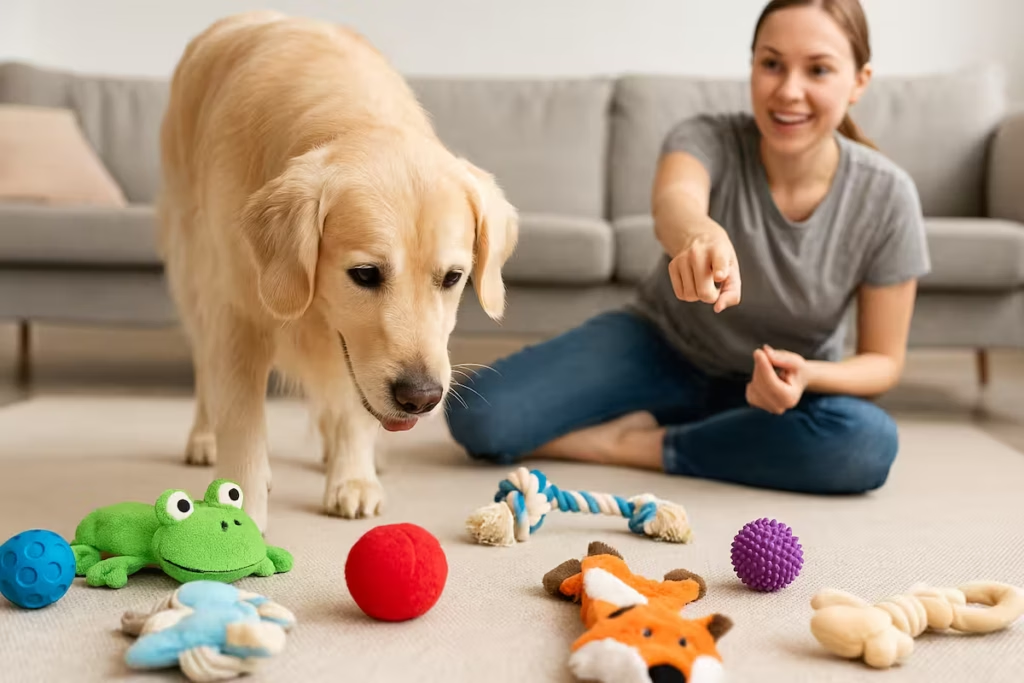
Have you ever watched your dog frantically search for their favorite squeaky hedgehog in a pile of plushies and wondered if you could make the game even more engaging? You absolutely can!
Teaching your dog to find their toys by name is more than just a clever party trick; it’s a fantastic form of mental stimulation that taps into their natural scenting and problem-solving abilities. This fun dog toy search training game strengthens your bond, builds your dog’s confidence, and provides a wonderful outlet for their energy on a rainy day.
This guide will walk you through the simple, positive steps to teach your dog to find toys by name. It’s one of the most rewarding canine enrichment activities you can do together, turning playtime into a brilliant brain game. We’ll focus on making learning fun and successful for both you and your canine companion!
Canine Development & Object Name Recognition
This chart visualizes key developmental factors that influence how you can teach your dog to find toys by name. This skill, a form of object discrimination, is a fantastic canine cognitive enrichment activity. Use the slider to explore how these traits change with age.
Why Naming Toys Matters: More Than Just Play
Dogs have an incredible capacity for learning language, and associating names with specific objects is a great way to expand their vocabulary and cognitive skills. This type of training is built on the principles of positive reinforcement puppy training, where we reward desired behaviors to make them more likely to happen again.
By turning dog toy search activities into a game, you’re not just teaching a command; you’re building a stronger line of communication.
A dog who understands the names of their toys is a dog who is actively thinking and engaging with their environment! This is especially beneficial for shy or fearful dogs, as mastering a new skill can be a huge confidence booster. If you’re working with a puppy scared of everything, celebrating these small training victories can help them see the world as a less intimidating place. It gives them a predictable and rewarding job to do.
Getting Started: The Foundation for Success
Before you start teaching toy names, ensure your dog has a few foundational skills. A solid retrieve is helpful, but not essential. More importantly, your dog should have a good “drop it” cue. This ensures you can easily end the game and reset for the next round without any frustration. If your pup is still learning this, working to teach your dog the ‘drop it’ command is a great starting point.
What You’ll Need:
Choose Your Tools
Enhance Sensory Learning
Use Variety
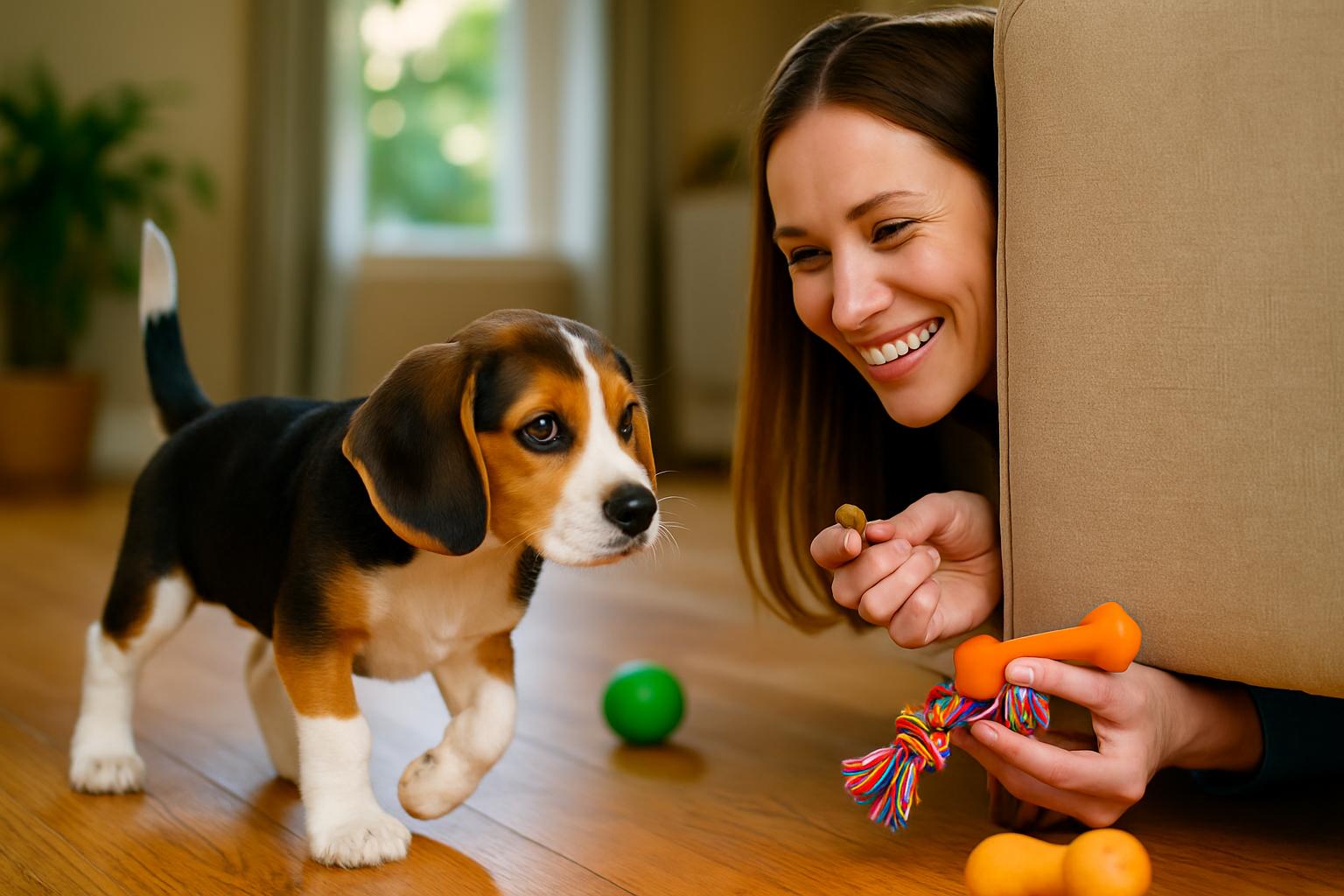
For effective object discrimination training, start with two or three toys that are very different. Vary their shape, texture, and function—for example, a crinkly flat toy, a smooth rubber ball, and a soft, squeaky plush.
The Science Behind It
This multisensory approach helps your dog build stronger neural pathways for identification. This method of canine enrichment leverages their natural exploratory behaviors, preventing boredom and making the positive reinforcement training session more engaging and successful.
Motivate Your Pup
Maximize Motivation
The Right Reward
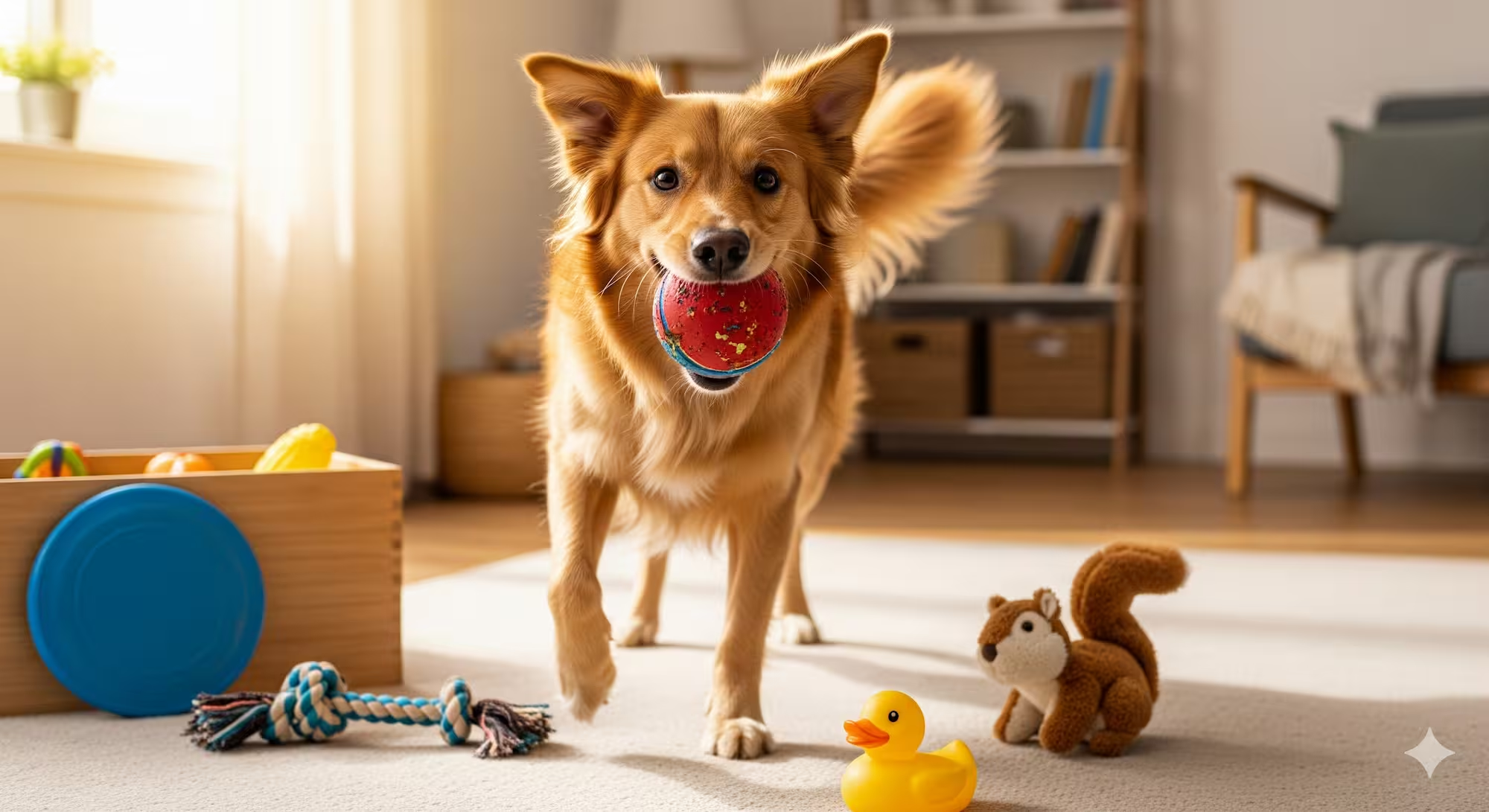
Utilize small, delicious treats that your dog absolutely loves. This high-value reward system is a cornerstone of operant conditioning, creating a powerful positive association with the training task.
Brain Chemistry of a Good Pup
The anticipation of a desirable reward triggers a dopamine release in your dog’s brain, which enhances focus and accelerates learning. This is a key principle for any successful dog training motivation strategy, ensuring your pup remains eager and focused on the commands.
Set the Scene
Optimize the Environment
Minimize Distractions
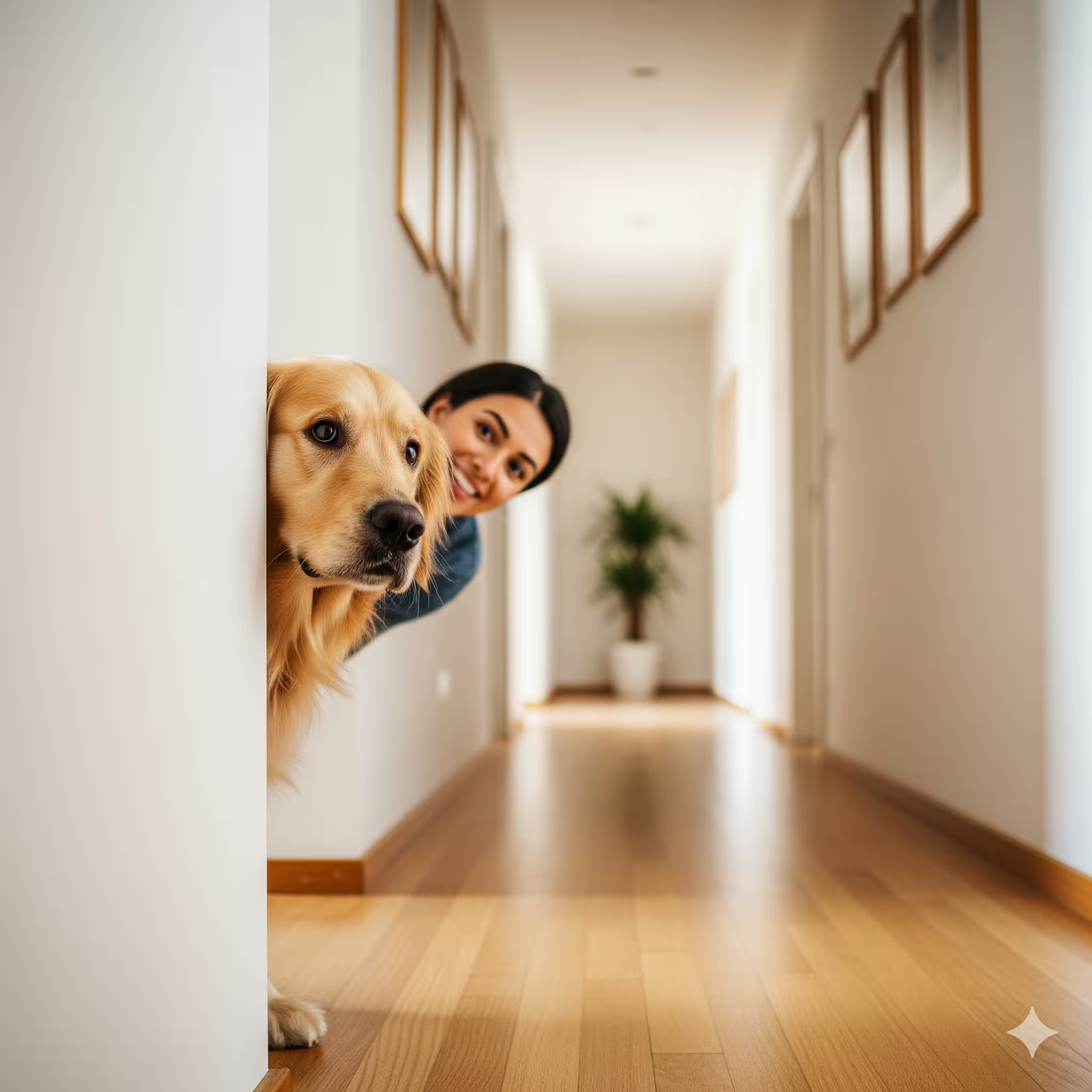
Begin your training sessions in a room with minimal distractions. A dog’s learning environment directly impacts their ability to process information. By reducing external stimuli, you lower your dog’s cognitive load.
Stress and Learning
This minimizes the risk of high cortisol levels, a stress hormone that can inhibit learning and memory retention. Creating a focused training session space allows your dog to concentrate fully on you and the task, leading to faster, more reliable results and a stronger bond.
Distinct Toys: Start with two or three toys that are very different in shape, texture, and function. For example, a crinkly flat toy, a smooth rubber ball, and a soft, squeaky plush.
High-Value Treats: Use small, delicious treats that your dog loves. This will keep them motivated and focused.
A Quiet Space: Begin your training sessions in a room with minimal distractions.
Step-by-Step Guide to Teach Your Dog to Find Toys by Name
Patience is key. Every dog learns at a different pace. Keep sessions short (5-10 minutes) and always end on a positive note. This is one of those canine enrichment activities that should feel like pure fun.
Step 1: Create a Strong Association
The first step is to link a specific name to a specific toy. Let’s say you’re starting with a green frog toy.
Hold the Toy: Sit with your dog and hold the frog.
Say the Name: In an upbeat, happy voice, say “Froggy!”
Mark and Reward: The instant your dog looks at, sniffs, or touches the frog, mark the behavior with a “Yes!” or a clicker, and give them a treat.
Repeat: Do this 5-10 times in a row. Then, put the frog away and take a short break.
Practice this with one toy for a few sessions until your dog consistently looks at or nudges the toy when you say its name. During this phase, it’s important that your pup understands gentle interaction. If you have a young puppy, you may notice they get overly excited and start nipping, a common behavior you can work to stop aggressive puppy biting with consistency and positive redirection.
Progressing the Game: How to Increase Training Difficulty
View Details
As your dog’s brain becomes more adept at the toy search game, it’s scientifically beneficial to increase the cognitive load gradually. This process, a form of canine cognitive enrichment, prevents boredom and strengthens their problem-solving skills. To make the game more challenging, you can begin to add more variables.
- Add More Toys: Slowly introduce a third, fourth, and eventually a fifth toy into the lineup. The principle of operant conditioning suggests you should only add a new toy once your dog is confidently and consistently discriminating between the existing ones. This ensures a high rate of success and keeps the dog engaged.
- Increase Distance and Complexity: Once they master a close-up lineup, start placing the toys further apart. Progress to different parts of the room, which challenges their memory and focus. This gradual increase in distance is a key technique in many forms of scent work and detection training.
Advanced Training: Scent Work and Cue Integration
View Details
Transitioning from visual selection to a cued search engages a different set of cognitive functions, including scent discrimination and auditory processing. This is where your dog’s training truly becomes advanced and practical.
- Introduce a “Find It” Cue: Once your dog reliably touches the correct toy, you can add a specific verbal cue. Say, “Find Froggy!” and gesture around the room to encourage a broader search pattern. This pairs the verbal command with the action, a cornerstone of classical conditioning.
- Utilize the “Stay” Command: For this advanced step, a reliable “stay” is immensely helpful from a behavioral standpoint. Asking your dog to wait while you hide the toy builds anticipation and, critically, impulse control. This momentary pause reinforces the ‘thinking’ part of the brain over the ‘reacting’ part. If you haven’t mastered it yet, teaching your puppy to ‘stay’ is an invaluable skill that enhances safety and focus in all sorts of training scenarios.
Step 2: Introduce a Second Toy
Once your dog knows “Froggy,” it’s time to add a second toy, like a blue ball.
Repeat Step 1: Go through the same association process with the new toy. Say “Bally,” and reward any interaction with it.
Place Both Toys Down: Place the frog and the ball a few feet apart on the floor.
Ask for One: Say “Get Froggy!” in an encouraging tone.
Reward Success: When your dog goes to the frog, shower them with praise and treats. If they go to the ball by mistake, don’t say anything. Simply pick up both toys, reset, and try again. Make it easier by placing the correct toy slightly closer to them.
This discrimination phase is crucial. You are teaching your dog to think and make a choice. This is where you really start to teach your dog to find toys by name and see their brain working.
Step 3: Increase the Difficulty
As your dog becomes more proficient, you can gradually make the game more challenging.
Add More Toys: Slowly introduce a third, fourth, and even fifth toy into the lineup. Only add a new toy once your dog is confidently discriminating between the existing ones.
Increase Distance: Place the toys further apart and eventually in different parts of the room.
Introduce a “Find It” Cue: Once they are reliably touching the correct toy, you can add a search cue. Say, “Find Froggy!” and gesture around the room.
For this advanced step, a good “stay” can be helpful. You can ask your dog to wait while you hide the toy, which builds anticipation and impulse control. If you haven’t mastered it yet, teaching your puppy to ‘stay’ is an invaluable skill for all sorts of training scenarios.
The Confidence Journey: A Puppy’s Progress
This interactive dashboard visualizes a puppy’s behavioral evolution. Use the buttons to change the bar graph and the slider to update the pie chart.
Baseline Shy Puppy
At the baseline, a shy puppy exhibits low scores across all metrics. Confidence is minimal, engagement with handlers is hesitant, and comfort in their environment is low. This stage highlights the need for positive, confidence-building exercises.
Step 4: Add a “Hiding” Element
The ultimate goal is a fun search game!
Start with Easy Hides: Ask your dog to stay or have someone hold them while you “hide” the toy in plain sight (e.g., behind a pillow on the floor).
Give the Cue: Release your dog and excitedly say, “Find Froggy!”
Help if Needed: If they struggle, walk them closer to the hiding spot to help them succeed.
Celebrate the Find: When they find it, have a mini-party! Praise them enthusiastically and give them a jackpot of treats or a quick game of tug with the toy they found.
This game is a wonderful way to build confidence, especially when introducing new people into their life. A confident dog is often more comfortable, which is a key part of learning how to socialize a shy puppy with strangers.
Troubleshooting and Tips for Success
My dog keeps picking the wrong toy! Make the choice easier. Go back to just two toys and place them far apart. Reward even the slightest glance toward the correct toy to rebuild momentum.
My dog isn’t interested. Are your treats exciting enough? Is the toy engaging? Make sure the session feels like a game, not a test. Keep your energy high and positive.
Can I play this with my kids? Absolutely! This is a fantastic and safe way for children and dogs to interact. It teaches children how to engage with the dog in a structured way, reinforcing the lessons on how to teach a puppy to be gentle with kids.
For dogs who need a designated spot to chill out between turns, a “place” command is perfect. It gives them a clear job to do while they wait. Learning how to teach your dog the ‘place’ command can be a game-changer for managing arousal during exciting activities.
This entire dog toy search process is a wonderful example of canine enrichment activities that do more than just burn physical energy. You are mentally tiring your dog out, which often leads to a calmer, more settled companion. For more ideas on engaging your dog’s brain, check out these other enrichment games.
By taking the time to teach your dog to find toys by name, you are investing in a smarter, happier, and more confident best friend.
The Psychology Behind the Fun
Teaching your dog to find toys by name is more than a clever party trick; it’s a powerful exercise that taps directly into core principles of canine psychology. This engaging activity provides essential mental stimulation for dogs and enriches their lives in several ways.
- Cognitive Enrichment: This game acts as a puzzle, challenging your dog’s brain to prevent boredom and reduce the likelihood of developing problem behaviors. Exploring canine cognitive abilities this way keeps their minds sharp and active.
- Associative Learning: At the heart of the dog learning process is association. Your dog learns to connect the sound of a word (like “ball”) with a specific object. This is a foundational element of how they understand our world.
- Positive Reinforcement: When your dog successfully finds the right toy, the resulting praise or treat is a powerful motivator. This use of positive reinforcement dog training makes learning a joyful and confidence-building experience.
- Strengthening the Bond: Interactive games like this are crucial for strengthening the human-animal bond. It builds a unique communication channel between you and your pup, fostering trust and mutual understanding.
From a behavioral science perspective, this training utilizes operant conditioning. The toy’s name acts as a discriminative stimulus—a cue that a specific behavior (finding that toy) will result in reinforcement (a reward).
This process improves your dog’s ability for object discrimination, a skill that showcases their impressive cognitive flexibility. By successfully making these choices, you are directly building a dog’s confidence in their problem-solving skills.

Christopher Quinn adopted his first dog, Loki, a spirited Border Collie/Jack Russell mix, after exiting Army service in the summer of 2012. That experience sparked a lifelong passion for canine behavior and positive reinforcement training.
He studied Principles of Dog Training & Behavior at Penn Foster and has since worked with hundreds of dogs from all backgrounds. Over the past two years, Christopher has fostered more than 30 rescue dogs, giving each one a chance at a better life.
Today, he continues to write, teach, and share insights on humane dog training, blending hands-on experience with a decade of dedicated study.